
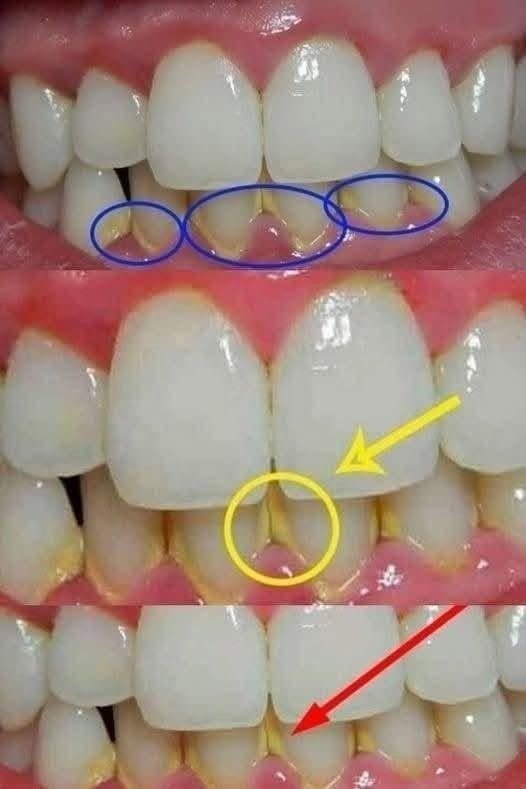
Let’s break this down honestly: what you can naturally and effectively do to manage soft plaque at home, and where the limits absolutely are.
The Critical Distinction: Plaque vs. Tartar
This is the most important thing to understand before attempting any remedy.
| Feature | Plaque (Soft Biofilm) | Tartar (Hardened Calculus) |
|---|---|---|
| What it is | A sticky, colorless film of bacteria and food particles constantly forming on teeth. | Plaque that has absorbed minerals from your saliva and hardened, like limescale in a pipe. |
| Texture | Soft, easily wiped off with a fingernail. | Rough, hard, porous, cement-like. |
| Can you remove it at home? | Yes. This is what brushing and flossing removes. | No. It is physically bonded to the enamel. Removing it requires professional scaling with sharp, precisely angled instruments. |
| Time to form | Forms constantly, within hours of cleaning. | Can begin to calcify in as little as 24-48 hours if plaque is not disturbed. |
The “5-Minute” Problem: You cannot dissolve a rock made of calcium phosphate that is fused to another rock (your tooth) using a kitchen ingredient without severely damaging the tooth underneath. Anything acidic enough to dissolve tartar will permanently etch and demineralize your healthy enamel, leading to severe sensitivity and cavities—a cure far worse than the disease.
What You CAN Do Naturally: Effective Plaque Disruption & Prevention
The true “natural” approach isn’t about a 5-minute miracle; it’s about creating an oral environment where pathogenic plaque bacteria cannot thrive and harden into tartar. This is a daily, mechanical process.
1. Oil Pulling (The Scientific Perspective)
This ancient Ayurvedic practice has modern research behind it for managing the soft biofilm.
-
How it Works: You swish 1 tablespoon of raw, organic coconut oil (high in lauric acid, an antimicrobial) in your mouth for 15-20 minutes. The oil’s viscosity and the mechanical action of swishing emulsify the fatty membranes of the bacteria in the plaque, pulling them loose.
-
What the Science Says: Studies show oil pulling significantly reduces Streptococcus mutans, the primary bacteria responsible for plaque formation and cavities. It reduces the total bacterial load. It does not remove existing hardened tartar.
-
The Method: Do it first thing in the morning on an empty stomach. Swish gently—if your jaw aches, you’re working too hard. Spit the oil into a trash can (not the sink, as it can clog pipes over time), then rinse with warm water and brush as normal. Twenty minutes, not five.
2. The Baking Soda “Polishing” Paste (Mechanical Micro-Abrasion)
Baking soda is the safest and most effective natural abrasive for disrupting plaque that is still in its soft, early-sticky phase. It does this not by dissolving but by mild mechanical polishing and pH change.
-
How it Works: Baking soda is alkaline, neutralizing the acids produced by plaque bacteria that erode enamel. Its microscopic, soft, round crystals polish the tooth surface, making it physically harder for the biofilm to re-attach.
-
Cautionary Method: Make a paste of baking soda with just enough water. Dip your toothbrush in it and brush gently for 2 minutes, focusing on the gumline and the backs of your lower front teeth (where tartar most commonly forms). Do not do this daily. Use it once or twice a week. Aggressive scrubbing with baking soda can abrade enamel and gum tissue over time. It cannot sandblast off cemented tartar.
3. The Real Game-Changer: The Plaque-Disclosing “Natural” Diet
Plaque bacteria feed exclusively on sugar and refined carbohydrates. Starving them is a perfectly natural intervention.
-
The Mechanism: Every time you eat sugar, the bacteria in the plaque produce acid for 20-40 minutes, which both breaks down the tooth and creates the sticky matrix that traps more bacteria. Reducing the frequency of eating and drinking anything sweet cuts off their fuel supply.
-
Crunchy “Detergent” Foods: Raw, fibrous fruits and vegetables like apples, carrots, celery, and radishes physically scrub the tooth surface as you chew and stimulate saliva flow. Saliva is your body’s own mineral-rich, remineralizing mouthwash.
An Honest Home “Tartar Softening” Routine (Not Removal)
While you cannot remove tartar, you can use a specific sequence to make the daily plaque biofilm easier to disrupt and to prevent its rapid buildup. Think of this as “dental hygiene for the microbiome.”
-
Step 1 (The Pre-Rinse): Mix 1/2 teaspoon of baking soda in a small cup of warm water. Swish for 30 seconds. This raises the pH of your mouth, creating an alkaline environment where acid-loving bacteria go dormant and the plaque becomes less adherent.
-
Step 2 (Floss First): Always floss before brushing. Flossing removes the soft plaque between teeth and below the gumline where the brush cannot reach. This exposes the interdental surfaces for the next step.
-
Step 3 (Brush with Clean Ingredients): Use a soft-bristled brush and a toothpaste free of sodium lauryl sulfate (SLS). SLS is a harsh detergent that can irritate gum tissue, causing microscopic sloughing where bacteria can enter. You can even brush with a mixture of coconut oil and a drop of food-grade peppermint oil.
-
Step 4 (The Finishing Rinse): A final rinse of cool water helps close the gum tissue and wash away dislodged particles. You can use a very diluted salt water rinse (a pinch of sea salt in a cup of water) for its mild astringent and antimicrobial effect on the gums.
When You Absolutely Must See a Dentist
You are trying to avoid the dentist, but please hear this: tartar below the gumline is the primary cause of periodontitis, which leads to irreversible bone loss and tooth loss. It cannot be seen or felt. If your gums bleed consistently when you brush or floss, or if you can feel a hard, rough layer at the base of your teeth with your tongue, that is calcified tartar. Leaving it there creates a protected reef for bacteria that will eventually destroy the ligament and bone holding your tooth in.
The goal of natural dentistry is not to replace professional scaling when it’s needed, but to practice such effective daily disruption of the soft biofilm that you minimize how frequently you require that professional intervention.