
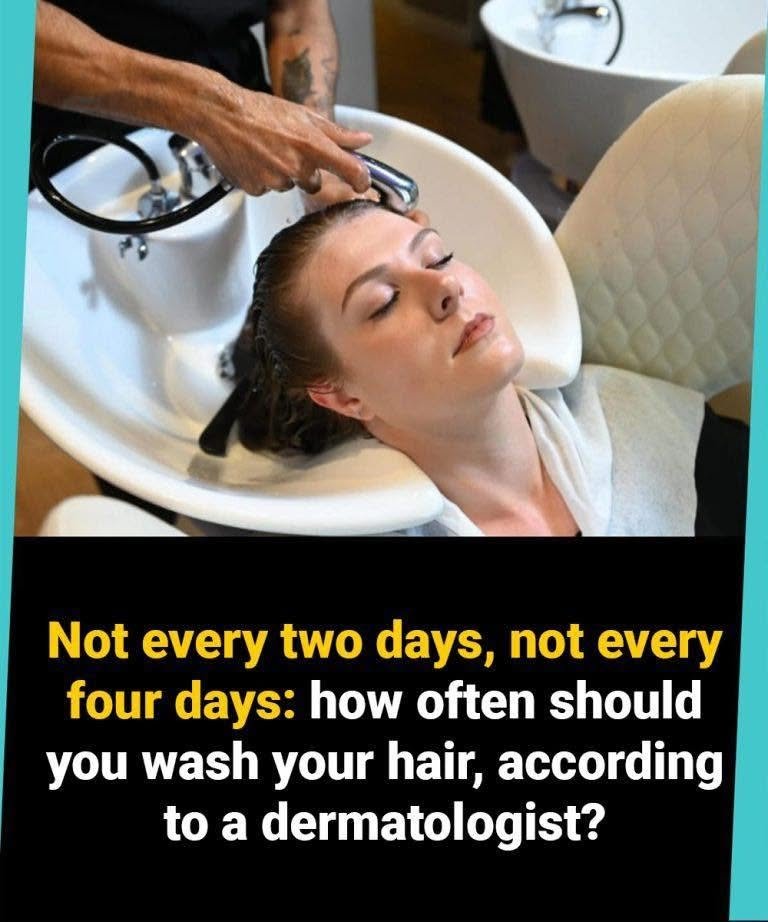
The question of how often to wash your hair doesn’t have a single, universal answer—and dermatologists are clear that there is no one-size-fits-all schedule. What works for one person may be entirely wrong for another, depending on scalp oil production, hair texture, age, and lifestyle.
🧴 General Guidelines by Hair Type
If you’re looking for a starting point, dermatologists generally recommend:
-
Fine or straight hair (with an oily scalp): You may need to wash daily or every other day. Sebum travels down straight strands quickly, making them look greasy faster.
-
Wavy or medium-textured hair: Washing every 2–3 days is often a good balance.
-
Curly, coily, or thick hair: Once a week or less is usually sufficient. The natural oils take longer to travel down the hair shaft, and over-washing can lead to dryness and breakage.
-
People of color: The Mayo Clinic specifically recommends shampooing once to twice a week, separated by a couple of days to avoid dryness.
🔍 The Best Rule: Listen to Your Scalp
Rather than counting days, dermatologists suggest paying attention to your scalp’s signals.
-
Signs you need to wash more often: Your scalp feels itchy, looks flaky, feels greasy by midday, or you’ve been relying heavily on dry shampoo. Product buildup, sweat, and excess oil can lead to dandruff or irritation if left too long.
-
Signs you might be overwashing: Your hair feels dry, brittle, or straw-like shortly after washing, or your scalp feels tight and irritated. This happens when you strip away too much of the natural sebum that protects your hair.
👴 Age Matters
Oil production decreases as you get older. Children and elderly people tend to produce less oil, so they often need to shampoo less frequently than teenagers or younger adults.
⚕️ When to See a Dermatologist
If you have persistent flaking, redness, itching, or pain that doesn’t improve with a adjusted wash schedule, it could be a sign of a condition like seborrheic dermatitis, psoriasis, or eczema. In that case, a dermatologist can recommend a medicated shampoo or treatment plan tailored to your needs.
Would you like help figuring out a routine based on your specific hair type?