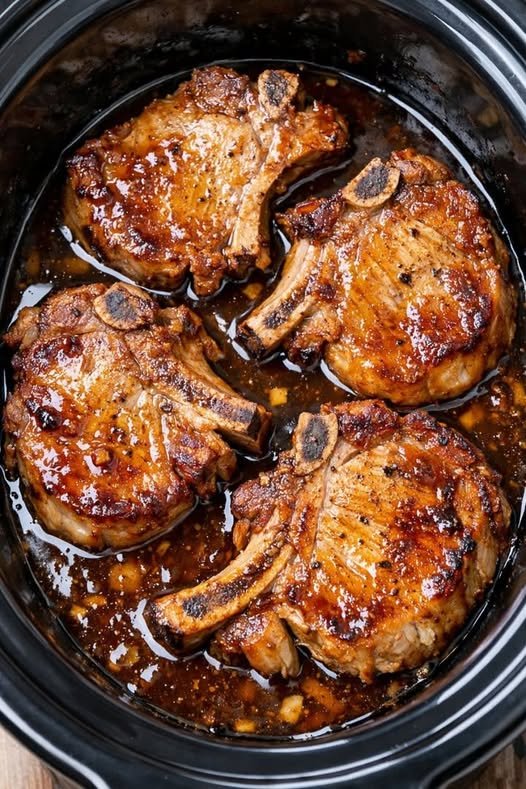
This recipe for Brown Ale Pork Chops is a fantastic way to turn simple pork chops into a rich, savory, and deeply flavorful meal. The brown ale adds a malty sweetness and depth that creates a wonderful pan sauce.
Brown Ale Pork Chops
This dish is elegant enough for company but easy enough for a weeknight dinner. The key is searing the chops for a golden crust and then building a simple, flavorful sauce in the same pan.
Ingredients
-
4 bone-in or thick-cut boneless pork chops (about 1-inch thick)
-
1 teaspoon salt
-
1/2 teaspoon black pepper
-
1/2 teaspoon garlic powder
-
1 tablespoon olive oil
-
2 tablespoons unsalted butter, divided
-
1 medium shallot, finely chopped (or 1/4 cup finely chopped onion)
-
1 cup brown ale (such as Newcastle Brown Ale or a similar malty brown ale)
-
1/2 cup chicken broth
-
1 teaspoon Dijon mustard
-
1 teaspoon brown sugar (optional, enhances the malty sweetness)
-
1 teaspoon fresh thyme leaves (or 1/2 teaspoon dried thyme)
-
1 tablespoon all-purpose flour (optional, for a thicker sauce)
Instructions
-
Prep the Pork Chops: Pat the pork chops completely dry with paper towels. This is essential for getting a good sear. In a small bowl, mix the salt, pepper, and garlic powder. Season both sides of the chops generously with the mixture.
-
Sear the Chops: Heat the olive oil and 1 tablespoon of the butter in a large skillet (preferably cast-iron or stainless steel) over medium-high heat. Once the butter is melted and the pan is hot, carefully place the pork chops in the skillet. Make sure not to overcrowd the pan; work in batches if necessary.
-
Cook for 4-5 minutes without moving them, until a deep golden-brown crust forms.
-
Flip the chops and cook for another 3-4 minutes, or until they reach an internal temperature of 145°F (63°C).
-
Transfer the cooked pork chops to a plate and tent loosely with foil to keep warm. Do not clean the pan.
-
-
Sauté the Aromatics: Reduce the heat to medium. Add the remaining 1 tablespoon of butter to the pan. Once melted, add the chopped shallot and cook for 1-2 minutes, until softened. Scrape up any browned bits (fond) from the bottom of the pan as the shallot cooks.
-
Deglaze with Ale: Carefully pour the brown ale into the pan. It will sizzle and bubble up. Use a wooden spoon or spatula to scrape up any remaining browned bits from the bottom of the pan. Let the ale simmer for 3-4 minutes, allowing it to reduce slightly and cook off some of the alcohol.
-
Finish the Sauce: Stir in the chicken broth, Dijon mustard, brown sugar (if using), and fresh thyme. Bring the sauce to a simmer and let it cook for 5-7 minutes, until it has reduced by about half and slightly thickened.
-
If you prefer a thicker, more gravy-like sauce: In a small bowl, mix the 1 tablespoon of flour with 2 tablespoons of water to form a slurry. While whisking the sauce constantly, slowly pour in the slurry. Simmer for another minute until the sauce thickens.
-
Taste the sauce and adjust seasoning with salt and pepper if needed.
-
-
Return Chops to Pan: Reduce the heat to low. Return the pork chops and any accumulated juices from the plate back to the skillet. Spoon the sauce over the chops to coat them. Let them warm through in the sauce for 1-2 minutes.
-
Serve: Serve the pork chops hot with plenty of the brown ale sauce spooned over the top. They pair wonderfully with mashed potatoes, egg noodles, or roasted vegetables to soak up all that delicious sauce.
Tips for Success
-
Choose the Right Beer: A brown ale is ideal for its malty, slightly sweet, and nutty flavor profile. It’s not too bitter. Good options include Newcastle Brown Ale, Smuttynose Old Brown Dog Ale, or any American brown ale. Avoid IPAs, as their bitterness can throw off the sauce.
-
Don’t Overcook the Pork: Pork chops can go from juicy to dry very quickly. Using a meat thermometer is the best way to ensure they are perfectly cooked at 145°F (63°F). Letting them rest under foil is also crucial for retaining their juices.
-
A Hot Pan is Key: Make sure your pan is hot enough before adding the chops. They should sizzle immediately upon contact. This creates the flavorful crust and prevents them from sticking.