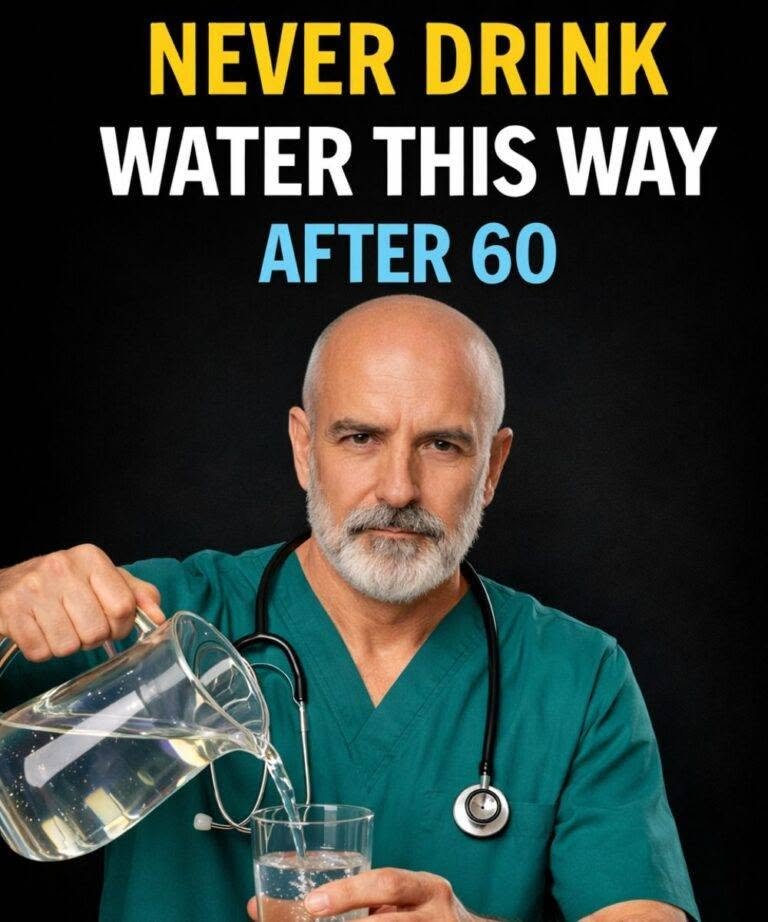
As we age, particularly past 60, the body’s thirst mechanism becomes less reliable, and the heart works within tighter margins of hydration. Drinking water correctly becomes less about just quenching thirst and more about strategically supporting cardiovascular function.
Here is what cardiologists and geriatric specialists advise about the correct way to drink water after 60 to protect your heart, broken down by the key principles.
The Core Principles of Hydration for an Aging Heart
1. The Golden Rule: Sip, Don’t Chug
This is the single most critical piece of advice.
-
The Science: When you gulp a large glass of water quickly, you suddenly increase the blood volume inside your circulatory system. For a healthy heart, this is a minor adjustment. For a heart over 60—especially one with undiagnosed diastolic dysfunction (stiffening of the heart muscle, common with age) or early-stage heart failure—this sudden volume load can temporarily overwhelm the heart, leading to fluid backup and shortness of breath.
-
The Correct Way: Take small, frequent sips throughout the entire day. Think of watering a plant gently, not flooding it. Your goal is steady, consistent hydration that your kidneys and heart can handle effortlessly.
2. Don’t Wait for Thirst—It’s a Late Signal
After 60, the sensation of thirst is naturally blunted. By the time you feel thirsty, you may already be 2-3% dehydrated.
-
The Cardiovascular Consequence: Dehydration makes the blood thicker and more viscous. This forces your heart to work much harder to pump this sludge-like blood through your arteries, which can spike blood pressure and increase the risk of a cardiac event.
-
The Correct Way: Hydrate by schedule, not by sensation. Keep a water bottle or a measured pitcher visible as a constant visual cue. Better to prevent thirst than respond to it.
3. Time Your Water for Maximum Heart Benefit
When you drink is almost as important as how you drink.
-
Immediately Upon Waking: Your body is most dehydrated after a night’s sleep. Drink 1 glass (6-8 oz) of room-temperature water shortly after waking. This helps lower the naturally elevated morning blood viscosity—the “morning surge” that is a peak time for heart attacks and strokes.
-
30 Minutes Before Meals: A glass of water before eating aids digestion without excessively diluting stomach acid. Importantly, it also prevents overloading the heart with the combined demand of digesting a large meal and processing a large volume of water at the same time.
-
Not With Meals (or Only Tiny Sips): Avoid drinking large amounts during your meal. Digestion diverts significant blood flow to the gut. Adding a large fluid load on top of this is another way to overtax the heart. If needed, take only small sips to help swallow.
-
Taper Down Before Bed: Stop drinking large amounts 1-2 hours before you go to sleep. This prevents nighttime bathroom trips that disrupt sleep (critical for heart health) and avoids waking up with a full bladder, which can cause a sudden drop in blood pressure upon standing.
4. Temperature Matters: Avoid Ice-Cold Water
This is a specific, evidence-backed warning for the over-60 heart.
-
The Science: Drinking very cold water can stimulate the vagus nerve, which runs from the brain to the abdomen. A sudden blast of cold in the esophagus can trigger a vagal response, temporarily slowing the heart rate (bradycardia) or, in susceptible individuals with underlying coronary artery disease, even provoking esophageal spasm that mimics cardiac chest pain. While not a danger to everyone, room temperature or slightly warm water is the safer, gentler choice.
-
The Correct Way: Room temperature or lukewarm water is ideal. It’s absorbed faster and doesn’t present a temperature shock to your system.
How Much? A Personalized Target, Not a Generic Rule
Forget the rigid “8 glasses a day” rule for everyone. Over 60, the target is highly individual.
-
The Baseline Guideline: A general target is often 1.5 to 2 liters (50-67 oz) of total fluid per day from all beverages and high-water foods, but this must be personalized.
-
The Urine Color Test: This is your best at-home gauge. Pale straw or light lemonade color indicates optimal hydration. Dark yellow urine means you need more water. Completely clear urine means you may be drinking too much, too fast.
-
CRITICAL: The Heart Failure Exception: If you have been diagnosed with congestive heart failure (CHF) , your cardiologist has likely placed you on a specific, restricted daily fluid limit (often 1.5-2 liters total). You must follow that limit strictly. Drinking above it can lead to fluid buildup in the lungs (pulmonary edema)—a life-threatening emergency. Drinking too much with CHF is far more immediately dangerous than being slightly dehydrated.
Disclaimer: This information is for educational purposes and does not constitute medical advice. Any changes to your fluid intake, especially if you have a heart condition, kidney disease, or are on diuretics, must be discussed with your cardiologist or primary care physician.