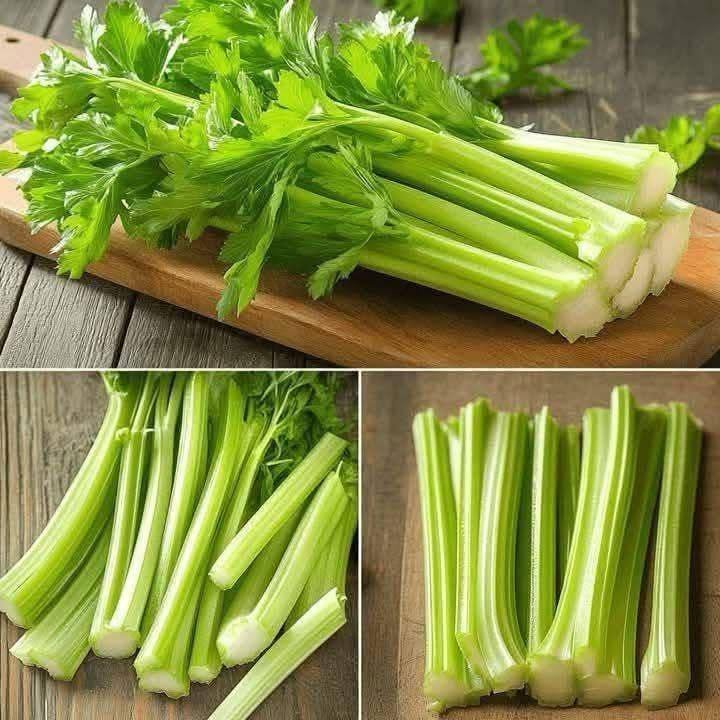
Celery: A Refreshing Ally for Liver Health
Celery is more than just a crunchy, low-calorie snack. It’s a hydrating, nutrient-dense vegetable with specific compounds that can support the body’s natural detoxification processes, including liver health. Here’s a science-based look at how celery acts as a supportive cleanse for your liver.
How Celery Supports Liver Function & “Cleansing”
1. Rich in Apigenin & Luteolin
These are powerful flavonoids (antioxidants) found in celery. Studies suggest they help protect liver cells from oxidative stress and inflammation, which are key factors in liver damage. Apigenin, in particular, has been shown in preliminary research to support the regeneration of healthy liver tissue.
2. Natural Diuretic & Electrolyte Balance
Celery is about 95% water and contains key electrolytes like potassium, sodium, and magnesium. This makes it a gentle, natural diuretic, promoting the elimination of waste and excess fluids through urine. This helps the liver by reducing its overall toxic load.
3. Contains Coumarins
Celery contains compounds called coumarins, which studies indicate may help enhance the activity of certain liver enzymes and improve blood flow. This can support the liver’s primary job: filtering toxins from the bloodstream.
4. Anti-inflammatory Powerhouse
Chronic inflammation is a primary driver of fatty liver disease (NAFLD). Celery’s unique antioxidants, like polyacetylene, help reduce systemic inflammation, taking pressure off the liver.
5. High in Dietary Fiber
The fiber in celery binds to excess cholesterol and toxins in the gut, helping to escort them out of the body. This “second pass” cleanup supports the liver’s detox pathways.
Important Clarification on “Cleansing”
The term “cleanse” can be misleading. Celery does not magically flush toxins. Instead, it:
-
Supports the liver’s own sophisticated detoxification systems.
-
Protects liver cells from daily damage.
-
Provides essential nutrients that the liver needs to perform its 500+ functions.
The liver cleanses itself. We provide the tools (like celery) to help it work optimally.
How to Incorporate Celery for Maximum Liver Benefit
1. Celery Juice (Most Popular Method)
-
How: Juice 1 large bunch of celery (about 9-10 stalks) on an empty stomach in the morning.
-
Why: Provides a concentrated dose of bioactive compounds without fiber, allowing for quick absorption.
-
Note: This is a supplement, not a meal replacement.
2. Whole Stalks as a Daily Snack
-
How: Eat 2-4 raw stalks daily, ideally with a healthy fat (like nut butter or avocado) to absorb fat-soluble nutrients.
-
Why: Provides full fiber, which is crucial for gut-liver health.
3. Celery-Infused Water
-
How: Add 2-3 chopped stalks to a large pitcher of water. Refrigerate overnight.
-
Why: Gentle, hydrating, and perfect for sipping throughout the day.
4. Add to Smoothies & Soups
-
How: Chop and blend into green smoothies or simmer in broths and soups.
-
Why: An easy way to increase daily intake without a strong flavor.
Sample “Liver-Supportive” Celery Routine
-
Morning: Start with 8-16 oz of fresh celery juice on an empty stomach. Wait 20-30 minutes before eating.
-
Mid-Morning/Afternoon Snack: Munch on 2-3 raw stalks with almond butter.
-
Meals: Add chopped celery to salads, stir-fries, and soups.
Critical Safety & Balance Notes
⚠️ Celery is a support, not a cure. It cannot reverse serious liver conditions like cirrhosis, hepatitis, or advanced fatty liver disease. These require medical treatment.
⚠️ Drug Interaction Warning: Celery, in very large, concentrated amounts (like daily juicing), may interact with:
-
Blood thinners (warfarin/Coumadin) due to its Vitamin K content.
-
Thyroid medications (theoretical concern due to goitrogens, but risk is low with normal consumption).
-
Diuretics or lithium. Consult your doctor.
⚠️ Balance is Key: Do not replace a balanced diet with only celery. Pair it with other liver-loving foods: beets, leafy greens, cruciferous vegetables (broccoli, cauliflower), berries, and fatty fish.
The Bottom Line: Celery is a fantastic, evidence-backed supporting actor in liver health. Its antioxidants, anti-inflammatory compounds, and hydrating properties make it a simple, powerful addition to a balanced, nutrient-rich diet aimed at overall wellness and detoxification support.
For any existing liver condition, always consult with a hepatologist or registered dietitian before making significant dietary changes.