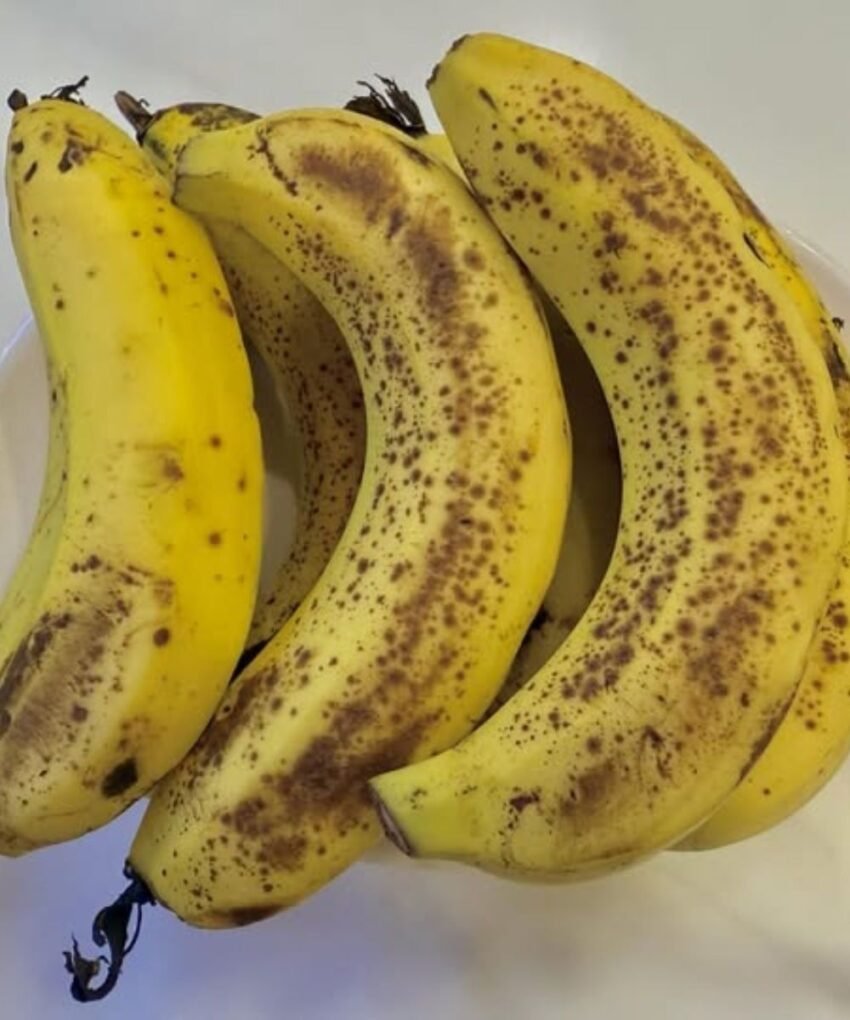
What Doctors Reveal: The Potential Downsides
The concerns about eating bananas at night usually center around three main components: sugar, melatonin, and mucus production.
1. The Sugar and Energy Debate
-
The Theory: Bananas are a source of natural sugars (fructose and glucose) and carbohydrates. For some people, consuming this right before bed can cause a spike in blood sugar followed by a crash. This fluctuation can interfere with the body’s ability to transition into a deep, restorative sleep.
-
The Doctor’s Take: For most healthy individuals, the sugar in one banana is unlikely to cause a significant disturbance. However, for those with insulin resistance or diabetes, eating a banana close to bedtime might lead to blood sugar instability that disrupts sleep.
2. The Melatonin and Tryptophan Connection (The “Sleep Aid” Argument)
-
The Theory: This is the opposing view. Bananas actually contain tryptophan (an amino acid the body converts to serotonin and then to the sleep hormone melatonin) and magnesium, which is a natural muscle relaxant.
-
The Doctor’s Take: Many doctors point out that these components could actually aid sleep. The key is timing and portion size. A small banana an hour or so before bed might promote drowsiness, while a large one right before lying down might cause digestive issues.
3. The Mucus and Congestion Concern (Ayurvedic Perspective)
-
The Theory: In Ayurveda (traditional Indian medicine), bananas are considered “cold” and heavy. Eating them at night is thought to increase mucus and kapha, potentially leading to congestion, cough, or a stuffy nose, which can disturb sleep.
-
The Doctor’s Take: While modern Western medicine doesn’t have strong data to support the “mucus theory,” it acknowledges that if an individual is prone to acid reflux or post-nasal drip, the density of a banana might exacerbate those symptoms when lying down.
4. Digestive Discomfort
-
The Theory: Bananas are filling and take time to digest. Eating one immediately before bed forces your digestive system to work while you’re trying to sleep.
-
The Doctor’s Take: This is the most practical concern. Going to bed on a very full stomach can lead to bloating, indigestion, or heartburn, which definitely interferes with sleep quality.
The Verdict: Is it Good or Bad?
The answer depends entirely on who you are.
It Might Be a Bad Idea If:
-
You have diabetes or blood sugar regulation issues.
-
You are prone to acid reflux or heartburn.
-
You have a cough, cold, or congestion (as the banana might thicken mucus for some).
-
You eat it immediately before lying down.
It Might Be a Good Idea If:
-
You are a healthy individual who wants a light, satisfying snack an hour before bed.
-
You suffer from muscle cramps (the magnesium and potassium can help prevent these).
-
You struggle to fall asleep due to hunger; a banana can top you off without being too heavy.
The Best Way to Eat a Banana at Night (If You Choose To)
If you decide to have a banana in the evening, doctors and nutritionists suggest following these guidelines to minimize any negative effects:
-
Timing is Everything: Eat the banana at least one hour before you plan to go to sleep, not right when you get into bed.
-
Pair It: Don’t eat it alone. Pairing the banana with a source of healthy fat or protein (like a few almonds or a spoonful of peanut butter) can help stabilize blood sugar and make it more satiating.
-
Watch the Portion: Stick to one small or medium banana. A large, overripe banana will have a higher sugar content.
-
Avoid if Congested: If you feel a cold coming on, it might be wise to skip the banana at night.