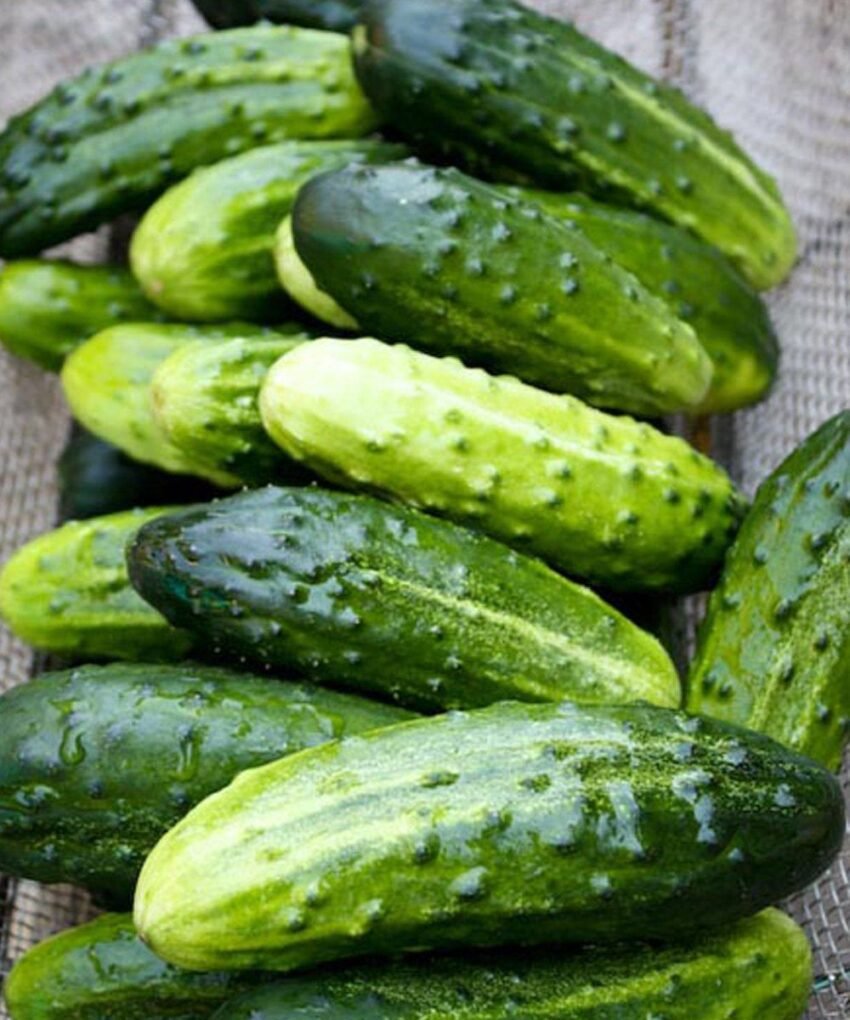
Here is a breakdown of what doctors and health experts have revealed about potential downsides of eating cucumbers in salads:
1. The “Salad” Factor: The Fat-Soluble Vitamin Trap
This is the most common concern doctors point out regarding cucumbers in salads.
-
The Issue: Cucumbers are composed of about 96% water and contain very little fat. However, they contain small amounts of Vitamin K and Vitamin A, which are fat-soluble (meaning your body needs fat to absorb them).
-
The “Revelation”: If you make a salad consisting entirely of cucumbers and other raw veggies with a fat-free dressing, your body may not absorb the vitamins effectively. You are essentially eating “empty” nutrition.
-
The Fix: Doctors and nutritionists reveal that you should always pair cucumbers with a healthy fat (like olive oil in the dressing, avocado, or cheese) to unlock their nutritional value.
2. Digestive Distress for Some
Cucumbers contain a compound called cucurbitacin, which can cause issues for sensitive individuals.
-
The Issue: For most people, this is harmless, but for some, it can cause severe indigestion, bloating, or gas.
-
The “Revelation”: If you notice you feel bloated after eating a cucumber salad, the bitterness in the skin (where cucurbitacin is concentrated) might be the culprit. Modern farming has largely bred this out, but some cucumbers still have it.
-
The Fix: Peeling the cucumber and salting the slices (then rinsing them) can help draw out some of the compounds that cause gas.
3. Pesticide Residue (The “Dirty Dozen”)
While not a “health effect” of the cucumber itself, doctors and environmental scientists warn about what comes with the cucumber.
-
The Issue: Cucumbers frequently appear on the Environmental Working Group’s “Dirty Dozen” list, meaning they often carry significant pesticide residues if not grown organically.
-
The “Revelation”: Eating the skin (which is the most nutritious part) could mean ingesting these chemicals.
-
The Fix: If you are concerned about pesticides, buy organic cucumbers or wash them thoroughly with a vegetable brush, as the waxy skin can trap residues.
4. The Blood Thicker Warning (Vitamin K)
This is a specific medical warning, not a general health one.
-
The Issue: Cucumbers contain Vitamin K, which promotes blood clotting.
-
The “Revelation”: For people taking blood-thinning medications like Warfarin (Coumadin) , suddenly increasing your intake of cucumber salad can interfere with the medication’s effectiveness.
-
The Fix: Doctors advise patients on blood thinners to keep their intake of Vitamin K-rich foods (like cucumbers and leafy greens) consistent. Don’t go from eating none to eating a huge salad every day without telling your doctor.
5. The “Nightshade” Confusion (A Myth)
Sometimes cucumbers get lumped in with nightshades (like tomatoes and peppers) which can cause inflammation for some people.
-
The Truth: Botanically, cucumbers are not nightshades. However, some people with severe autoimmune issues report feeling better cutting them out, but this is not a medically proven reaction for the general population.
Summary: Are they bad?
No. For the vast majority of people, cucumbers are hydrating, low-calorie, and contain antioxidants.
-
The real “revelation” is that you need to add a healthy fat to your salad to absorb the vitamins, and if you are on blood thinners, you need to be mindful of your intake.
Disclaimer: I am an AI, not a doctor. If you have specific health conditions or concerns about your diet, please consult a medical professional.