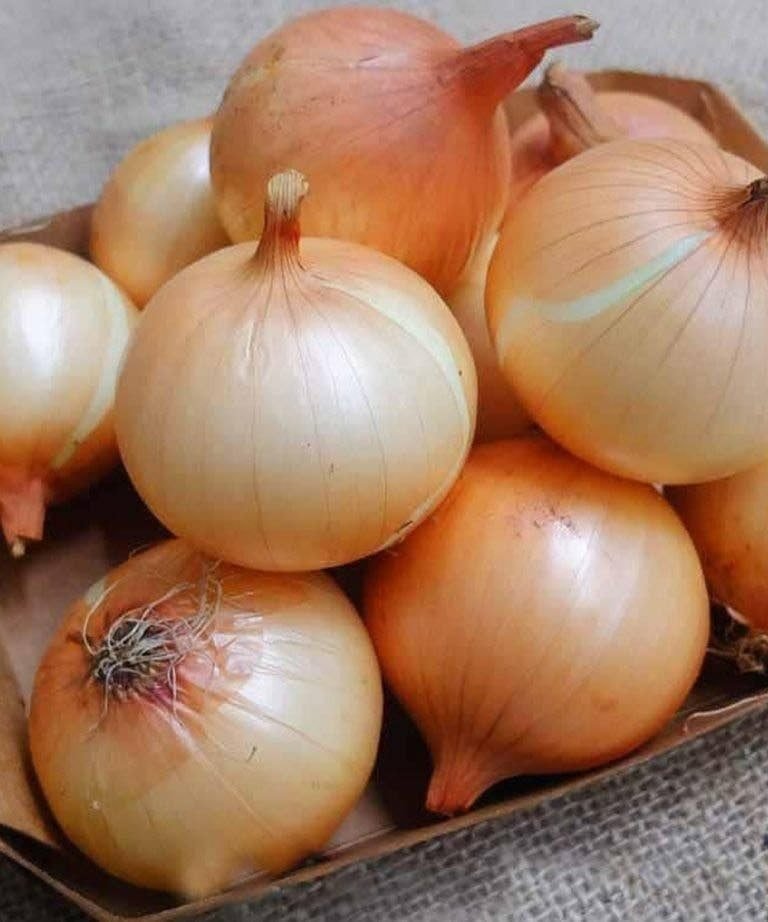
Doctors and nutrition experts clarify: Eating onions in normal food amounts is generally very healthy for most people and is widely recommended as part of a balanced diet.
Here’s a balanced, evidence-based look at what onions can and can’t do — and who might need to be cautious.
✅ What Onions Are Known to Support (Health Benefits)
-
Rich in Antioxidants & Anti-Inflammatory Compounds
-
Onions contain quercetin, sulfur compounds, and vitamin C, which can help reduce inflammation and oxidative stress.
-
-
May Support Heart Health
-
Studies suggest regular consumption may help lower blood pressure and improve cholesterol levels.
-
-
Good for Gut Health
-
Onions are a source of prebiotic fiber (inulin), which feeds beneficial gut bacteria.
-
-
Potential Blood Sugar Regulation
-
Some research indicates onion compounds may have mild blood-sugar-lowering effects.
-
-
Antimicrobial Properties
-
Historically used for immune support; onion extracts show antibacterial effects in lab studies.
-
⚠️ Potential Downsides (For Some People)
-
Digestive Discomfort
-
Onions contain FODMAPs (fermentable carbs) that can cause gas, bloating, or abdominal pain in people with IBS or sensitive digestion.
-
-
Heartburn or GERD Trigger
-
For some, raw onions may worsen acid reflux symptoms.
-
-
Allergy or Intolerance
-
Rare, but onion allergy or intolerance can cause skin, digestive, or respiratory reactions.
-
-
Interaction with Blood Thinners
-
Large amounts could potentially interact with anticoagulant medications like warfarin due to vitamin K content — though this is generally not a concern with normal dietary intake.
-
❌ What Onions Do NOT Cause (Debunking Myths)
-
Toxicity in normal amounts — They are safe to eat daily as part of meals.
-
“Poisoning” the blood — An old myth without scientific backing.
-
Severe organ damage — No credible evidence.
🧅 Who Might Need to Limit Onions?
-
People diagnosed with IBS or on a low-FODMAP diet.
-
Those with severe GERD that worsens with onion consumption.
-
Anyone with a confirmed onion allergy (rare but possible).
-
People about to undergo surgery (sometimes advised to avoid strong-smelling foods).
✅ Doctor-Recommended Intake
-
For most people, ½ to 1 onion daily (cooked or raw, as part of varied meals) is healthy.
-
Cooking onions can make them easier to digest for some.
-
Always wash onions before use to remove surface dirt and bacteria.
🩺 Bottom Line
Onions are a nutrient-dense, flavorful vegetable with more benefits than risks for the general population. If you have digestive issues or specific health conditions, talk to a doctor or dietitian — but there’s no need for most people to avoid onions based on viral claims or fear.
As with many foods, balance and personal tolerance matter most.