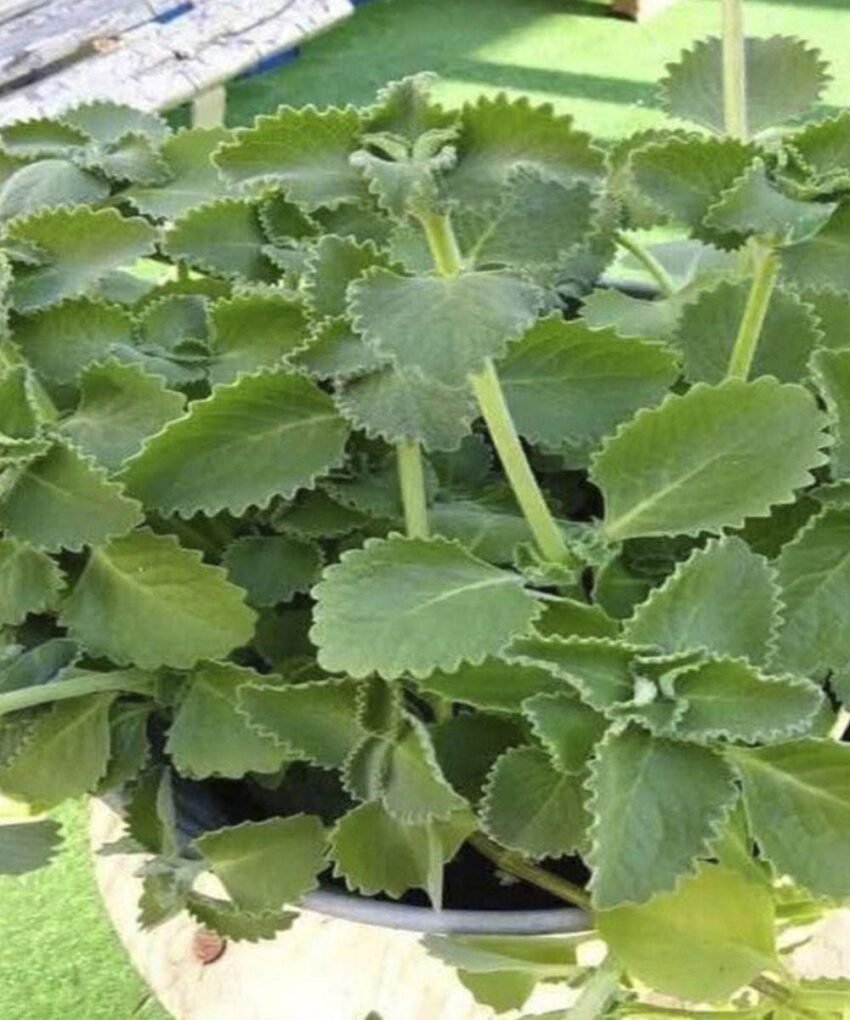
It’s important to approach claims like “Doctors reveal that eating oregano causes…” with caution. Oregano is widely recognized as a safe and healthy culinary herb when used in typical food amounts. However, like many substances, it can have specific effects, risks, and interactions in certain contexts.
Here’s a balanced, evidence-based overview of what medical and nutritional science says about oregano.
1. The Proven BENEFITS of Oregano (Why It’s Generally Healthy)
-
Antioxidant & Anti-inflammatory: Rich in compounds like carvacrol and thymol, which fight oxidative stress.
-
Antimicrobial Properties: Shown in lab studies to have activity against various bacteria, fungi, and parasites. (This does not mean it can cure infections in the body; it’s a supportive nutrient, not a replacement for antibiotics.)
-
Nutrient-Dense: Provides vitamin K, manganese, iron, fiber, and other micronutrients.
-
Digestive Aid: Traditionally used to help soothe indigestion and bloating.
2. Potential Side Effects & “Causes” of Concern (Context is Key)
The issues arise primarily with oregano oil (a highly concentrated supplement) or with excessive consumption of the herb itself.
-
Blood Thinning: Oregano contains vitamin K and compounds that may have mild anticoagulant effects. This could potentially interfere with blood-thinning medications like warfarin (Coumadin).
-
Hypoglycemia Risk: It may lower blood sugar levels. For people with diabetes on medication, this could theoretically cause blood sugar to drop too low.
-
Allergic Reactions: Possible in individuals allergic to plants in the Lamiaceae family (mint, basil, lavender).
-
Digestive Upset: In large amounts, it can cause stomach discomfort.
-
Pregnancy & Breastfeeding: Oregano oil is likely unsafe in pregnancy as it may stimulate menstrual flow and pose a risk. Culinary amounts of the dried herb are generally considered safe, but high medicinal doses should be avoided.
-
Iron Absorption: Very high amounts may chelate (bind to) iron, potentially reducing its absorption.
3. The Critical Distinction: Herb vs. Oil
This is the most important point often missing from sensational headlines.
-
Culinary Oregano (Dried/Fresh Leaf): Extremely safe for almost everyone when used as a seasoning. You would need to consume implausibly large quantities to experience adverse effects.
-
Oregano Oil (Supplemental): This is a highly concentrated extract. It is potent and should be used with caution, under the guidance of a healthcare provider, especially for children, pregnant women, and those on medications.
What “Doctors Reveal” Likely Refers To:
Sensational headlines often take a narrow, potential risk (e.g., “oregano oil may interact with blood thinners”) and present it as a general, scary warning about the common herb. This is misleading.
Bottom Line & Doctor’s Advice:
-
For the vast majority of people, adding oregano to pizza, pasta sauces, and salads is perfectly healthy and beneficial.
-
If you are taking prescription medications (especially for blood clotting, diabetes, or lithium), have a scheduled surgery, or are pregnant, it’s prudent to discuss significant dietary changes or the use of oregano supplements with your doctor.
-
Treat oregano oil as a supplement, not a food. Do not ingest it undiluted, and do not take it medicinally without professional advice.
Final Takeaway: Enjoy oregano as a flavorful part of a balanced diet. Be skeptical of headlines that claim common, well-studied herbs “cause” harm without providing crucial context about dosage, form, and individual health status. Always consult your physician or a registered dietitian for personalized advice.