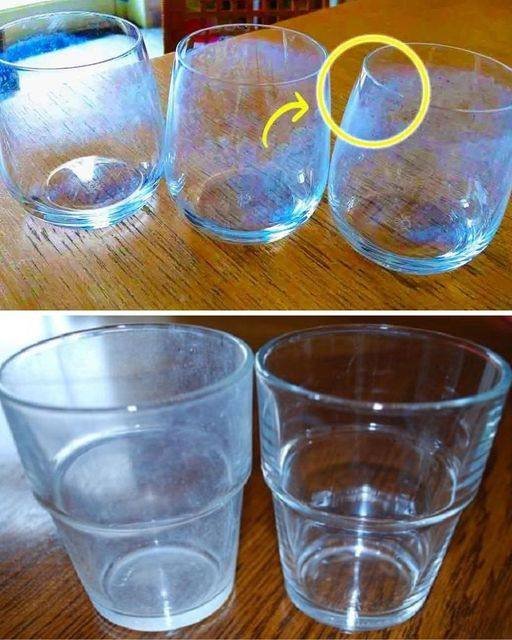
That white, cloudy film (often a mineral deposit or “hard water patina”) is a common frustration. The good news is that it’s usually removable with the right method.
The “Cool Trick”: Vinegar & Baking Soda Paste (Not for Drinking Glasses!)
This is a fantastic, non-abrasive method for glassware NOT used for food or drink, like vases, decorative glass, or glass shower doors. Do not use this on drinking glasses, plates, or cookware as baking soda can be mildly abrasive and vinegar can damage certain finishes.
-
Make the Paste: In a small bowl, mix white vinegar and baking soda to form a thick, spreadable paste. The chemical reaction (fizzing) helps break down mineral bonds.
-
Apply: Using a soft cloth or a non-scratch sponge, gently rub the paste onto the cloudy areas.
-
Let it Sit: Allow it to sit for 5-10 minutes.
-
Scrub & Rinse: Gently scrub in a circular motion, then rinse thoroughly with warm water. Dry with a microfiber cloth.
For Drinking Glasses, Dishware, and Cookware: The SAFE, Professional Method
The safest, most effective method for glasses you eat and drink from is to use citric acid or white vinegar in a soak.
Method 1: Citric Acid Soak (Most Effective & Odorless)
Citric acid is a weak organic acid that chelates (binds to) calcium and magnesium ions, dissolving them away without odor or potential for etching that stronger acids pose.
-
Ingredients: 1-2 tablespoons of food-grade citric acid powder (found in canning sections or online) per gallon of very warm water.
-
Instructions:
-
Fill a sink or large basin with the warm water and dissolve the citric acid.
-
Submerge the cloudy glasses completely. Let them soak for 30-60 minutes, or even overnight for severe cloudiness.
-
Wash as normal with dish soap, rinse, and dry. The cloudiness should be gone.
-
Method 2: White Vinegar Soak (The Common Household Solution)
-
Ingredients: Equal parts white distilled vinegar and warm water.
-
Instructions:
-
Submerge glasses in the vinegar solution for 15-30 minutes.
-
Remove and wash thoroughly with dish soap and a non-abrasive sponge to remove any vinegar smell/taste. Rinse well.
-
What Causes the White Patina?
Understanding the cause helps prevent it:
-
Hard Water Deposits (Limescale): The most common cause. Minerals (calcium & magnesium) from water build up over time, especially with heat (dishwasher drying cycle).
-
Detergent or Soap Film: Using too much detergent or rinse aid, or a poor-quality detergent, can leave a residue.
-
Etching (Permanent): This is not a deposit, but actual physical damage to the glass surface caused by a combination of very hot water, harsh detergent, and soft glass. Etching is permanent and cannot be removed. If the cloudiness feels rough or looks iridescent, it may be etched.
How to Prevent Cloudy Glasses
-
Use a Rinse Aid: In your dishwasher, a rinse aid is essential. It lowers water’s surface tension, preventing droplets (and the minerals in them) from drying onto the glass.
-
Use Less Detergent: More detergent doesn’t mean cleaner. Excess soap can create a film. Use the minimum recommended amount.
-
Dry Immediately: Hand-wash with hot water and dry glasses immediately with a lint-free towel instead of air-drying.
-
Use a Water Softener: If you have very hard water, a whole-house softener or an in-dishwasher softening salt system can solve the root problem.
-
Vinegar Rinse: Occasionally, run an empty dishwasher on a hot cycle with a cup of white vinegar in a bowl on the top rack to clean the machine and rinse away mineral buildup.
Quick Diagnostic:
-
Does the cloudiness wipe off with vinegar? It’s mineral deposits (fixable).
-
Does it feel slick or filmy? It’s likely soap residue (wash with less soap).
-
Does it feel rough, scratchy, or look rainbow-hued? It’s likely etching (permanent).
Bottom Line: For drinking glasses, the citric acid soak is your most effective, safest bet. For decorative items, the vinegar-baking soda paste trick works wonders.