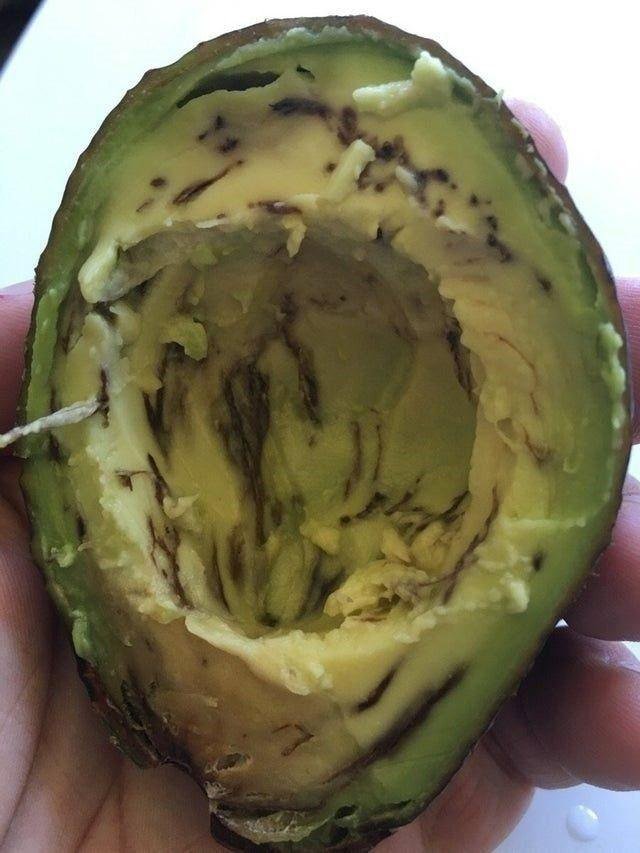
It’s a great question! Unlike a “best by” date, knowing if an avocado is safe to eat—and at its best quality—relies on touch, sight, and smell. Here is a simple guide to check for ripeness and, more importantly, safety.
1. Is it just unripe, or is it bad?
First, determine if the avocado is simply not ready yet, or if it has spoiled.
-
Unripe (Not Ready): The skin is bright green, and the avocado is very hard with no give when squeezed. It will feel dense and heavy. Verdict: Safe, but not pleasant to eat. Let it ripen on the counter for a few days.
-
Ripe (Ready): The skin is typically darker (though this varies by variety, like Hass vs. Fuerte). It yields to gentle pressure when squeezed—similar to pressing the palm of your hand near your thumb. Verdict: Safe and perfect to eat.
-
Overripe (Still Safe, but maybe mushy): The skin looks very dark, almost black. The avocado feels soft or even a bit “cushiony” when squeezed. There may be some minor sunken spots. Verdict: Safe as long as there is no foul smell or mold. It might have some brown spots inside (see below), but it’s fine for mashing into guacamole.
2. The Safety Checklist (When to Throw It Away)
If your avocado shows any of these signs, it has spoiled and is not safe to eat. Toss it immediately.
-
Smell Test (The Most Important!): Give the stem end a sniff. A ripe avocado smells fresh and slightly grassy. If it smells sour, rancid, or chemical-like, it is rotting.
-
Visual Mold: Check the skin, especially near the stem. If you see fuzzy patches (white, grey, or green), the mold has penetrated the skin and likely the flesh inside. Do not eat it.
-
Sunken Spots / Leaking: If the avocado has large, soft, sunken areas or is leaking liquid, it is decaying.
-
Stringy or Discolored Flesh (Inside):
-
Brown spots are usually just oxidation (like an apple turning brown) and are safe to eat, though they might be bitter. You can cut them out.
-
Black or stringy flesh throughout the entire avocado is a sign of rot or freeze damage. If it smells fine but looks awful, it’s probably past its prime. When in doubt, throw it out.
-
3. How to Store Avocados
-
Whole & Unripe: Leave on the counter at room temperature.
-
Whole & Ripe: If you aren’t ready to eat it, put the whole ripe avocado in the refrigerator. It will slow down the ripening and keep it good for another day or two.
-
Cut Avocado: To prevent browning (oxidation), leave the pit in the half you are storing, brush the flesh with lemon or lime juice, and wrap it tightly in plastic wrap (so the plastic touches the surface) or use an airtight container.
In short: If it smells bad, has mold, or is leaking, throw it away. If it’s just a bit soft or has some brown spots, it is still safe to eat.