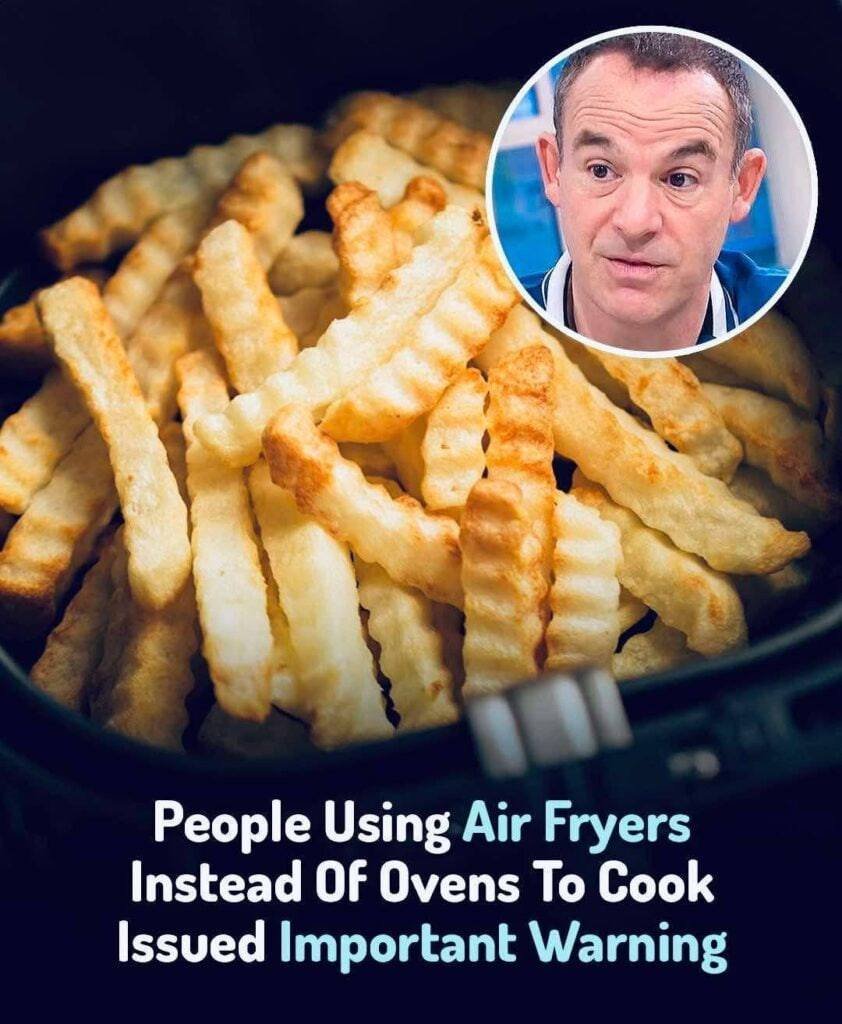
Here is an important warning for people using air fryers as a substitute for traditional ovens, covering safety, cooking adjustments, and common pitfalls.
⚠️ Important Air Fryer Warning: Don’t Treat It Like an Oven!
Air fryers are fantastic kitchen tools, but using them incorrectly can lead to fires, ruined food, damaged appliances, or even injury. Below are essential precautions and differences every user should know.
🔥 1. Fire & Safety Risks
-
Grease & Oil: Never place overly greasy foods directly in the basket without a drip tray or liner. Excessive oil can drip onto the heating element and cause smoking or fire.
-
Overcrowding: Blocking airflow can cause uneven cooking and overheating. Leave space between items.
-
Certain Foods: Avoid cooking foods with excess loose breading, very wet batters, or cheese that melts and drips easily unless properly contained.
-
Placement: Always keep your air fryer on a heat-resistant surface, away from cabinets, walls, and other appliances.
🌡️ 2. Cooking Time & Temperature Adjustments
-
Air fryers cook faster and hotter than conventional ovens.
-
General rule: Reduce temperature by about 25°F (15°C) and check food several minutes earlier than the oven recipe suggests.
-
Always preheat if your model recommends it for best results.
🍳 3. Cookware & Accessories
-
Oven-Safe Doesn’t Always Mean Air Fryer-Safe: Check that any dish or pan fits with ample space around it (especially if it’s a basket-style air fryer). Avoid metal skewers or utensils that could touch the heating element.
-
Use Air Fryer-Safe Pans: Silicone, parchment liners, or perforated metal pans designed for air fryers are best.
-
No Loose Papers: Do not put loose parchment paper or aluminum foil—it can get blown into the heating element. Use weights (like a food-safe metal ring) or perforated liners.
💨 4. Ventilation & Smoke
-
Air fryers emit steam and hot air from vents. Ensure at least 5 inches of clearance on top and around all sides.
-
Some smoke is normal when cooking fatty foods, but persistent smoke means too much oil or food debris in the bottom. Clean regularly.
🧼 5. Cleaning & Maintenance
-
Never submerge the unit in water. Wipe exterior with a damp cloth.
-
Clean after every use—leftover crumbs and grease can burn next time and create smoke or fire risk.
-
Remove and wash the basket and pan with warm, soapy water.
📝 6. Foods to Be Cautious With
-
Fresh greens (like kale) can fly around; use a liner or cook in batches.
-
Whole roasts or large meats may cook unevenly; flip or rotate halfway.
-
Broth-based liquids (like soup) are not suitable for most basket-style air fryers unless using an approved sealed pot accessory.
-
Frozen foods with ice crystals can cause excess steam; pat dry if possible.
✅ Quick Air Fryer vs. Oven Conversion Tips
| Factor | Air Fryer Adjustment |
|---|---|
| Temperature | Reduce by 25°F (15°C) from oven recipes |
| Time | Reduce by about 20–25%; check early and often |
| Pan Size | Use smaller, shallow pans that fit with air space all around |
| Preheating | Often required (check your model’s manual) |
| Shaking/Flipping | Usually needed halfway for even browning |
Final Reminder
Always read your air fryer’s manual—each model has unique features and safety guidelines. When in doubt, start with a lower temperature and less time, then adjust.
Happy (and safe) air frying! 🌟🍟