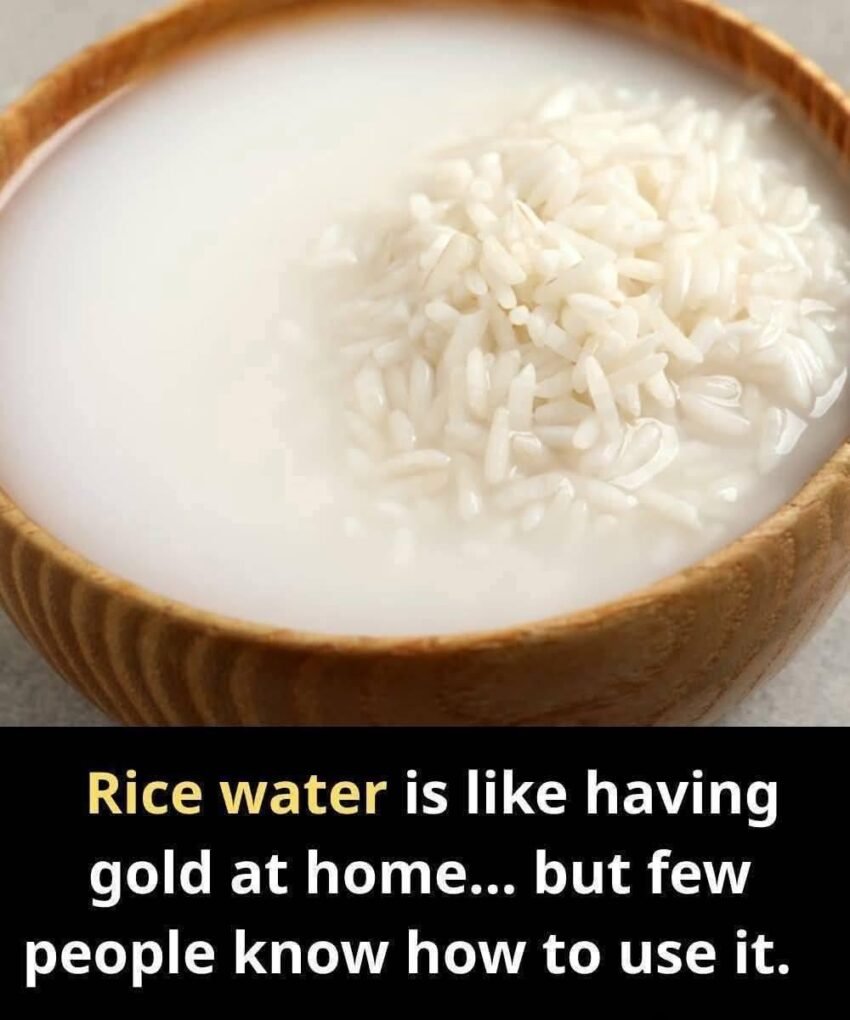
That cloudy water you usually rinse away is packed with nutrients, and for centuries (especially in Asian cultures like Japan and China), it’s been treated as a beauty secret and a household staple. People are finally rediscovering just how versatile it is.
Here is a comprehensive guide to the many ways you can use Rice Water at home.
What is Rice Water?
Simply put, rice water is the starchy water left over after soaking or cooking rice. It contains vitamins B and E, minerals, amino acids, and antioxidants that are beneficial for hair, skin, and even plants.
How to Make Rice Water
There are two main methods:
1. The Soaking Method (Easiest & Most Common)
-
Instructions: Rinse ½ cup of uncooked rice (white or brown) to remove impurities. Place the rinsed rice in a bowl with 2 cups of water. Let it soak for 30-60 minutes, stirring occasionally. The water will turn cloudy.
-
Strain: Strain the rice water into a clean bowl or jar, discarding the rice (or cooking with it!).
2. The Boiling Method
-
Instructions: Cook your rice with a higher-than-usual amount of water. When the rice is done cooking, drain the excess water into a container. This water is more concentrated with starch.
3. The Fermented Method (For Extra Benefits)
-
Instructions: Take the rice water from the soaking method and let it sit at room temperature for 12-48 hours. It will develop a slightly sour smell. This fermented rice water has a lower pH and is believed to be even more potent for hair care. Once fermented, store it in the fridge.
Uses for Rice Water
For Hair Care (The Most Famous Use)
The Yao women of Huangluo village in China are famous for their exceptionally long, healthy hair, which they attribute to washing with fermented rice water.
-
As a Hair Rinse:
-
Shampoo your hair as usual.
-
Pour the rice water through your hair, massaging it into your scalp and along the strands.
-
Leave it on for 5-20 minutes.
-
Rinse thoroughly with warm water. (You can follow with a light conditioner if desired, as it can be slightly drying).
-
-
Benefits:
-
Increases shine and smoothness.
-
Strengthens hair strands and may help reduce breakage.
-
Can improve elasticity and detangle hair.
-
Some believe it encourages hair growth and adds volume.
-
For Skin Care
-
As a Gentle Toner/Facial Rinse:
-
After cleansing your face, splash rice water onto your skin or apply it with a cotton ball.
-
Let it sit for a few minutes, then rinse with cool water.
-
-
As a Soothing Bath Soak:
-
Add a few cups of rice water to your bathwater. The starch is incredibly soothing for irritated skin, sunburns, or conditions like eczema.
-
-
Benefits:
-
Soothes inflammation and irritation.
-
Can help tighten pores (due to its mild astringent properties from the starch).
-
Softens the skin.
-
In the Garden
-
As a Plant Fertilizer:
-
Let the rice water cool to room temperature (if boiled).
-
Use it to water your plants. The starch encourages the growth of beneficial soil bacteria.
-
Note: It’s best to use unsalted rice water. Avoid using it on potted plants too frequently, as it can eventually lead to mold growth on the soil surface. Alternating with plain water is a good practice.
-
In the Kitchen
-
As a Thickener:
-
The starch in rice water can be used to lightly thicken soups, stews, and sauces, similar to using a cornstarch slurry.
-
Important Tips & Storage
-
Use Unsalted Water: If you are boiling rice to get the water, ensure you haven’t added salt if you plan to use it for hair, skin, or plants.
-
Storage: Fresh rice water should be stored in a sealed container in the refrigerator. It will last for about 5-7 days. If it develops an off or rotten smell (different from the intentionally fermented sour smell), discard it.
-
Strain Well: When straining the rice from the water, make sure you catch all the grains so you don’t end up with rice stuck in your hair or clogging your sink.
So next time you cook rice, think twice before pouring that cloudy water down the drain. You might just be throwing away a bottle of beauty elixir