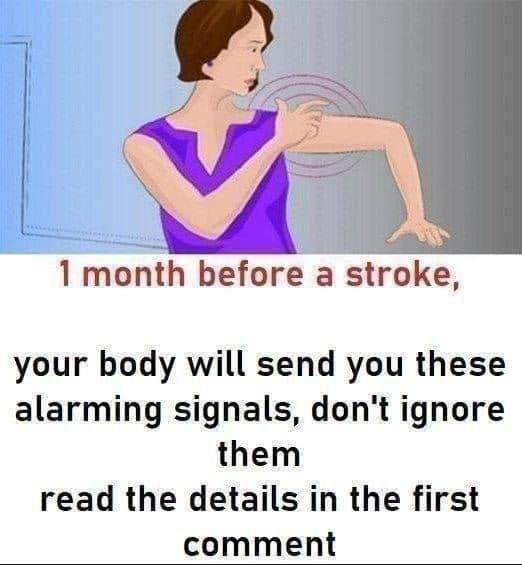
Critical Warning Signs (TIAs or Early Stroke Symptoms)
These symptoms may be temporary, lasting only a few minutes or hours, and then fully resolve. Never ignore them.
-
Sudden Numbness or Weakness: Especially on one side of the body (face, arm, or leg).
-
Sudden Confusion or Trouble Speaking: Slurred speech, difficulty finding words, or understanding speech.
-
Sudden Vision Problems: In one or both eyes (blurred, blackened, or double vision).
-
Sudden Severe Headache: Often described as “the worst headache of my life,” with no known cause.
-
Sudden Dizziness, Loss of Balance, or Lack of Coordination: Trouble walking, staggering, or vertigo.
-
Transient Global Amnesia (Rare): A sudden, temporary episode of memory loss and confusion.
If any of these occur, even if they go away, seek immediate medical attention. It is your brain sending an SOS.
Underlying Risk Factors & “Silent” Signs
The more accurate “signs” that may be present in the months or years before a stroke are actually unmanaged risk factors or silent conditions. These don’t directly predict a stroke in a month, but they dramatically increase the risk.
-
Uncontrolled High Blood Pressure (Hypertension): The #1 controllable risk factor. Often has no symptoms.
-
Undiagnosed Atrial Fibrillation (AFib): An irregular heart rhythm that can cause blood clots. Symptoms can include heart palpitations, shortness of breath, or fatigue—or it can be silent.
-
High Cholesterol: Leads to plaque buildup in arteries (atherosclerosis). No symptoms until severe.
-
Unmanaged Diabetes: High blood sugar damages blood vessels over time.
-
Warning Headaches: New, different, or increasingly frequent headaches may be a sign of vascular issues, but are not specific to stroke.
-
Unexplained Falls or Bumping into Things: Subtle changes in coordination or vision.
What to Do: The FAST Action Plan (For a Stroke in Progress)
Act F.A.S.T. Every second counts.
-
F – Face Drooping: Does one side of the face droop or is it numb? Ask the person to smile.
-
A – Arm Weakness: Is one arm weak or numb? Ask the person to raise both arms. Does one drift downward?
-
S – Speech Difficulty: Is speech slurred, strange, or hard to understand? Can they repeat a simple sentence?
-
T – Time to Call Emergency Services: If you see any of these signs, call emergency services immediately. Note the time when symptoms first appeared.
Proactive Prevention (The Most Important Step)
-
Know Your Numbers: Get regular check-ups for blood pressure, cholesterol, and blood sugar.
-
Manage Heart Health: Report heart palpitations or shortness of breath to your doctor.
-
Adopt a Heart-Healthy Lifestyle: Eat a balanced diet (like the Mediterranean diet), exercise regularly, maintain a healthy weight, don’t smoke, and limit alcohol.
-
Medication Adherence: If prescribed medications for blood pressure, cholesterol, or blood thinners (like for AFib), take them as directed.
Bottom Line: While specific “one-month-before” signs aren’t a reliable timeline, temporary neurological symptoms (TIAs) are a five-alarm fire warning. The most crucial steps are managing long-term risk factors and knowing the F.A.S.T. signs so you can act without delay. When in doubt, get it checked out.