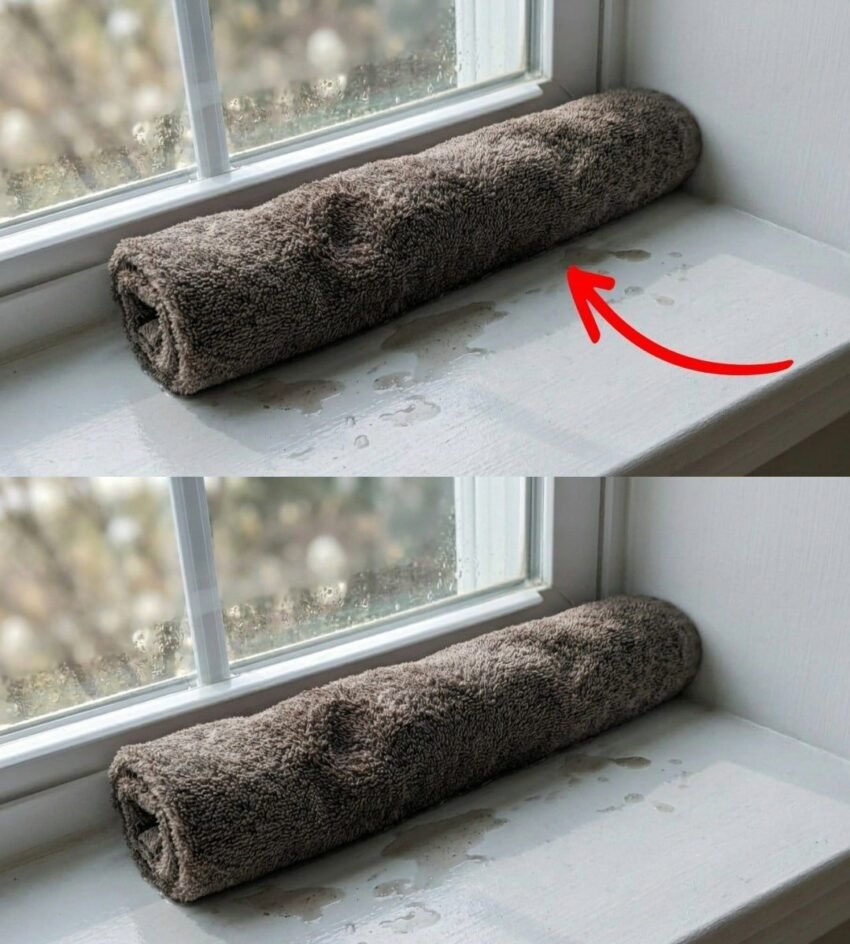
The Short Answer:
Yes, it works, but only under very specific conditions. It’s not a magical device that will cool an entire room like an air conditioner. It’s more of a localized, temporary cooling hack.
Here’s the breakdown of the science behind it, how to do it right, and why it might not always work.
The Science: It’s All About Evaporation
This hack relies on the principle of evaporative cooling.
-
Energy Transfer: When water evaporates (turns from a liquid into a vapor), it requires energy. This energy is drawn from its immediate surroundings in the form of heat.
-
The Mechanism: As air passes over the damp towel, the water in the towel evaporates. This process pulls heat from the air and from the towel itself.
-
The Result: The air that passes through the towel loses heat energy and becomes cooler. This cooler, more humid air is what you feel.
Think of it like stepping out of a swimming pool on a windy day. The water on your skin evaporates, pulling heat away from your body and making you feel chilly. This trick is the same idea, scaled up slightly.
The Two Main Methods: Which One Are You Using?
There are two common ways people use this hack, and they work very differently.
Method 1: The “Swamp Cooler” Hack (Towel in Front of a Fan)
This is the most effective version of this hack.
-
How to do it: Drape a damp (not soaking wet) towel over the front of a box fan or in front of the intake of a pedestal fan. Some people hang it on a clothes rack placed in front of the fan.
-
How it works: The fan pulls warm, dry air from the room and forces it through or over the surface of the wet towel. The moving air accelerates the evaporation process, and the fan then blows this newly cooled, moist air into the room.
-
Effectiveness: This creates a noticeable cooling breeze directly in the path of the fan. It can lower the temperature in that immediate area by a few degrees.
Method 2: The “Passive” Hack (Damp Towel on a Window)
This is less about cooling the whole room and more about personal comfort.
-
How to do it: Hang a damp towel over an open window.
-
How it works: If there’s a breeze, the air entering the room will pass over the towel, potentially cooling it down slightly before it enters. Alternatively, if you’re trying to create a cross-breeze, the air exiting can also be cooled.
-
Effectiveness: This is much less effective than using a fan. It relies entirely on natural wind, which is unpredictable. It can also block airflow if the towel is too thick or hangs incorrectly.
The Crucial Catch: Humidity is the Enemy
Evaporative cooling works best in dry climates. It relies on the air’s ability to absorb more moisture.
-
In a Dry Climate (e.g., Arizona, Colorado): The air is thirsty. It will readily absorb the water from the towel, causing rapid evaporation and a significant cooling effect. This hack can be a lifesaver.
-
In a Humid Climate (e.g., Florida, Louisiana): The air is already saturated with moisture. It cannot absorb much more water from the towel. Therefore, evaporation happens very slowly, or not at all. You’ll just end up with a wet towel and a muggy, uncomfortable room.
How to Make It Work Best
If you live in a dry climate and want to try this, follow these tips:
-
Use Cold Water: Start with cold tap water. The colder the water, the more heat is initially required to warm it up to the evaporation point.
-
Wring It Out: The towel should be damp, not dripping wet. A soaking wet towel restricts airflow and can make the room feel humid.
-
Maximize Airflow: Use a fan. The moving air is the engine that drives evaporation.
-
Create a Cross-Breeze: If possible, open a window on the opposite side of the room to let the hot, humid air escape, creating a continuous flow of air through the cooling zone.
-
Refresh Regularly: As the towel dries out or warms up, its cooling power diminishes. Re-wet it with cold water as needed.
The Verdict
So, does the damp towel trick really cool your room?
-
It will NOT turn your room into a 68°F paradise on a 95°F day. It’s not an air conditioner.
-
It CAN provide a noticeable, pleasant, and localized cooling effect (a cool breeze) that can make a room feel much more comfortable, especially if you are sitting near the fan. It’s a great, low-energy, low-cost way to beat the heat in a dry climate.