The Savvy Shopper’s Guide to Choosing the Sweetest Produce
Getting the sweetest, most flavorful fruits and vegetables is part art, part science. Use these tips to pick winners every time.
🍉 Watermelon
-
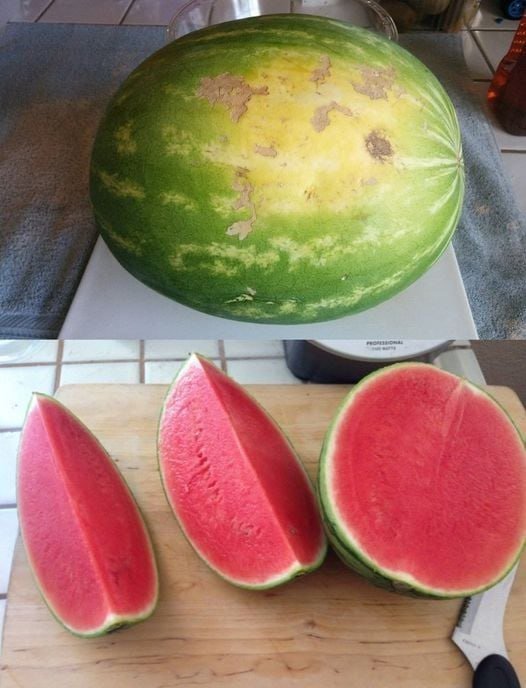
Look for: A deep yellow or creamy “field spot” (where it rested on the ground). Avoid white or pale spots.
-
Tap it: A hollow, deep sound indicates ripeness. A dull thud = underripe.
-
Heavy for its size: Sign of juiciness.
-
Webbing & sugar spots: Brown, coarse webbing and small dark speckles (“sugar spots”) often mean more sugar content.
🍍 Pineapple
-
Sniff the base: Sweet, fragrant aroma (not sour or fermented).
-
Check color: Golden yellow from base upward; green can still be ripe if fragrant.
-
Leaf pull test: A center leaf should pull out easily when ripe.
-
Heavy with firmness: Should feel solid, not mushy.
🍑 Peaches & Nectarines
-
Gentle squeeze: Slight give near the stem = ripe.
-
Background color: Look for golden or creamy undertones, not green.
-
Fragrance: Sweet, peachy smell at stem end.
-
Avoid: Hard fruit or wrinkled skin (overripe).
🍓 Strawberries
-
Uniform red color: No white or green shoulders.
-
Bright green caps: Fresh, perky leaves = recent harvest.
-
Small to medium size: Often sweeter than oversized berries.
-
Avoid: Moisture in container (can mean mold).
🍈 Cantaloupe & Honeydew
-
Cantaloupe: Strong sweet smell, beige netting (not green), slight give at blossom end.
-
Honeydew: Pale yellow to cream-colored rind (not green), slight tackiness on surface, fragrant aroma.
-
Heavy weight = juicy.
🌽 Corn
-
Bright green, snug husks: Should feel slightly damp.
-
Silk ends: Brown and slightly sticky, not dry or black.
-
Plump, tight kernels: Poke a kernel – a milky liquid should come out.
🍅 Tomatoes
-
Deep color & firm give: Avoid hard or mushy spots.
-
Heavy for size: Indicates juiciness.
-
Vine-ripened: Often sweeter than those picked green.
-
Smell: Sweet, earthy scent at stem end.
🍇 Grapes
-
Plump, firm fruit: Attached firmly to stem.
-
Color: Even coloring without whitish film (bloom is natural, but dullness = old).
-
Taste one if allowed: Sweetness varies by variety.
🥕 Carrots
-
Bright orange color: Deep hue = more beta-carotene.
-
Smooth, firm texture: Avoid rubbery or cracked carrots.
-
Medium size: Often sweeter than very large ones.
🍠 Sweet Potatoes
-
Firm, smooth skin: No soft spots or wrinkles.
-
Medium size, uniform shape: Cooks more evenly.
-
Deep color: Often richer flavor.
🛒 General Tips for Sweeter Produce
-
Buy in season – local, seasonal produce is usually sweeter.
-
Shop farmers markets – often picked at peak ripeness.
-
Learn varieties – e.g., Honeycrisp apples, Charentais melons, Sun Gold tomatoes are bred for sweetness.
-
Ripen at home – store stone fruit, avocados, bananas at room temperature until ripe, then refrigerate.
-
Trust your senses – smell, weight, color, and texture often tell more than labels.
📆 Seasonal Sweetness Calendar
-
Spring: Strawberries, pineapples, peas
-
Summer: Watermelon, peaches, corn, tomatoes
-
Fall: Apples, grapes, pears, sweet potatoes
-
Winter: Citrus (oranges, mandarins), pomegranates
Choosing sweet produce is a skill that improves with practice. When in doubt, ask your grocer — they often know what’s tasting best that week! Happy shopping 🛒🍎