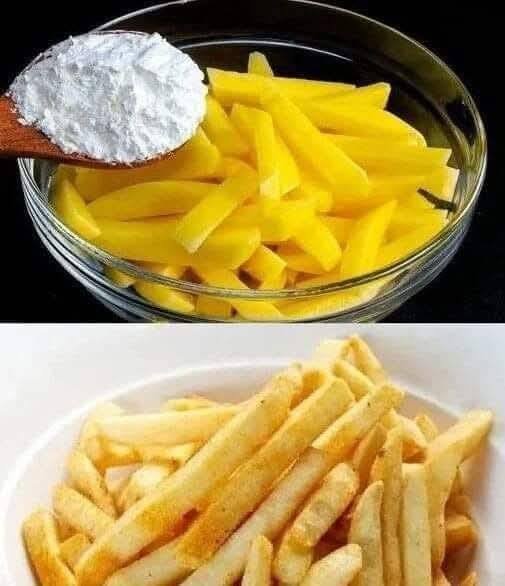
The Ultimate Guide to Crispy Homemade French Fries
Forget soggy, limp disappointments. True, crispy-on-the-outside, fluffy-on-the-inside homemade fries are a science, but one you can master with the right process. The secret isn’t one thing—it’s a series of crucial steps that remove moisture, cook the interior, and then create that golden, shatteringly crisp exterior.
Here is your fail-proof, double-fry method for perfect fries every time.
The Science of Crispiness
Crispness comes from the Maillard reaction (browning) and dehydration of the fry’s surface. The key enemy is moisture. The double-fry method solves this:
-
First Fry (Blanching): Cooks the potato through at a lower temperature and removes internal moisture.
-
Cooling Phase: Allows starches to set and moisture to further evaporate from the surface.
-
Second Fry (Crisping): At a higher temperature, this rapidly browns and crisps the now-dry exterior.
The Perfect Fry Method (Double-Fry)
Equipment
-
A heavy pot or Dutch oven (for consistent oil temperature)
-
A deep-fry thermometer (Non-negotiable for precision)
-
A slotted spoon or spider skimmer
-
Two large baking sheets lined with paper towels and a wire rack
Ingredients
-
2-3 lbs (1-1.4 kg) Russet or Idaho potatoes (high-starch is best)
-
Neutral, high-heat oil (peanut, vegetable, or canola)
-
Fine sea salt
-
Optional seasonings: Garlic powder, smoked paprika, truffle salt, etc.
Step-by-Step Process
Step 1: Choose & Cut
-
Potato: Russets are ideal for their high starch and low moisture.
-
Cut: Peel (optional) and cut into ¼ to ½-inch thick batons. Consistency is critical for even cooking. Use a sharp knife or a french fry cutter.
-
Rinse: Immediately submerge cut fries in a large bowl of cold water for at least 30 minutes, or up to overnight in the fridge. This washes away surface starch, preventing gumminess and promoting crispness.
Step 2: First Fry (Blanching)
-
Drain fries and pat bone-dry with clean kitchen towels. Wet fries cause dangerous oil splatter.
-
Heat oil in your heavy pot to 325°F (163°C). Use enough oil to submerge the fries.
-
Fry in small batches to avoid crowding and temperature drop. Cook for 4-6 minutes until they are soft, slightly translucent, and just beginning to color at the edges. They will not be crispy yet.
-
Remove with a slotted spoon and spread in a single layer on the wire rack over a baking sheet. Let cool completely. (You can do this hours ahead, or even freeze the blanched fries at this stage.)
Step 3: Second Fry (Crisping)
-
Heat the same oil to 375°F (190°C).
-
Fry the blanched, cooled potatoes again in batches for 2-4 minutes, until deeply golden brown, crispy, and puffed.
-
Immediately drain on the wire rack (this keeps them crisper than draining on paper towels). Season liberally with fine salt the moment they come out of the oil.
The “No-Fry” Crispy Oven Method
For a solid, healthier alternative:
-
Follow Steps 1 & 2 of cutting and rinsing.
-
Parboil: Add drained fries to a pot of cold, salted water. Bring to a boil, then simmer for 8-10 minutes until just tender. Drain carefully.
-
Coat: Toss gently in a bowl with 2-3 tbsp oil (and a tbsp of cornstarch for extra crunch).
-
Bake: Spread on a parchment-lined baking sheet in a single layer. Bake at 425°F (220°C) for 20-25 minutes. Flip and bake another 15-20 minutes until crisp and brown.
Pro-Tips for Perfection
-
Fat Matters: For a French bistro flavor, use beef tallow or duck fat. For a mix, try ¾ neutral oil and ¼ animal fat.
-
Freeze for Convenience: After the first fry and cooling, freeze fries in a single layer on a sheet, then bag them. Fry from frozen at 375°F (190°C) for 3-5 minutes.
-
Seasoning Science: Season immediately after frying while the oil is still clinging to help the salt adhere.
-
The Vinegar Trick (Heston Blumenthal’s Secret): Add 1 tsp of white vinegar to the water when parboiling potatoes. It helps break down the pectin on the surface, leading to a rougher texture that crisps better.
Troubleshooting
| Problem | Likely Cause | Solution |
|---|---|---|
| Soggy Fries | Oil temp too low, overcrowded pot, or not dried properly. | Use a thermometer, fry in batches, pat extremely dry. |
| Burnt Outside, Raw Inside | Oil temp too high. First fry skipped. | Follow the double-fry method precisely. |
| Not Crispy Enough | Skipped the cooling step between fries. | Let blanched fries cool completely to evaporate steam. |
| Greasy Fries | Fries not hot enough when removed, or second fry temp too low. | Ensure oil is at 375°F, drain on a rack, not paper. |
Serving: The Final Touch
Serve immediately in a warmed bowl. Classic is king (just salt!), but don’t be afraid to explore:
-
Frites Sauce: Mayo + ketchup + minced garlic + paprika.
-
“Dirty” Fries: Load with cheese curds, gravy, and green onions (poutine-style).
-
Truffle & Herb: Toss with truffle oil, parsley, and grated Parmesan.
Remember: Patience and process are your tools. The double-fry method isn’t a shortcut—it’s the guaranteed path to fry nirvana. Enjoy the crunch! 🍟