
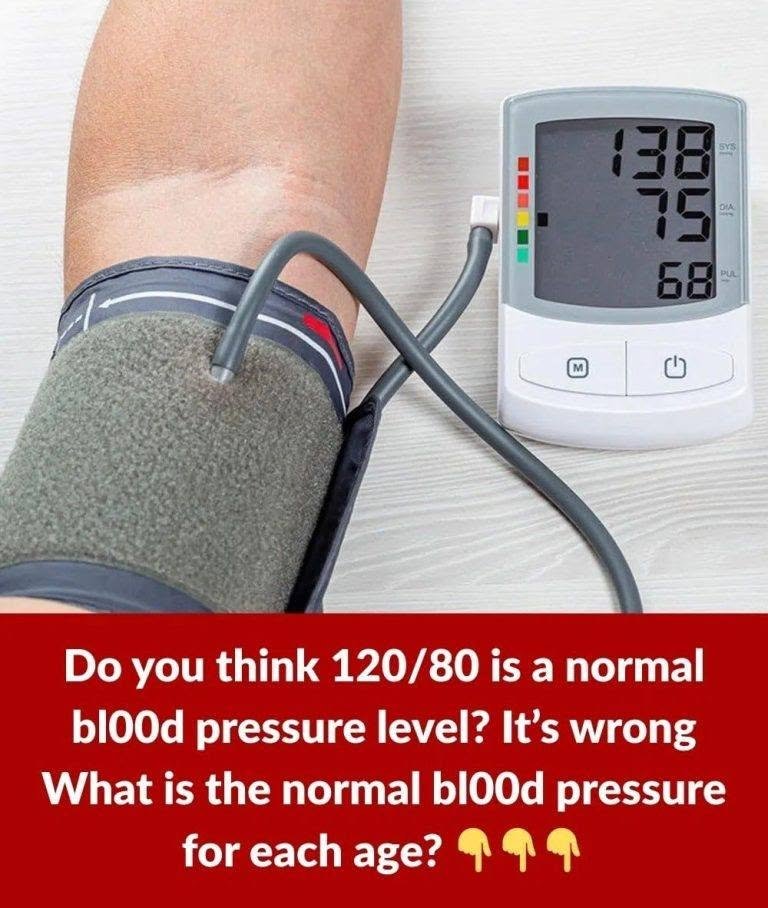
It is important to note that blood pressure guidelines for adults generally do not change based on a specific number of age. Medical organizations like the American Heart Association (AHA) apply the same “normal” baseline to all adults, regardless of whether they are 25 or 75.
However, blood pressure does naturally change as we age due to the stiffening of arteries, so pediatric guidelines are different from adult guidelines, and older adults often have different target goals set by their doctors.
Here is a breakdown of normal, elevated, and high blood pressure ranges, followed by specifics for children and older adults.
The Standard Adult Blood Pressure Chart (Ages 18+)
According to the American Heart Association, the categories are the same for all adults:
-
Normal: Systolic (top number) less than 120 AND Diastolic (bottom number) less than 80
-
Example: 115/75 mm Hg
-
-
Elevated: Systolic 120–129 AND Diastolic less than 80
-
Example: 125/78 mm Hg
-
-
High Blood Pressure (Stage 1): Systolic 130–139 OR Diastolic 80–89
-
Example: 135/85 mm Hg
-
-
High Blood Pressure (Stage 2): Systolic 140 or higher OR Diastolic 90 or higher
-
Example: 145/92 mm Hg
-
-
Hypertensive Crisis: Systolic higher than 180 and/or Diastolic higher than 120 (Requires immediate medical attention)
Pediatric Guidelines (Ages 1–13)
For children, what is considered “normal” is not a single number. It is based on percentiles that take into account the child’s sex, height, and age.
-
Normal: Blood pressure below the 90th percentile for their age, sex, and height.
-
General Averages (for a quick reference):
-
Infants (1–12 months): ~90/60
-
Toddlers (1–3 years): ~95/60
-
Preschoolers (3–5 years): ~95/62
-
School-age (6–13 years): ~102/64 to 110/70
-
What Happens After Age 60?
While the official “normal” guideline still says adults should aim for less than 120/80, medical realities shift slightly for older adults. As we age, arteries stiffen, causing systolic pressure (the top number) to naturally rise.
Many geriatric doctors follow slightly relaxed guidelines to avoid side effects from over-medicating. For adults over 60 or 65 who are otherwise healthy, a target of less than 130/80 or sometimes less than 140/90 is often considered acceptable. However, you should always follow the target prescribed by your personal physician.
Why the “Bottom” Number Changes Over Time
-
In your 20s–40s: Doctors pay close attention to the Diastolic (bottom) number. High diastolic pressure at this age is a strong indicator of future heart problems.
-
In your 50s and beyond: Doctors focus more on the Systolic (top) number. High systolic pressure (isolated systolic hypertension) is the most common type of high blood pressure in older adults.
Important Tips for Accurate Readings
To know your true “normal,” you have to measure correctly:
-
Sit quietly for 5 minutes before taking a reading.
-
Do not drink caffeine, exercise, or smoke 30 minutes prior.
-
Sit with your back supported, feet flat on the floor, and your arm resting on a flat surface at heart level.
-
Take it at the same time every day. Blood pressure fluctuates naturally throughout the day, usually being higher in the morning.