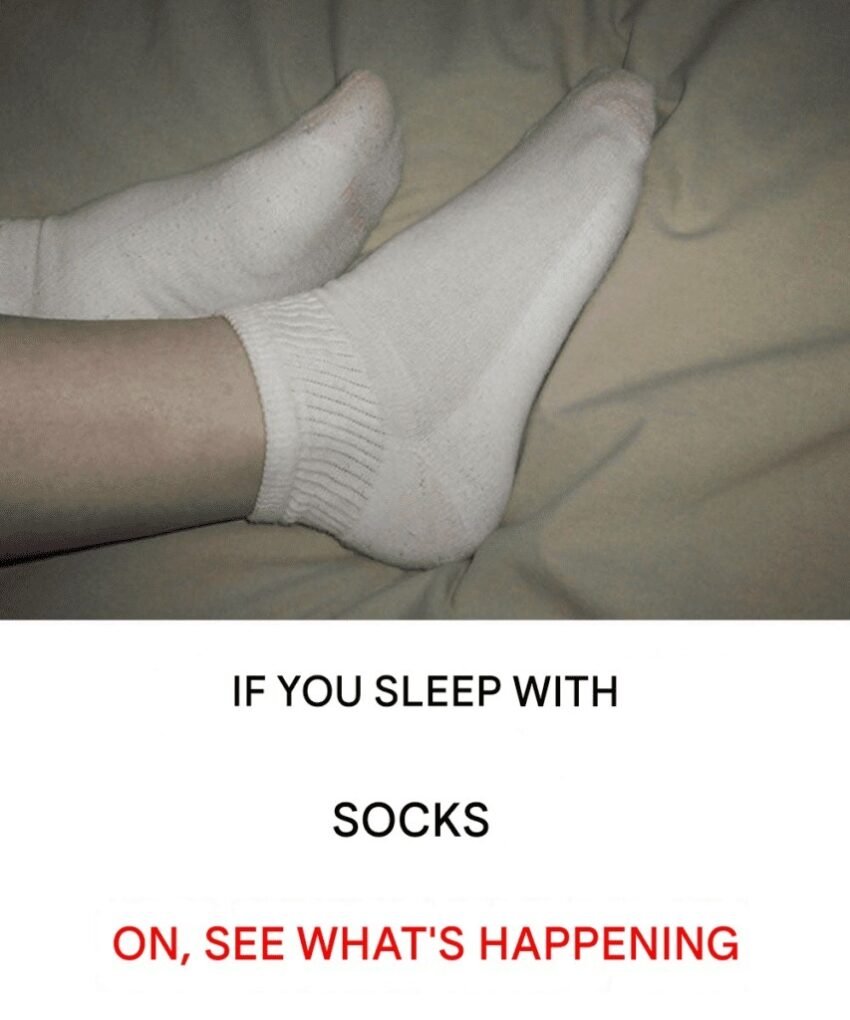
It’s a simple, often overlooked habit with surprisingly significant benefits for senior health and safety. Here’s a detailed breakdown of why wearing socks at home is a highly recommended practice for seniors.
1. Safety & Fall Prevention (The #1 Reason)
-
Foot Protection: Socks, particularly those with non-slip grips, protect the feet from stubbing toes on furniture, stepping on small debris, or getting small cuts from rough surfaces. An unprotected foot injury can be serious and lead to infection.
-
Improved Stability: Bare feet or socks on smooth floors (hardwood, tile, laminate) can be extremely slippery. Non-slip socks provide traction, significantly reducing the risk of a devastating slip-and-fall accident, which is a leading cause of injury for seniors.
-
Sensory Feedback: Well-fitted socks help with proprioception (awareness of where your feet are in space) on smooth surfaces, offering a bit more stability than bare feet.
2. Thermoregulation & Circulation
-
Poor Circulation: Many seniors have reduced circulation and thinner skin, making it harder for their bodies to retain heat. Feet are often the first to feel cold.
-
Constant Warmth: Keeping feet warm with socks helps maintain core body temperature. Cold feet can lead to discomfort, stiffness, and even a slight drop in core temperature.
-
Preventing Complications: For seniors with diabetes or peripheral artery disease (PAD), cold feet are a particular concern. Keeping feet warm promotes better circulation, which is crucial for tissue health. (Important Note: They must avoid socks with tight elastic bands that restrict circulation).
3. Skin Health & Hygiene
-
Moisture Management: Feet can sweat, and moisture against the skin, especially between toes, can lead to fungal infections (like athlete’s foot) or maceration (softening/breaking down of skin). Moisture-wicking socks (cotton, wool, bamboo) draw sweat away from the skin.
-
Barrier Protection: Socks act as a protective layer, reducing direct contact with potential irritants in carpets or on floors. They also prevent dry skin on heels from catching on blankets or carpets, which can cause cracks and fissures.
-
Reduced Risk of Ulcers: For diabetic seniors, socks are a critical line of defense. They cushion the feet, reduce friction from shoes or slippers, and help prevent the blisters and calluses that can develop into dangerous ulcers.
4. Comfort and Pain Relief
-
Cushioning: Socks provide a layer of cushioning for the soles of the feet, which can be especially comforting for those with arthritis, thinning fat pads on the feet, or conditions like plantar fasciitis.
-
Joint Warmth: Warmth can soothe arthritic joints in the feet and ankles, reducing stiffness and pain, especially first thing in the morning or in air-conditioned environments.
Choosing the Right Socks for Seniors:
Not all socks are equal. Here’s what to look for:
-
Non-Slip Grips (Essential): Look for socks with silicone dots or grips on the sole. These are the single most important safety feature for home wear.
-
Seamless Toes: Seams can rub and cause pressure points or blisters, especially for sensitive or diabetic feet.
-
Moisture-Wicking Material: Avoid 100% nylon. Choose cotton, merino wool (temperature-regulating and odor-resistant), or bamboo.
-
Proper Fit: They should be snug but not tight. No constricting elastic bands at the top (look for “non-binding” or “diabetic” socks). They shouldn’t bunch up, as this can cause pressure sores.
-
Appropriate Thickness: Light to medium weight is usually best for indoor wear, providing warmth without causing feet to overheat.
When Might Bare Feet Be Okay?
In a completely safe, carpeted environment where the senior is mostly sitting or in bed, and they have excellent circulation and skin integrity, going without socks briefly might be acceptable for comfort. However, the moment they get up to walk, the safety and warmth benefits of socks immediately outweigh the desire to be barefoot.
Conclusion:
For seniors, wearing socks at home is far more than a comfort preference—it’s a low-cost, high-impact preventive health measure. It directly addresses major age-related risks: falls, poor circulation, temperature sensitivity, and skin breakdown. Investing in several pairs of properly fitted, non-slip, moisture-wicking socks is one of the easiest and smartest ways to support daily safety and well-being.