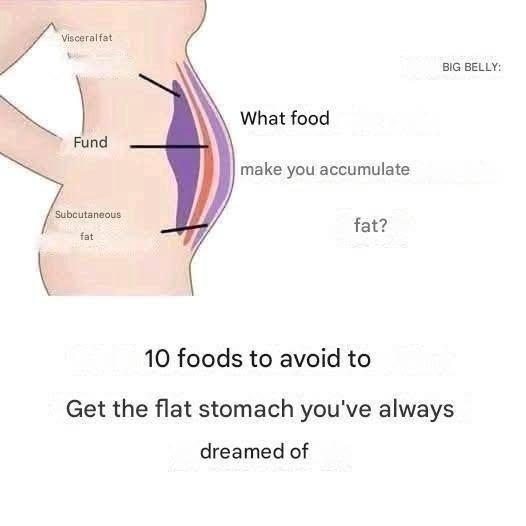
The concept of a “flat stomach” is less about a few forbidden foods and more about how your body uniquely responds to certain ingredients that cause inflammation, bloating, water retention, and digestive slowdown. The goal isn’t to demonize food, but to identify the common culprits that can make you feel and look puffier than you are.
Here are 10 foods and ingredients that are notorious for sabotaging a flatter midsection, and what to eat instead.
1. Carbonated and Fizzy Drinks
This includes diet soda, sparkling water, and even champagne. The carbon dioxide bubbles become trapped in your digestive system, creating literal gas and distention. It’s an instant, mechanical bloat that has nothing to do with calories.
-
The swap: Flat water infused with cucumber, fresh mint, lemon, or ginger. Ginger and mint are natural carminatives, meaning they actually help expel gas rather than trap it.
2. Chewing Gum and Sugar-Free Candies
Gum makes you swallow air, which accumulates in the stomach. Additionally, the sugar alcohols used to sweeten them—sorbitol, xylitol, mannitol—ferment in the large intestine, producing significant gas and often acting as a laxative. Some people can’t absorb them at all, leading to severe distention from even a tiny amount.
-
The swap: Fresh parsley or fennel seeds. Chewing a few fennel seeds after a meal freshens breath and contains compounds that relax the digestive tract and reduce gas.
3. Cruciferous Vegetables (When Eaten Raw)
Broccoli, cauliflower, kale, Brussels sprouts, and cabbage are nutritional powerhouses, but they contain raffinose, a complex sugar that humans can’t break down. It ferments in the colon, producing hydrogen, carbon dioxide, and methane. Cooking them denatures the tough fibers and makes them far easier to digest.
-
The swap: Roasted or steamed versions of the same vegetables. The volume of the food is reduced, and your body doesn’t have to work as hard to break down the rigid cell walls. Even lightly sautéing spinach rather than eating it raw makes a noticeable difference.
4. High-Sodium Processed Meats
Deli meats, bacon, sausage, and jerky can pack over 1,000 mg of sodium in a single serving. When you consume excess sodium, your body holds onto water to maintain a precise electrolyte balance. This water accumulates in the interstitial spaces, and the midsection is a primary storage site. This isn’t fat, but it makes the stomach feel soft and look undefined.
-
The swap: Freshly cooked chicken breast, turkey, or fish seasoned with potassium-rich spices and herbs. Potassium acts as sodium’s counterbalance, signaling the kidneys to release retained water.
5. Refined Grains and White Flour
White bread, bagels, pasta, and crackers spike blood sugar rapidly. The insulin surge that follows promotes fat storage, particularly visceral fat (the deep belly fat that surrounds organs). Refined grains are also stripped of fiber, which means they slow digestion and can lead to constipation, creating a distended lower belly.
-
The swap: Sourdough or sprouted grain bread. The fermentation process in sourdough “pre-digests” the gluten and starches, and the lower glycemic load means less insulin released. Steel-cut oats are another excellent choice—they’re whole grain and have a high satiety factor.
6. Dairy (If You Have a Silent Sensitivity)
Lactose intolerance isn’t always a dramatic, immediate reaction. Many adults produce less lactase as they age and experience chronic, low-grade bloating they’ve learned to accept as normal. The undigested lactose travels to the colon, where bacteria ferment it, creating gas and water retention. It’s often the hidden reason for a permanently slightly extended abdomen.
-
The swap: Lactose-free milk, or aged cheeses like Parmigiano-Reggiano or extra-sharp cheddar. During the aging process, bacteria consume the lactose, making these cheeses practically lactose-free. Greek yogurt is also often well-tolerated because the live cultures break down the lactose for you.
7. Beans and Lentils (If Improperly Prepared)
Beans are fiber and protein superstars, but they contain lectins and oligosaccharides that ferment into gas. The difference between a bloating bowl of beans and a comfortable one often comes down to preparation technique, not the bean itself.
-
The swap: Canned beans that have been thoroughly rinsed (the canning liquid is full of the gas-causing starches), or dried beans that were properly soaked overnight with a piece of kombu seaweed, then cooked with the kombu and discarded before serving. Lentils, especially split red lentils, cook quickly and are far less likely to cause gas than larger beans.
8. Certain “Healthy” Protein Bars and Shakes
Many are highly processed and rely on soy protein isolate or whey concentrate, both of which can cause severe bloating in sensitive people. The inulin or chicory root fiber added to boost the fiber content is an incredibly fast fermenter, which means rapid gas production. The combination creates a perfect storm of digestive distress.
-
The swap: A handful of almonds and a piece of fruit, or a shake made with a simple, clean pea protein or collagen peptides and no added fibers. If a protein bar is necessary, look for ones with recognizable whole-food ingredients and no chicory root fiber or inulin.
9. Fried and Deep-Fat-Fried Foods
The high fat content delays gastric emptying—meaning food sits in your stomach longer, creating a heavy, extended feeling of fullness and distention. Frying also oxidizes the oils, and these oxidized fats are inflammatory. Inflammation in the gut lining causes swelling that translates directly to a distended stomach.
-
The swap: Foods that have been baked, air-fried, or pan-seared with a minimal amount of heat-stable oil like avocado or coconut oil. You achieve the crispy texture without the prolonged stomach clearance and inflammatory oxidized fat.
10. Alcohol (Especially Beer and Cocktails)
Alcohol is a direct irritant to the stomach lining, causing inflammation and swelling. It’s also a diuretic, leading to dehydration, which paradoxically triggers water retention as the body panics and clings to every drop of fluid. Beer delivers a double hit: the alcohol, plus the carbonation and fermentable carbohydrates. Sugary cocktails add a blood-sugar spike and inflammation from the refined syrups.
-
The swap: A single glass of dry red wine, which contains polyphenols and antioxidants, or a clear spirit with soda water and a squeeze of fresh lime (which has less sugar and less fermentation potential than beer). For a completely non-alcoholic option that doesn’t spike blood sugar, a mix of sparkling water with muddled cucumber and fresh herbs feels celebratory without the side effects.
The flat stomach goal is often really about feeling comfortable and minimizing the everyday bloat that makes you feel sluggish. The single most effective thing you can do is pay attention to the patterns: your body will tell you, more clearly than any list, which foods are your personal triggers. The most tailored elimination diet is simply noticing how you feel 60-90 minutes after you eat something, and adjusting accordingly.