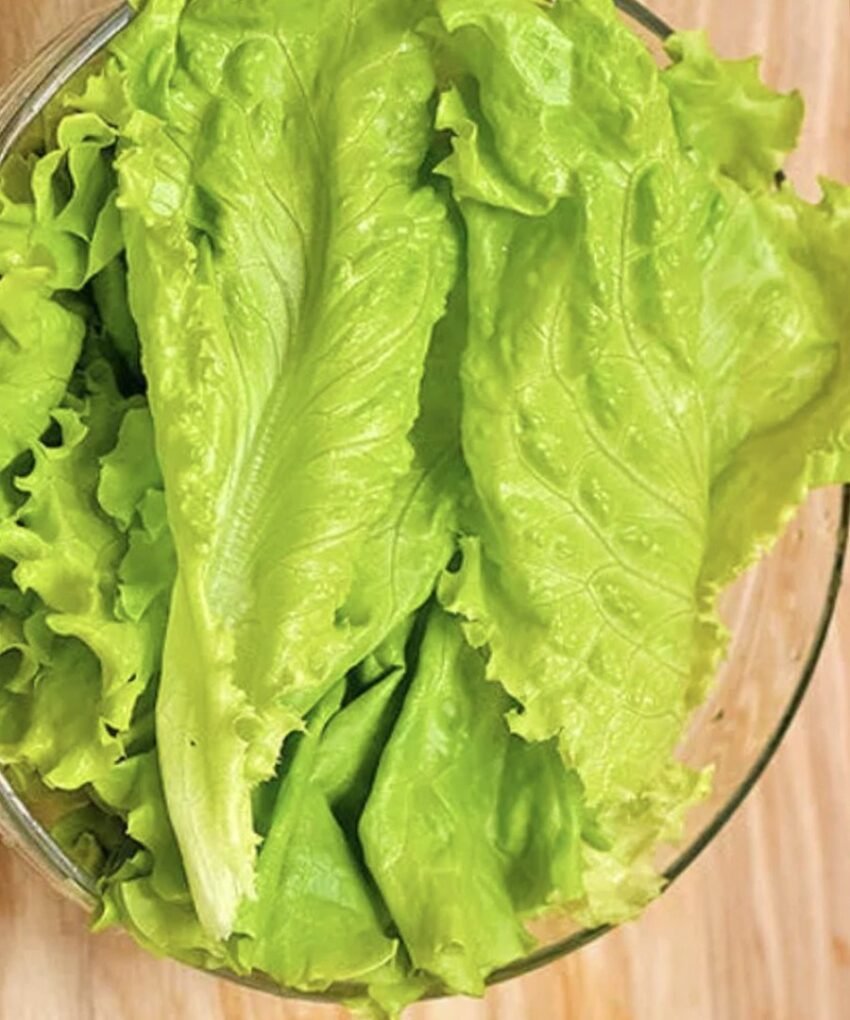
While lettuce is generally safe and healthy, doctors and health experts sometimes highlight a few specific risks or reasons to be cautious with winter consumption.
Here are the potential issues that might be referenced:
1. Increased Risk of Foodborne Illness (Contamination)
The most common warning from doctors about winter lettuce relates to where it comes from.
-
Source: In colder climates, lettuce cannot be grown locally during winter. It is often imported from warmer regions (like the southern United States or Mexico).
-
Risk: Large-scale farming and long supply chains can sometimes increase the risk of contamination with bacteria like E. coli, Salmonella, or Listeria.
-
The Warning: Health officials often track outbreaks of foodborne illness, and occasionally, imported winter lettuce is linked to recalls. Washing it thoroughly is always recommended.
2. “Cold” or “Damp” Nature (Traditional Chinese Medicine)
In systems like Traditional Chinese Medicine (TCM) or Ayurveda, there is a concept of “food energetics.”
-
Cooling Food: Lettuce is considered a “cooling” or “yin” food.
-
Winter Imbalance: In winter, the body is already working to keep warm. Eating too many raw, cooling foods like lettuce is sometimes thought to weaken the digestive system, leading to issues like:
-
Gas and bloating
-
Sluggish digestion
-
Feeling cold internally
-
-
The Advice: Some practitioners suggest lightly cooking lettuce (like in soups or stir-fries) during winter to “warm” its nature while still getting the nutrients.
3. Nutrient Content (Hydration vs. Warmth)
-
High Water Content: Lettuce is mostly water. While hydration is important year-round, eating large quantities of high-water, low-calorie foods in winter might leave some people feeling less satisfied or colder than eating heartier, warm cooked vegetables like root vegetables (carrots, potatoes, squash).
4. Pesticide Residue
-
Some reports indicate that certain imported leafy greens (including lettuce) can sometimes carry higher levels of pesticide residues compared to locally grown produce in season. This is a general concern for health-conscious consumers regardless of the season.
Summary: Should You Stop Eating Lettuce in Winter?
For the average healthy person, no, you do not need to stop eating lettuce in winter. It is a perfectly safe and healthy food.
However, to address the concerns above, you can:
-
Wash Thoroughly: Always wash lettuce leaves carefully under running water, even if the bag says “pre-washed.”
-
Buy Smart: If possible, choose locally grown hydroponic or greenhouse lettuce during winter, or opt for hardier greens like kale or spinach that can sometimes be grown locally in colder months.
-
Switch It Up: If you follow TCM principles or find that raw salads make you feel cold or bloated in winter, try:
-
Wilted Lettuce: Sautéing or lightly wilting lettuce with garlic and olive oil.
-
Warm Salad: Topping your salad with warm ingredients like roasted vegetables or warm grilled chicken.
-
Heartier Greens: Using kale, collards, or chard (often sautéed) as your base instead of delicate lettuce.
-