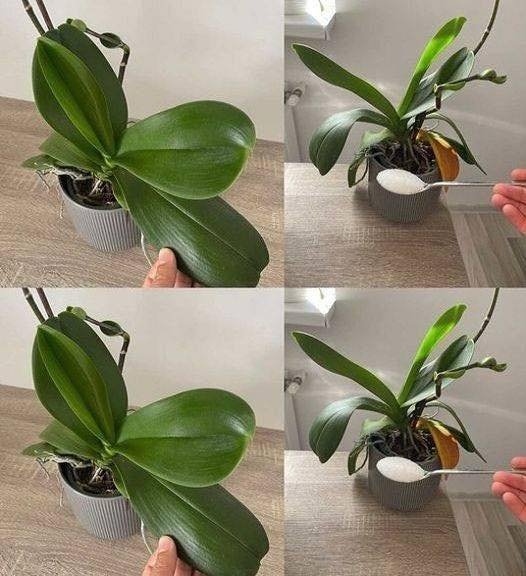
This is a very popular topic in the gardening world! The idea of triggering non-stop blooms with a single, simple ingredient is incredibly appealing. While the promise of “non-stop” blooming is a bit of an exaggeration (all plants, even orchids, need a rest period), the core message is true: a simple, homemade fertilizer can make a dramatic difference in the health and blooming frequency of your orchids.
Let’s break down the most common and effective “one tablespoon” remedies, what the science says, and how to use them correctly.
The Most Popular “One Tablespoon” Orchid Fertilizers
There are three main contenders in the world of homemade orchid fertilizers. Each works slightly differently.
1. The Kitchen Staple: Rice Water
-
What it is: The water left over from rinsing or cooking rice.
-
Why it’s used: As rice cooks, it releases starches, vitamins, and minerals (including nitrogen (N), phosphorus (P), and potassium (K) – the key nutrients for plant growth) into the water. It also contains B vitamins, which orchids love.
-
The “One Tablespoon” Method: Use the starchy, cloudy water from rinsing uncooked rice. You don’t need to cook it. Use about 1-2 tablespoons of this rice water diluted in a cup of fresh water and use it to water your orchid once a month, in place of a regular watering.
-
Why it works (the science): The small amount of nutrients provides a gentle, organic boost. The B vitamins can also encourage beneficial microbe activity in the potting mix.
2. The All-Natural Booster: Molasses or Honey
-
What it is: Unsulphured blackstrap molasses or raw, unpasteurized honey.
-
Why it’s used: Molasses and honey are rich in carbohydrates, iron, calcium, magnesium, and potassium. They also contain trace elements that are often missing in synthetic fertilizers. The sugars can also feed beneficial fungi and bacteria in the potting medium, creating a healthier root environment.
-
The “One Tablespoon” Method: Mix 1 tablespoon of molasses or honey into 1 gallon (or a large watering can) of warm water and stir until completely dissolved. Use this solution to water your orchid once a month. It can also be used as a foliar spray.
-
Why it works (the science): This is less about direct feeding and more about feeding the ecosystem around the roots, which in turn helps the plant absorb nutrients more efficiently. The potassium is particularly good for bloom production.
3. The Surprising Secret: Potato Water
-
What it is: The water left over from boiling potatoes.
-
Why it’s used: Potatoes are packed with potassium and phosphorus—two elements directly linked to flowering and root health. They also contain carbohydrates and other minerals.
-
The “One Tablespoon” Method: Let the potato water cool completely. Use about 1-2 tablespoons of this water diluted in a cup of fresh, room-temperature water to water your orchid.
-
Why it works (the science): The phosphorus and potassium provide a direct nutritional boost that supports the plant’s energy for blooming. The carbohydrates can also act as a mild energy source.
The Most Important Factor: The “One Tablespoon” Rule
Notice that all of these methods emphasize a small amount diluted in water. This is absolutely critical. Orchids are epiphytes (air plants) in nature, and their roots are not designed to sit in rich, heavy soil or concentrated nutrients.
-
The Golden Rule for Orchids: “Water weakly, weekly.” It’s always better to under-fertilize than to over-fertilize. Too much fertilizer can burn the sensitive roots, leading to leaf tip burn, root rot, and even plant death.
-
Dilution is Key: Never apply these homemade fertilizers full-strength. Always dilute them significantly.
Other Essential Tips for Non-Stop Blooms
Even with the best fertilizer, orchids (especially Phalaenopsis, the common moth orchid) need the right conditions to bloom. The “one tablespoon” trick works best when combined with these factors:
-
Light is #1: Bright, indirect light is non-negotiable. An orchid that doesn’t bloom is almost always not getting enough light. An east-facing window is ideal.
-
Temperature Drops Trigger Blooming: Orchids often need a temperature drop of about 10-15°F at night for a few weeks to initiate flower spikes. This mimics their natural environment. In the fall, move your orchid to a spot near a cooler window (but away from cold drafts).
-
Consistent, Gentle Watering: Water when the potting medium is nearly dry. For most orchids potted in bark, this is about once a week.
-
The Right Potting Mix: Use a coarse, chunky orchid bark mix, not regular potting soil. This allows air to circulate around the roots, which they desperately need.
The Bottom Line
Can a simple “one tablespoon” of kitchen scraps make your orchids bloom more? Absolutely, yes—when used correctly and as part of a good overall care routine.
It’s a gentle, organic, and incredibly satisfying way to nourish your plants. Just remember the key principles: dilute it, use it monthly, and ensure your orchid gets the light and temperature cues it needs. Your orchid will thank you with healthy roots and beautiful, long-lasting blooms.