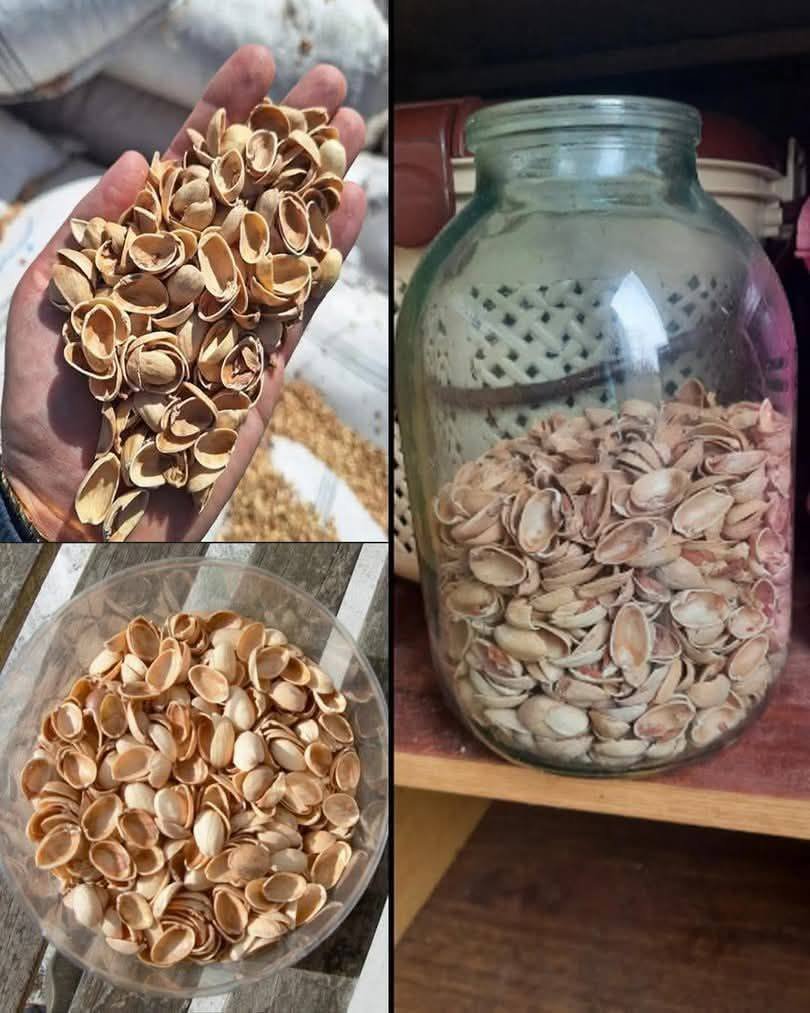
Turning pistachio shells into a powder is a clever way to recycle kitchen waste into something genuinely useful for your garden. The hard, woody shells break down slowly and offer several benefits when processed correctly.
Here is a comprehensive guide on how to turn pistachio shells into powder and the many ways you can use it to benefit your plants and garden.
Why Pistachio Shells? The Benefits
Pistachio shells are not just empty waste; they have valuable properties:
-
Woody Texture: They are tough and decompose slowly, making them excellent for long-term soil structure.
-
Aeration: When mixed into soil, they help prevent compaction, allowing air, water, and nutrients to reach plant roots more easily.
-
Slightly Alkaline: As they decompose, pistachio shells can slightly raise the pH of acidic soils, which can be beneficial for certain plants.
-
Natural Mulch: They help retain soil moisture, regulate temperature, and suppress weeds.
How to Turn Pistachio Shells into Powder
The process is simple but requires a few steps to get the shells clean and grindable.
Step 1: Clean the Shells Thoroughly
This is the most important step. Pistachio shells are almost always salted. The salt can harm your plants by dehydrating them and damaging soil structure.
-
Rinse: Place the shells in a colander and rinse them thoroughly under warm running water to remove surface salt.
-
Soak: For best results, soak the shells in a bowl of warm water for 15-30 minutes. This helps dissolve salt trapped in the porous shells.
-
Drain and Dry: Drain the water and spread the shells on a baking sheet or towel. Let them air dry completely for a day or two, or speed up the process by baking them in the oven at a low temperature (200°F / 95°C) for 1-2 hours until they are completely dry and brittle.
Step 2: Grind the Shells into Powder
Once the shells are clean and bone-dry, it’s time to grind them.
-
Initial Crush: Place a handful of shells in a sturdy plastic bag or wrap them in a kitchen towel. Use a hammer, rolling pin, or meat mallet to gently crush them into smaller, more manageable pieces. This makes the next step easier.
-
Grind:
-
High-Speed Blender: This is the most effective tool for most people. Work in batches, adding the crushed shells to a dry blender. Blend on high until you achieve a fine, sand-like or powdery consistency. Be prepared for some noise!
-
Coffee/Spice Grinder: For smaller quantities, a dedicated coffee or spice grinder works wonderfully and produces a very fine powder quickly.
-
Food Processor: A food processor can work, but it may not get the powder as fine as a blender or grinder. You may end up with a coarser grit, which is still useful.
-
Note: The powder will be quite abrasive, so be mindful of using a high-quality blender you care about. This is a great job for an older or less-used appliance.
10 Ways to Use Pistachio Shell Powder in Your Garden
Now for the fun part—putting that powder to work!
1. Soil Aeration and Drainage
-
How to use: Mix the powdered shells directly into your potting soil or garden beds. The sharp, gritty particles create tiny air pockets, preventing soil from becoming compacted and improving drainage.
-
Best for: Heavy clay soils, container plants, and seed-starting mixes.
2. Slow-Release Mulch
-
How to use: Sprinkle a layer of the coarse powder or small shell fragments around the base of your plants. Unlike fine powder, the chunks will last longer as a mulch.
-
Benefits: Helps retain soil moisture, regulates soil temperature, and suppresses weed growth.
3. Natural Pest Deterrent (for Soft-Bodied Pests)
-
How to use: Sprinkle a ring of the sharp, gritty powder around susceptible plants.
-
Targets: The abrasive texture can deter slugs, snails, and cutworms, as they don’t like crawling over the sharp particles.
4. Compost Activator and Bulking Agent
-
How to use: Add the crushed or powdered shells to your compost pile.
-
Benefits: The woody material is a great source of carbon (“browns”), which balances out nitrogen-rich “greens” (kitchen scraps). Their structure also helps create air pockets in the compost, aiding aerobic decomposition.
5. Alkaline Booster for Acid-Loving Plants? (Use with Caution)
-
How to use: For plants that prefer slightly alkaline soil (like lavender, lilacs, or brassicas), you can work a small amount of powder into the soil.
-
Note: This is a slow and mild effect. Do not use around acid-loving plants like blueberries, azaleas, or rhododendrons. Always test your soil pH first.
6. Seed-Starting Mix Component
-
How to use: Mix a small amount of fine powder into your homemade seed-starting mix.
-
Benefits: It adds grit, improving drainage and preventing damping-off disease (a fungal issue that plagues seedlings in overly wet soil).
7. Worm Bin Bedding
-
How to use: Add a layer of crushed or powdered shells to your vermicomposting (worm) bin.
-
Benefits: The grit aids the worms’ digestion (they use it to grind food in their gizzards). It also helps absorb excess moisture and reduces odors.
8. Succulent and Cactus Soil Amendment
-
How to use: Mix the powder (or small grit) into the soil for succulents and cacti.
-
Benefits: These plants require excellent drainage, and the gritty texture of the shells is perfect for replicating their natural, rocky environment and preventing root rot.
9. Pathway or Pot Topper
-
How to use: Use the coarser crushed shells (not fine powder) as a decorative and functional topping for potted plants or garden pathways.
-
Benefits: It looks natural, suppresses weeds, and helps retain moisture.
10. Fire Pit Kindling (Not Powder, but Whole Shells)
-
While not strictly a use for the powder, remember that whole, clean pistachio shells are excellent, natural fire starters due to their high oil content. Save some for your next campfire or fireplace!
Important Precautions
-
Desalt Thoroughly: Never skip the soaking and rinsing step. Salt is toxic to plants and will damage your soil.
-
Use in Moderation: Like any soil amendment, start with small amounts and observe how your plants respond.
-
Abrasive Nature: The powder is sharp. Wear gloves if you have sensitive skin, and avoid creating dust clouds that could irritate your lungs. A dust mask is a good idea when grinding large quantities.
By following these steps, you can turn a common kitchen waste item into a valuable, multi-purpose resource for a thriving, healthy garden. Happy gardening