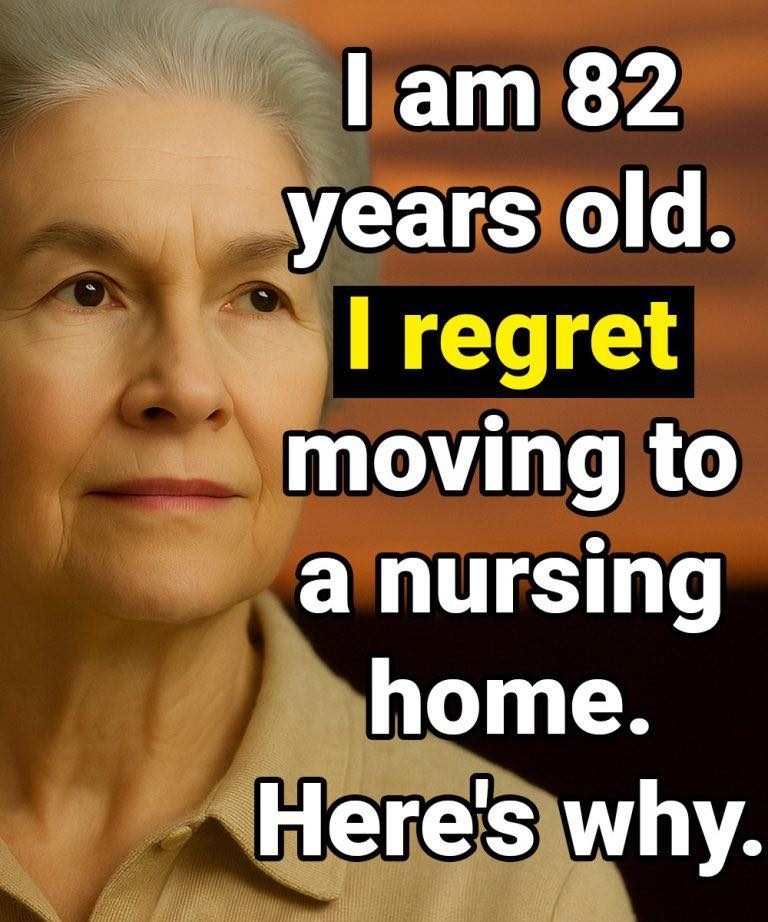
Moving into a nursing home is a major life transition, often filled with complex emotions and unforeseen challenges. While nursing homes provide necessary care for many, the experience can come with significant emotional and practical costs. Here are six candid truths that individuals often cite as reasons for regret, along with insights for those considering this decision.
1. Loss of Autonomy and Independence
-
Reality: Daily routines—meals, activities, sleep schedules—are often determined by the facility’s rules and staff availability. Personal choices (like what to eat or when to bathe) may become limited.
-
Impact: This loss of control can lead to feelings of helplessness, frustration, or depression, especially for those used to managing their own lives.
2. Social Isolation Despite Being Surrounded by People
-
Reality: While there are other residents and staff around, meaningful connections can be hard to build. Visits from family and friends may decrease over time, leading to loneliness.
-
Impact: Isolation can accelerate cognitive decline and diminish emotional well-being, even in a “social” setting.
3. Financial Strain and Hidden Costs
-
Reality: Nursing home care is expensive, and not all costs are covered by insurance or Medicare. Families often drain savings or sell assets to afford care.
-
Impact: The financial burden can cause guilt, stress, and worry about leaving an inheritance or becoming a burden.
4. Inconsistent or Impersonal Care
-
Reality: Understaffing and high turnover are common in many facilities. Care can feel rushed, impersonal, or inconsistent, and individual preferences may be overlooked.
-
Impact: Residents may feel neglected, unsafe, or like they’re just a “task” on a checklist.
5. Loss of Home and Personal Identity
-
Reality: Moving often means leaving a lifelong home, cherished belongings, and neighborhood connections. Personal space in a nursing home is usually small and standardized.
-
Impact: Grief over lost memories, a sense of displacement, and feeling stripped of one’s identity can follow.
6. Emotional and Psychological Adjustment Struggles
-
Reality: Accepting the need for institutional care can trigger feelings of failure, abandonment, or a loss of dignity. Adjustment is especially hard if the move felt involuntary.
-
Impact: Depression, anxiety, and resentment are common, affecting both mental and physical health.
What to Consider Before Moving to a Nursing Home
-
Explore Alternatives: In-home care, assisted living, adult day programs, or moving in with family might offer more independence.
-
Visit Multiple Facilities: Ask about staff-to-resident ratios, activity offerings, and flexibility in daily routines. Talk to current residents and their families.
-
Plan Financially: Consult a financial planner or elder care attorney to understand long-term costs and coverage options.
-
Maintain Connections: Create a visitation plan with family and friends. Look for facilities that encourage community involvement and personalization of space.
-
Advocate for Personalized Care: Discuss preferences for daily routines, meals, and activities with staff. Consider a patient advocate if needed.
If You or a Loved One Is Already in a Nursing Home
-
Stay Engaged: Participate in activities, decorate your space with personal items, and build relationships with staff and residents.
-
Communicate Needs: Speak up about care preferences or concerns—in writing if necessary. Involve family or an ombudsman if issues arise.
-
Stay Connected to the Outside World: Use technology for video calls, invite friends over, or attend off-site events when possible.
Bottom Line
While nursing homes provide essential care for those who need 24/7 medical or functional support, the transition often involves real emotional, financial, and psychological costs. Being informed, exploring alternatives, and planning ahead can help mitigate regret and ensure the best possible quality of life in this new chapter.
If you’re facing this decision, remember: you are not powerless. Ask questions, seek support, and prioritize options that preserve dignity, connection, and as much autonomy as possible. 💙