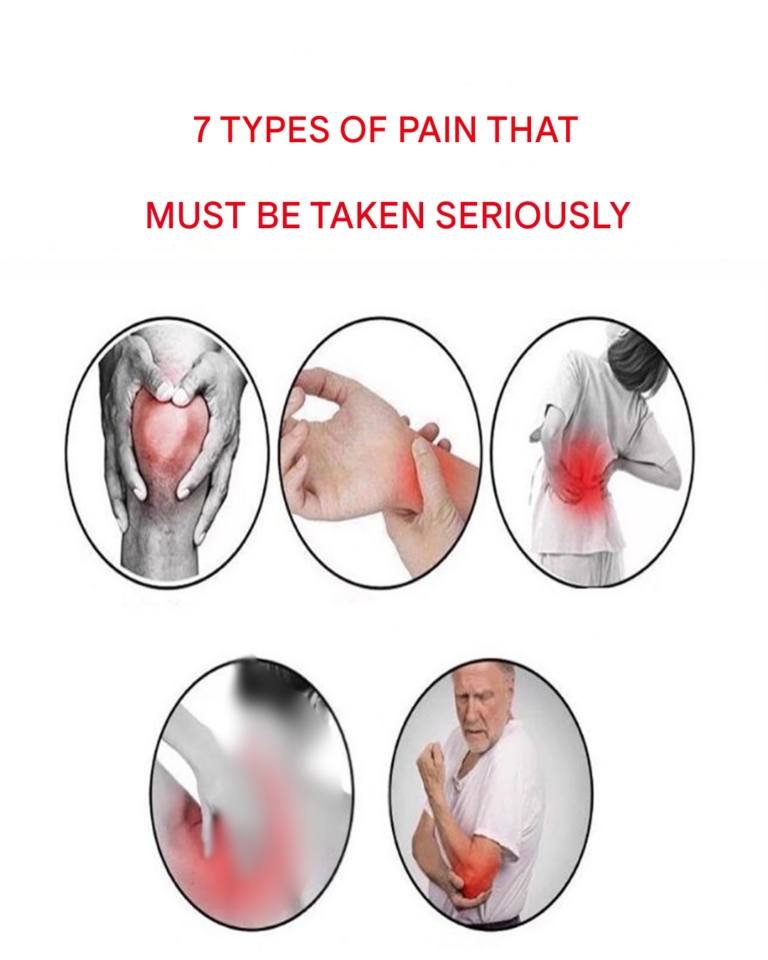
Here is a general overview of 7 Pain Symptoms You Should Monitor Carefully. While most pain is temporary and harmless, certain characteristics can be signs that something more serious is going on. If you experience any of these, it is important to consult a healthcare professional.
1. Chest Pain
What to monitor: Any pain, pressure, tightness, or squeezing sensation in your chest.
Why it matters: This can be a sign of a heart attack, angina, or a pulmonary embolism (blood clot in the lung).
Seek emergency care if: The pain spreads to your arm, jaw, or back, or is accompanied by shortness of breath, nausea, dizziness, or cold sweats.
2. Severe Headache (Thunderclap Headache)
What to monitor: A sudden, explosive headache that reaches maximum intensity within seconds or minutes—often described as the “worst headache of your life.”
Why it matters: This can indicate a subarachnoid hemorrhage (bleeding in the brain), a brain aneurysm, or a stroke.
Seek emergency care if: It comes on suddenly with no known cause, or is accompanied by confusion, vision changes, stiff neck, or loss of consciousness.
3. Abdominal Pain with Warning Signs
What to monitor: Severe pain that is localized to one spot (especially the lower right side), a rigid or hard belly, or pain that radiates to your back.
Why it matters: This could be appendicitis, a perforated ulcer, pancreatitis, or gallstones.
Seek emergency care if: The pain is severe and persistent, you are vomiting blood or have bloody stools, or you have a high fever.
4. Pain Radiating Down the Left Arm
What to monitor: Pain, numbness, or discomfort that starts in the chest or shoulder and travels down the left arm (though it can sometimes occur in the right arm as well).
Why it matters: This is a classic warning sign of a heart attack. The nerves that carry pain signals from the heart are the same ones that serve the arm, so the brain can misinterpret the source.
5. Calf Pain with Swelling and Redness
What to monitor: Persistent pain, tenderness, cramping (like a charley horse), swelling, and redness or warmth in one calf.
Why it matters: These are classic symptoms of Deep Vein Thrombosis (DVT) , a blood clot in a deep vein. If the clot breaks loose, it can travel to the lungs (pulmonary embolism), which is life-threatening.
Seek emergency care if: You also experience sudden shortness of breath, chest pain, or coughing up blood.
6. Back Pain with Neurological Symptoms
What to monitor: Severe lower back pain that shoots down one leg (sciatica), but more importantly, pain accompanied by:
-
Numbness or tingling in the groin or inner thighs (“saddle anesthesia”)
-
Sudden bladder or bowel incontinence
-
Weakness in one or both legs
Why it matters: This combination can signal Cauda Equina Syndrome, a rare but serious surgical emergency caused by compressed nerves at the base of the spinal cord.
7. Persistent, Unexplained Pain
What to monitor: Pain that doesn’t go away with rest, wakes you up at night, or cannot be explained by an injury or known condition.
Why it matters: While many things can cause chronic pain, persistent, unexplained pain can sometimes be an early sign of certain cancers or other underlying diseases. It is always worth getting checked out if your body is sending a persistent alarm signal.