If you are worried about your kidney health or have risk factors (like diabetes or high blood pressure), please consult a doctor immediately. Self-diagnosing based on online lists can be dangerous.
With that disclaimer in mind, here are the common warning signs of declining kidney function and the key tests used to assess kidney health.
9 Warning Signs Your Kidneys Might Be Failing
It is important to note that these symptoms are often vague and can be caused by other conditions. The presence of one or more does not definitively mean you have kidney failure, but they warrant a check-up.
-
Changes in Urination
-
Frequency: You may feel the need to get up more often at night (nocturia). Alternatively, you might urinate less frequently or in smaller amounts.
-
Appearance: Your urine may be foamy or bubbly (indicating protein), or dark in color. It may contain blood (hematuria).
-
Straining: You might feel pressure or have difficulty urinating.
-
-
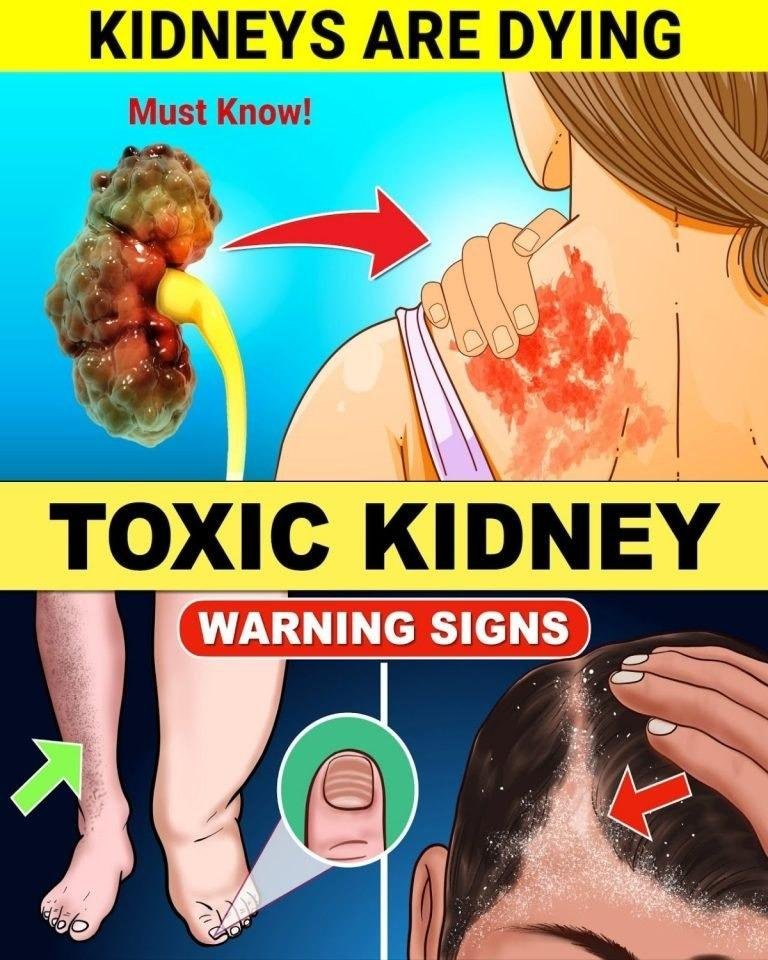
Swelling (Edema)
-
When kidneys fail, they cannot remove excess fluid from the body. This fluid builds up, causing swelling in the legs, ankles, feet, face, or hands. You might notice your shoes feel tight or your rings won’t fit.
-
-
Fatigue and Weakness
-
Healthy kidneys produce a hormone called erythropoietin (EPO), which tells your body to make red blood cells. When kidneys fail, EPO drops, leading to anemia. This results in feeling tired, weak, or short of breath even after minimal exertion.
-
-
Skin Rash and Itching (Pruritus)
-
Waste buildup in the blood (uremia) can cause severe itching and dry skin. The skin may also look darker, dry, or develop a yellowish tint. In advanced stages, tiny white crystals (uremic frost) can appear on the skin, though this is rare today.
-
-
Metallic Taste in Mouth / Ammonia Breath
-
A buildup of urea in the saliva can break down into ammonia, causing bad breath. Many people also report a persistent metallic taste in their mouth, which can make food taste different or lead to a loss of appetite.
-
-
Nausea and Vomiting
-
The buildup of toxins and waste products in the bloodstream can lead to persistent nausea, vomiting, and a general feeling of being “off” or queasy, often leading to unintentional weight loss.
-
-
Shortness of Breath
-
This can happen for two reasons: first, excess fluid can build up in the lungs (pulmonary edema). Second, anemia (lack of red blood cells) leaves your body starved for oxygen, making you feel breathless.
-
-
Brain Fog and Dizziness
-
Anemia (starving the brain of oxygen) and the buildup of toxins can affect the brain. You may have trouble concentrating, feel dizzy, or experience memory issues. Some describe it as “brain fog.”
-
-
Pain (Flank Pain)
-
Some people with kidney problems, particularly those with kidney stones or infections (pyelonephritis), feel a dull ache or sharp pain in their upper back, just below the ribs, on one or both sides (flank pain).
-
Tests to Detect Kidney Failure Early (To Avoid Dialysis)
If you catch kidney disease in stages 1 through 3, you can often make lifestyle changes and take medication to slow its progression and potentially avoid dialysis for many years. Here are the key tests your doctor uses:
1. Blood Pressure Measurement
-
Why it matters: High blood pressure is the second leading cause of kidney failure (after diabetes). It puts immense strain on the blood vessels in the kidneys.
-
The Goal: Maintaining a blood pressure of less than 120/80 (or as advised by your doctor) is the single most important thing you can do to protect your kidneys.
2. Blood Test: eGFR (Estimated Glomerular Filtration Rate)
-
What it is: This is a calculation based on the level of creatinine (a waste product from muscle wear and tear) in your blood. It also factors in your age, sex, and race.
-
The Result: The eGFR tells you what percentage of your kidney function is left.
-
Stage 1: eGFR 90+ (normal function, but with signs of kidney damage like protein in urine).
-
Stage 2: eGFR 60-89 (mild loss).
-
Stage 3: eGFR 30-59 (moderate loss).
-
Stage 4: eGFR 15-29 (severe loss).
-
Stage 5: eGFR less than 15 (Kidney Failure / End-Stage Renal Disease – this is usually when dialysis is considered).
-
3. Urine Test: UACR (Urine Albumin-to-Creatinine Ratio)
-
What it is: This test checks for a protein called albumin in your urine. Healthy kidneys keep protein in the body. If protein is spilling into your urine (albuminuria), it is a very early sign of kidney damage, often before the eGFR drops.
-
The Goal: A UACR under 30 mg/g is normal. Higher levels indicate damage.
4. Imaging: Ultrasound or CT Scan
-
What it is: An ultrasound uses sound waves to create a picture of your kidneys. It checks for physical problems like:
-
Kidney stones blocking the ureters.
-
Tumors or cysts.
-
Structural abnormalities (kidneys that are too small indicate chronic disease; swollen kidneys might indicate obstruction).
-
5. Kidney Biopsy
-
What it is: In some cases, a doctor will take a tiny sample of kidney tissue using a needle. This is usually done to figure out the specific cause of the kidney disease (e.g., what type of glomerulonephritis) so they can target the treatment precisely.
Summary: How to Avoid Dialysis
To prevent kidney disease from progressing to the point of needing dialysis, focus on these pillars if you are at risk:
-
Control Blood Sugar: If you are diabetic, keeping your A1c in a healthy range is critical.
-
Control Blood Pressure: Take medications (like ACE inhibitors or ARBs) as prescribed—they offer special protection to the kidneys.
-
Diet: Limit salt (sodium) and processed foods. In later stages, you may need to limit potassium and phosphorus, but this should be managed by a renal dietitian.
-
Avoid NSAIDs: Steer clear of non-steroidal anti-inflammatory drugs like ibuprofen (Advil, Motrin) and naproxen (Aleve), as they can damage kidneys over time.
-
Regular Testing: Get your eGFR and UACR checked annually if you have risk factors (diabetes, high BP, family history).