
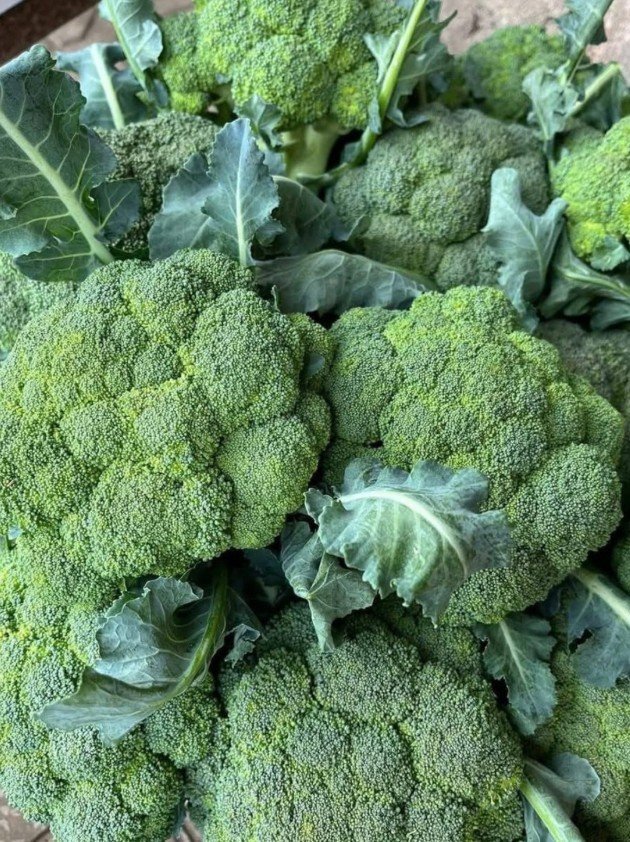
🥦 Fact Check: Broccoli and Health
Broccoli is widely recognized as a nutrient-dense superfood, packed with vitamins (C, K, folate), fiber, antioxidants, and compounds like sulforaphane, which studies suggest may have anti-cancer and anti-inflammatory properties.
There is no credible medical evidence that properly consumed broccoli causes harm to healthy individuals. However, here are some nuanced considerations doctors might highlight:
⚠️ Potential Considerations (Not “Causes Harm” in General)
-
Thyroid Function (in Excessive Amounts)
-
Broccoli is a cruciferous vegetable containing goitrogens, which can interfere with thyroid hormone production if eaten in extremely large, raw quantities.
-
For whom? Mostly a concern for people with existing iodine deficiency or hypothyroidism.
-
Reality: Cooking reduces goitrogenic effects, and moderate consumption is safe and beneficial even for those with thyroid conditions.
-
-
Digestive Discomfort
-
High fiber and raffinose (a complex sugar) can cause gas, bloating, or cramping in some people, especially if introduced suddenly into the diet.
-
Solution: Cook broccoli, start with small portions, and chew thoroughly.
-
-
Blood Thinning (Vitamin K)
-
Broccoli is high in vitamin K, which aids blood clotting.
-
For whom? Individuals on blood-thinning medication (e.g., warfarin) need to keep vitamin K intake consistent (not avoid it) to maintain stable medication effects.
-
-
Kidney Stones (Oxalates)
-
Contains oxalates, which in very high amounts can contribute to kidney stone formation in susceptible individuals.
-
Risk level: Low compared to spinach or rhubarb. Staying hydrated is key.
-
-
Allergies (Rare)
-
Some may have oral allergy syndrome or a rare broccoli allergy.
-
✅ Doctor-Recommended Advice on Broccoli
-
Eat Cooked or Steamed: Light cooking preserves nutrients while improving digestibility and reducing goitrogens.
-
Portion Control: 1–2 cups daily is a healthy amount for most people.
-
Variety is Key: Rotate with other vegetables to get a range of nutrients.
-
Consult a Professional: If you have a specific health condition (thyroid, on blood thinners, kidney issues), talk to your doctor or dietitian for personalized advice.
❌ Debunking Myths
-
Broccoli does NOT cause diseases—it helps prevent them when part of a balanced diet.
-
Any negative effects are tied to extreme overconsumption or pre-existing health conditions.
🩺 Bottom Line
Broccoli is a highly recommended vegetable by health professionals worldwide. Its benefits far outweigh any hypothetical risks, which are easily managed through normal, varied eating habits. If you have specific health concerns, tailor your diet with professional guidance—don’t eliminate nutritious foods out of fear.
Eat your broccoli — it’s good for you! 🥦💚