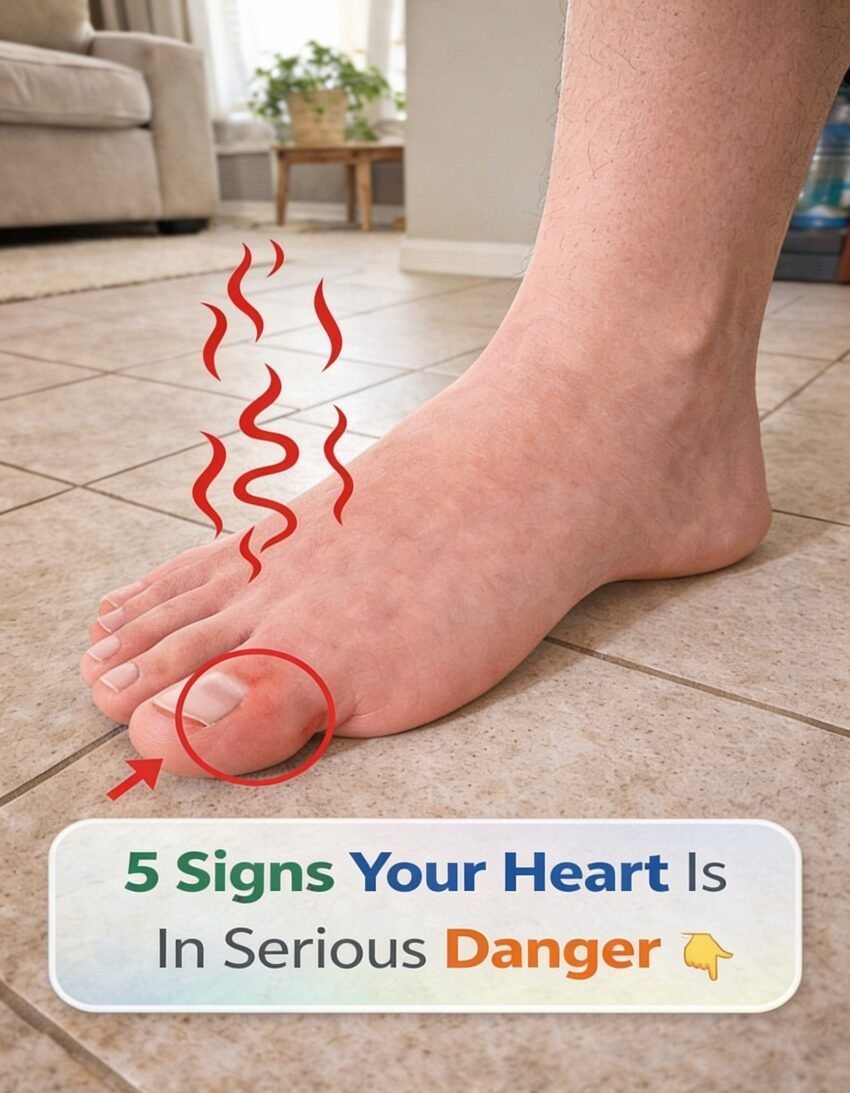
Dealing with a red, swollen foot blister can be painful and worrying. While most blisters are minor, redness and swelling are signs of inflammation—and if they worsen, they can indicate an infection.
Here is a step-by-step guide to managing a foot blister with redness and swelling, including how to tell if you need to see a doctor.
Phase 1: Immediate Care (The First 24-48 Hours)
The goal here is to reduce inflammation, protect the area, and prevent the blister from getting worse.
1. Stop the Irritation (This is Crucial)
-
A blister is a friction burn. If you keep walking on it, the redness and swelling will not go down.
-
Rest the foot as much as possible. If you must walk, wear open-toed sandals or shoes that put absolutely no pressure on the blister. If the blister is on the heel or a pressure point, you can cut a “donut” shape out of molefoam or thick felt and place it around the blister to offload pressure.
2. Keep It Clean (But Leave the Skin Intact)
-
Do not pop it yet. The roof of the blister (the skin) is the best natural bandage. It keeps bacteria out and allows the skin underneath to heal.
-
Gently wash the area with mild soap and cool water. Pat dry—do not rub.
-
Apply a thin layer of an antibiotic ointment (like Bacitracin or Neosporin) to keep the skin moist and reduce the risk of surface bacteria entering if the blister accidentally breaks.
3. Reduce the Swelling and Redness
-
Elevation: When you are sitting or lying down, keep your foot raised above the level of your heart. This uses gravity to help drain fluid (edema) away from the injury and will noticeably reduce the swelling within a day.
-
Cold Compress: For the first 24 hours, apply an ice pack wrapped in a thin towel to the area for 15 minutes at a time. This constricts blood vessels and helps bring down the inflammation (redness).
4. Cushion and Protect
-
Cover the blister with a specialized blister bandage (often called “hydrocolloid” or “gel” bandages). These are padded, create a moist healing environment, and reduce friction better than standard adhesive strips.
-
If you don’t have those, use a simple non-stick gauze pad held in place with paper tape (medical tape that is easy to remove).
Phase 2: When and How to Drain (If Necessary)
If the blister is large, tense, and painful (making walking impossible), you may need to drain it to relieve pressure. However, doing this increases the risk of infection.
Only do this if:
-
The pain is severe.
-
You can do it in a sterile manner.
-
You are not diabetic or immunocompromised (if you are, go to a doctor instead).
How to drain safely:
-
Wash the area and your hands thoroughly.
-
Sterilize a sharp needle with rubbing alcohol.
-
Do not remove the skin. Make a small puncture at the edge of the blister and gently press the fluid out.
-
Apply antibiotic ointment immediately.
-
Cover with a bandage. Check it the next day for signs of infection.
Phase 3: Recognizing Infection (When to Worry)
Redness and swelling are normal in the first 24-48 hours as part of the healing process. However, if these symptoms get worse instead of better, the blister may be infected.
Signs of Infection (See a Doctor if you notice):
-
Expanding Redness: Redness that spreads away from the blister site, often in streaks (red streaks traveling up the foot or ankle is a sign of blood poisoning and requires immediate medical attention).
-
Heat: The area around the blister feels significantly hot to the touch compared to the rest of your foot.
-
Discolored Pus: The fluid inside turns from clear/yellow to a milky white, green, or gray color, or it starts to smell bad.
-
Increased Pain: The pain intensifies rather than subsides, or it starts to throb.
-
Fever: You develop a body temperature over 100.4°F (38°C).
Summary of Effective Treatment
-
Take Pressure Off: Rest and wear different shoes.
-
Ice and Elevate: 15 minutes on, 15 minutes off, while keeping the foot up.
-
Protect: Cover with a hydrocolloid bandage or antibiotic ointment and gauze.
-
Monitor: Draw a circle around the red area with a pen. If the redness spreads outside the circle in 24 hours, see a doctor.
-
Medical Attention: If you have diabetes, poor circulation, or signs of infection, do not treat this at home—visit a clinic or podiatrist.