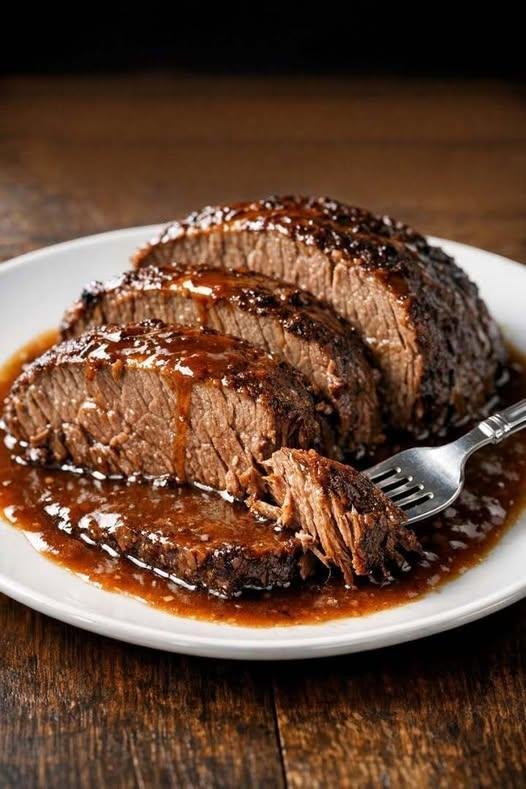
While “Envelope Method” isn’t a standard culinary term, it refers to a genius, low-maintenance way to roast meat—usually a chicken—by encasing it in a parchment paper envelope.
This method creates a self-basting steam environment that guarantees the juiciest meat imaginable, while a final blast under the broiler gives you that crispy, golden skin.
Here is the breakdown of the method and a perfect recipe for an Envelope-Method Roast Chicken.
What is the Envelope Method?
Instead of using a roasting pan, you place the seasoned meat (often a whole chicken or a roast) on a large sheet of parchment paper, fold it up like a parcel, and tie it with kitchen twine to create a sealed “envelope.”
-
The Result: The meat steams in its own juices, becoming incredibly tender and flavorful without drying out.
-
The Finish: You then open the envelope, crank up the heat (or use the broiler), and let the skin crisp up for the perfect texture contrast.
Envelope-Method Roast Chicken
This recipe produces a chicken that is more succulent than any rotisserie chicken you’ve ever had.
Ingredients
-
1 whole chicken (about 4 lbs / 1.8 kg)
-
2 tablespoons olive oil or softened butter
-
1 tablespoon kosher salt (crucial for crispy skin)
-
1 teaspoon black pepper
-
1 lemon, quartered
-
1 head of garlic, cut in half crosswise
-
A few sprigs of fresh rosemary and thyme
-
Parchment paper (heavy-duty if you have it)
-
Kitchen twine
Instructions
1. Preheat and Prep the Chicken
-
Preheat your oven to 425°F (220°C) .
-
Remove any giblets from the chicken cavity. Pat the chicken extremely dry with paper towels—this is the most important step for crispy skin.
-
Place the chicken on a work surface. Stuff the cavity with the lemon quarters, garlic halves, and herb sprigs.
2. Season the Bird
-
Rub the outside of the chicken all over with the olive oil (or butter).
-
Season generously with salt and pepper. Don’t be shy—get some on the sides and the back, too.
3. Create the Envelope
-
Tear off a large sheet of parchment paper (about 24 inches long).
-
Place the chicken in the center of the paper.
-
Bring the two long sides of the paper up and over the chicken, folding them over each other in a series of tight folds to create a sealed seam along the top.
-
Twist the ends of the paper tightly to seal the package, like a giant candy wrapper.
-
Tie the twisted ends securely with kitchen twine to prevent the paper from unraveling during cooking. You should have a completely sealed, airtight parcel.
4. Roast in the Envelope
-
Place the parchment-wrapped chicken directly on a baking sheet (to catch any potential drips, though the envelope should hold them all in).
-
Roast for 60-70 minutes. The exact time will depend on the size of your chicken. The envelope will puff up and brown—this is normal.
5. The “Dry” Finish (Crucial Step)
-
Carefully remove the baking sheet from the oven. Increase the oven temperature to 450°F (230°C) or turn on the broiler.
-
Using kitchen shears or a sharp knife, carefully cut the parchment envelope open and peel it away. Be cautious of the hot steam that will escape.
-
There will be a pool of incredible juices in the bottom of the paper. You can either:
-
Leave the chicken in the parchment (with the paper peeled back) to catch the juices, or
-
Transfer the chicken back to the baking sheet (reserve those juices for gravy!).
-
-
Return the chicken to the hot oven (or under the broiler) for another 5-10 minutes, until the skin is deeply golden brown and sizzling-crisp.
6. Rest and Serve
-
Remove the chicken from the oven and let it rest on a cutting board for at least 15 minutes before carving. This allows the juices to redistribute.
-
Don’t forget to pour the collected juices from the parchment over the carved meat or use them to make a quick pan gravy.
Why This Method Works So Well
-
Virtually Impossible to Overcook: The sealed environment traps steam, which cooks the meat gently and evenly, providing a huge margin of error compared to dry roasting.
-
Self-Basting: The chicken essentially poaches in its own vapor, keeping every ounce of moisture locked inside.
-
Intense Flavor: Since none of the juices escape, the flavor is concentrated and the meat stays incredibly tender.
-
Easy Cleanup: The parchment paper catches all the mess. Your baking sheet stays pristine.
Try it once, and you may never go back to a traditional roasting pan