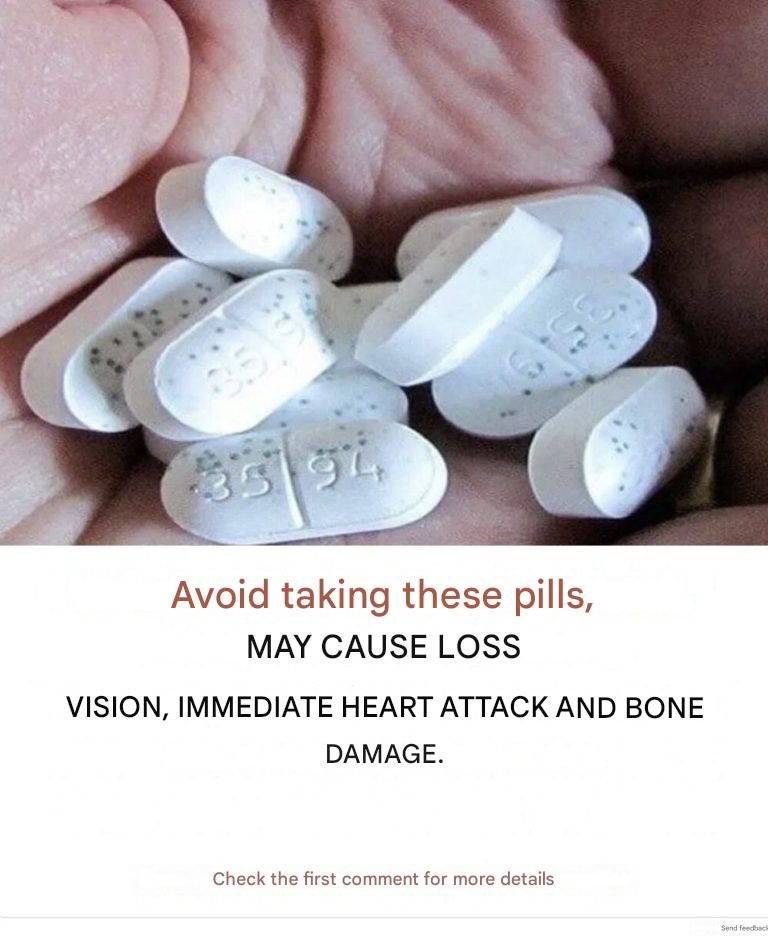
If you are concerned about a specific medication you are taking or have seen a news report about, please use the information below to guide a conversation with a doctor or pharmacist.
Which Medications Carry This Risk?
The warning you mentioned applies to several different types of medications, but the risks and reasons vary greatly.
1. Hormonal Medications (Birth Control & HRT)
-
What: Combined oral contraceptives (estrogen + progestin), patches, rings, and some Hormone Replacement Therapies (HRT).
-
The Risk: These medications can increase the risk of developing Venous Thromboembolism (VTE) , which includes Deep Vein Thrombosis (DVT) and Pulmonary Embolism (PE) (blood clots in the lungs). This risk is higher in smokers, women over 35, and those with certain genetic factors.
-
Mechanism: Estrogen can increase the liver’s production of clotting factors, making the blood slightly “thicker” or more prone to clotting.
2. NSAIDs (like Ibuprofen or Naproxen)
-
What: Non-steroidal anti-inflammatory drugs, especially when taken in high doses or for long periods.
-
The Risk: These increase the risk of heart attack and stroke. In 2015, the FDA strengthened its warning for prescription NSAIDs.
-
Mechanism: They can increase blood pressure and interfere with the protective effects of the lining of the stomach and blood vessels.
3. COX-2 Inhibitors (like Celebrex) and Prescription Painkillers
-
What: A specific class of NSAIDs.
-
The Risk: Similar to above, they carry cardiovascular risks.
4. Certain Cancer Medications and Hormone Therapies
-
What: Drugs like tamoxifen (for breast cancer) or certain immunomodulatory drugs (like lenalidomide) used for multiple myeloma.
-
The Risk: These carry a well-documented risk of thrombotic events, and patients are often put on blood thinners prophylactically.
5. Antipsychotics and SSRIs
-
What: Some antidepressants and antipsychotics have been linked to a slightly increased risk of clotting events, though the absolute risk is low.
What Should You Do If You See This Warning?
1. Do Not Stop Taking Prescription Medication Abruptly
If you are currently taking a medication and saw this warning online or on the news, do not stop taking it immediately without speaking to your doctor. Suddenly stopping certain medications (like blood thinners or heart medication) can actually increase your risk of a heart attack or stroke due to rebound effects.
2. Assess Your Personal Risk Factors
The risk of blood clots depends heavily on the individual. Your doctor weighs the benefits against the risks. Risk factors include:
-
Smoking
-
High blood pressure
-
Diabetes
-
High cholesterol
-
Family history of blood clots
-
Prolonged immobility (like long flights or bed rest)
-
Obesity
3. Know the Signs of a Blood Clot
Regardless of the medication, if you experience these symptoms, seek medical attention immediately:
-
Leg: Swelling, pain, or warmth in one leg (often the calf).
-
Lung: Sudden shortness of breath, sharp chest pain (especially when breathing deeply), coughing up blood.
-
Heart: Chest pain, pressure, pain radiating to the arm or jaw.
-
Brain: Sudden severe headache, confusion, trouble speaking, or numbness on one side of the body.
A Note on “WARNING” Headlines
Online health news can often be sensationalized. Sometimes a headline says “Drug X Causes Heart Attacks!” but the fine print reveals it was a study on mice, or the risk increase was statistically significant but clinically very small.
If you can tell me the specific name of the “tablets” mentioned in the warning you saw, I can look up the specific medical guidance for that drug.