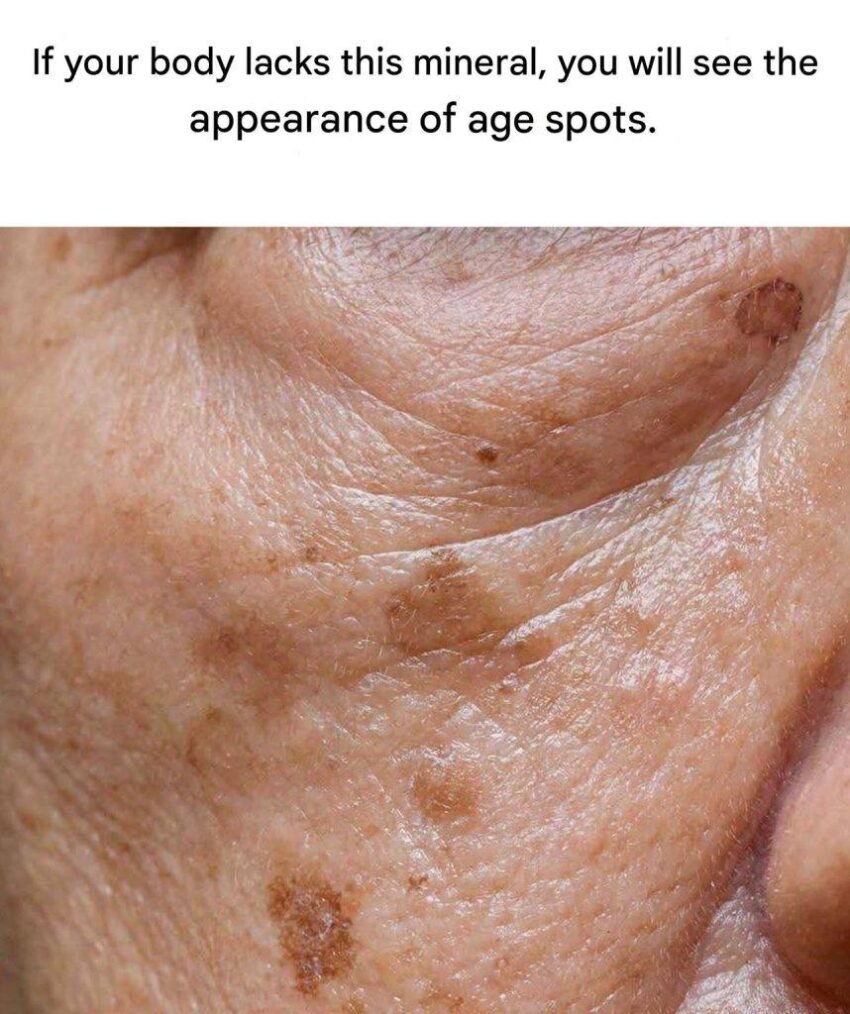
They often appear without warning on the hands, face, or décolleté. Small, brown, sometimes persistent… age spots are not uncommon. But did you know they can signal unexpected nutritional deficiencies? What if these spots are simply a selenium deficiency—a mineral still little known, yet essential for our skin?
Selenium: A Little-Known Beauty Ally
We often talk about vitamin C and collagen for beautiful skin, but selenium works behind the scenes as a discreet yet effective defender. This mineral reaches the heart of our cells, acting as an important antioxidant barrier. Its purpose? It neutralizes free radicals, those unstable molecules responsible for premature aging.
The result: in cases of deficiency, skin becomes more fragile, has less defenses, and familiar age spots find a favorable environment to settle. In the long term, this can affect the skin’s overall elasticity and vitality.
But that’s not all. Selenium also plays a role in the proper functioning of the immune system and the regulation of thyroid hormones – two key pillars of healthy skin.
How do you know if you’re getting enough selenium?
The good news: a varied and balanced diet is often enough to meet your daily requirements. The real challenge? Knowing which foods should be a priority in your meals.
Here are some selenium-rich foods you should start eating now:
Brazil nuts: Two to three a day are perfectly sufficient. They are among the foods with the highest selenium content.
Seafood, especially tuna, sardines, and halibut: perfect for a balanced and tasty dinner.
Liver: Rich in vitamins and minerals, it is a very complete food. Eggs, whole grains, and sunflower seeds are excellent natural supplements worth incorporating into your daily diet.
The trick? Diversify your sources to reap the benefits of regular consumption without overdoing it.
Dietary Supplements: A False Idea, a Good Idea?
Faced with a deficiency or the temptation of “better too much than too little,” you might think selenium supplements are a miracle solution. However, caution is advised.
Excess selenium can cause unpleasant side effects such as digestive problems, hair loss, and even nerve damage in long-term overdose. In other words, avoid self-medication and consult a doctor before taking any supplements.
It’s best to focus on natural prevention through a diet: healthy, balanced, varied, and nutrient-rich.
Simply improve your skin from the inside out.
We usually look for solutions in bottles and miracle creams. But beauty, as is often the case, begins on the plate. A small change in eating habits can work wonders: regularly taking selenium helps strengthen the skin’s natural defenses against the passage of time.
So instead of declaring war on pimples, what if we changed our strategy? By taking care of ourselves from the inside out, we give our skin what it deserves: softness, radiance, and strength.