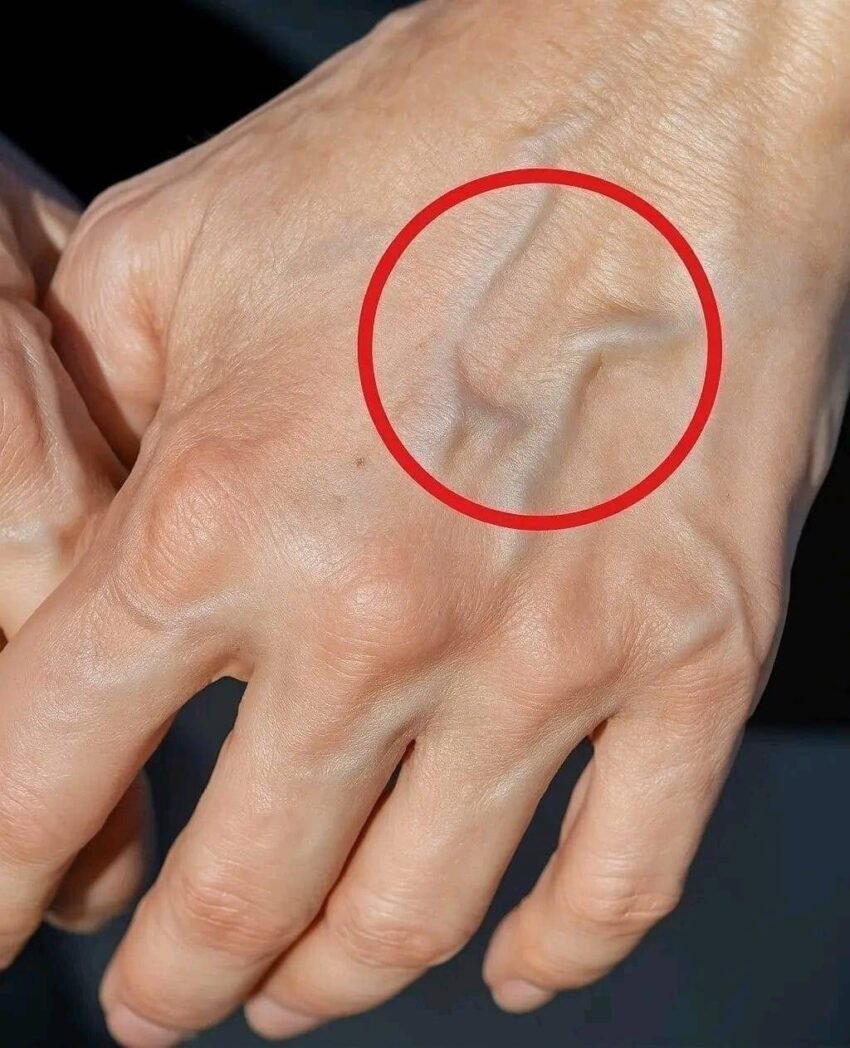
That’s a common observation, and it’s important to clarify the facts versus the myths. Having visible veins is usually a normal physiological trait, not a definitive sign of a single condition or attribute.
Here’s a breakdown of what visible veins can mean, and what they usually don’t mean:
Common, Normal Reasons for Visible Veins:
-
Low Body Fat: The most common reason. A thinner subcutaneous fat layer makes veins closer to the skin’s surface more apparent.
-
️ Exercise & Muscle Mass: Increased blood flow during exercise makes veins dilate and “pop.” Building muscle can also push veins toward the surface.
-
Genetics: Some people simply have thinner, more translucent skin or veins that are naturally closer to the surface.
-
Fair Skin Tone: Veins are more visible against lighter skin.
-
Age: Skin becomes thinner and loses collagen and fat with age, making veins more prominent.
-
Heat: Warm temperatures cause veins to dilate to help cool the body.
What It Does NOT Automatically Mean (Debunking Myths):
-
It does NOT mean you are “extremely healthy” or “unhealthy.” It’s a neutral physical characteristic.
-
It does NOT mean you have low blood pressure. In fact, visible veins offer no reliable diagnostic info about blood pressure.
-
It does NOT mean you are dehydrated. While severe dehydration can make veins less visible and collapse, prominent veins are not a sign of dehydration.
When It Can Be a Medical Sign (Look for Context):
Visible veins themselves are rarely a problem. However, sudden changes or accompanying symptoms can signal an issue:
-
Varicose Veins: Bulging, twisted, blue/purple veins, often with aching or heaviness (usually in legs).
-
Vascular Disorders: Like superficial thrombophlebitis (a inflamed, tender vein).
-
Underlying Health Conditions: In rare cases, sudden prominent veins (especially on the chest or torso) can be associated with certain conditions, but this is always diagnosed by a doctor with other symptoms.
Bottom Line: If you have always had visible veins, especially on your hands, feet, or forearms, and you feel well, it’s almost certainly a normal part of your anatomy. It’s not a report card on your fitness or health.
If you have new, painful, swollen veins or are concerned, it’s always best to consult a healthcare professional.