
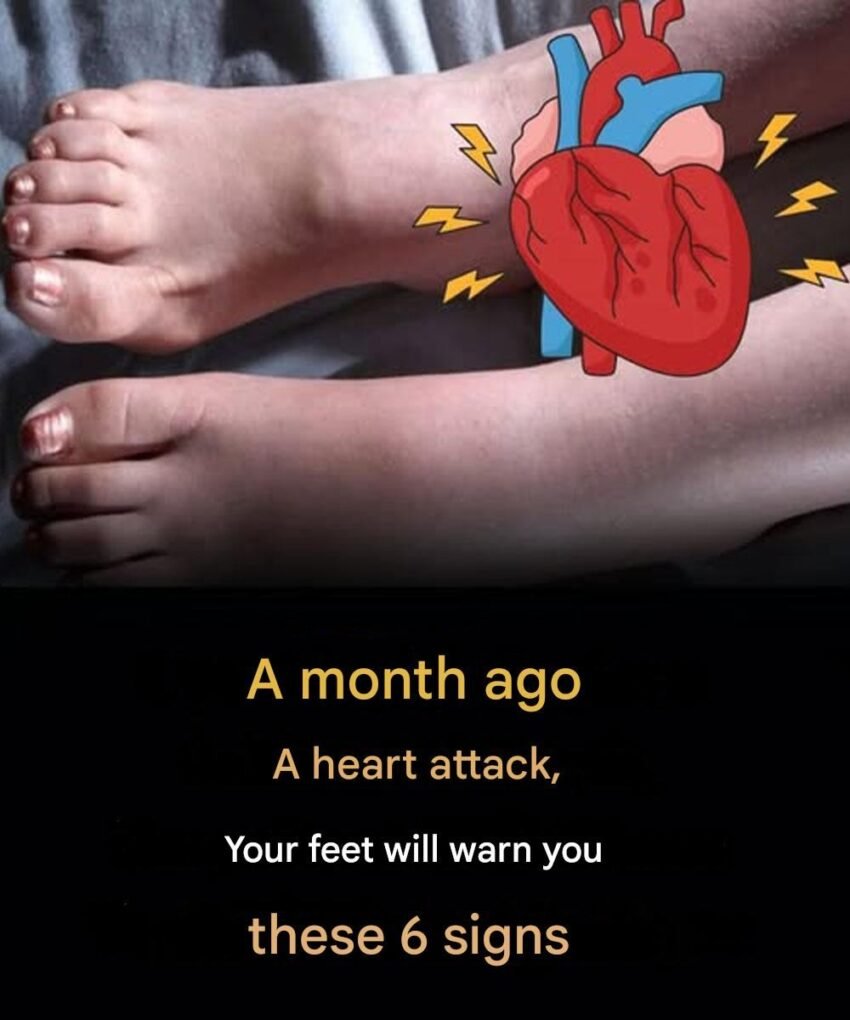
The idea that your feet warn you of a heart attack exactly one month in advance with six specific signs is a viral health myth that circulates widely on social media. While the feet can sometimes show signs of underlying cardiovascular disease, there is no scientific evidence that a predictable set of foot symptoms appear exactly one month before a heart attack.
That said, there are legitimate foot-related signs that can indicate poor circulation, peripheral artery disease (PAD), or other cardiovascular issues—and these do warrant medical attention.
Legitimate Foot Signs That May Indicate Cardiovascular Problems
| Sign | What It May Indicate | When to See a Doctor |
|---|---|---|
| Cold feet (one foot colder than the other) | Possible peripheral artery disease (PAD) or reduced blood flow | Immediately if sudden or one-sided |
| Swelling in both feet/ankles | Can indicate heart failure, kidney issues, or venous insufficiency | Within the week |
| Non-healing sores or ulcers | Poor circulation, often linked to PAD or diabetes | As soon as noticed |
| Shiny, hairless skin on lower legs/feet | Chronic reduced blood flow | Schedule an appointment |
| Blue or purple discoloration | Lack of oxygenated blood; possible circulation blockage | Seek medical attention promptly |
| Pain in calves/feet when walking that stops with rest | Classic symptom of peripheral artery disease (claudication) | Schedule an appointment |
Why This Myth Is Dangerous
Viral posts promising “one month warning signs” can cause two problems:
-
False reassurance — Someone experiencing a heart attack without those specific foot signs may ignore chest pain, shortness of breath, or other urgent symptoms.
-
Delayed care — Someone who does have foot symptoms may assume they have a full month to act, rather than seeking evaluation promptly.
Real Heart Attack Warning Signs
If you or someone else experiences any of these, call emergency services immediately:
-
Chest discomfort (pressure, squeezing, fullness, or pain)
-
Shortness of breath
-
Pain or discomfort in one or both arms, back, neck, jaw, or stomach
-
Cold sweat, nausea, or lightheadedness
Women are more likely than men to experience subtler symptoms like fatigue, nausea, or jaw/back pain without obvious chest pain.
When to See a Doctor About Foot Symptoms
You don’t need to wait for a “one month” warning. See a doctor if you notice:
-
New or worsening swelling in feet/ankles
-
Persistent coldness in one foot compared to the other
-
Changes in skin color (blue, purple, pale, or dark)
-
Sores that don’t heal within a few days
-
Pain in your legs or feet when walking that goes away with rest
These can be signs of peripheral artery disease, venous insufficiency, or heart failure—all of which are treatable, especially when caught early.