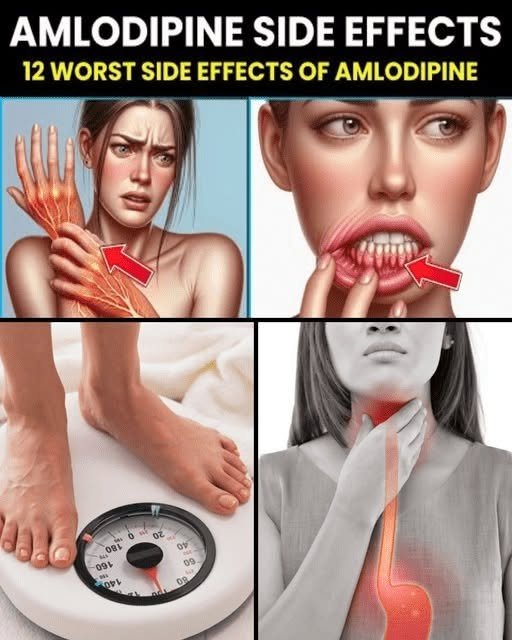
Here are the 12 worst side effects of amlodipine that you should never ignore, organized from what requires a call to your doctor to what requires emergency care.
Never Ignore: Call Your Doctor About These
These side effects are troubling and warrant a conversation with your doctor to adjust your dose or change medications, but they are not typically a 911 emergency.
1. Severe, Persistent Swelling (Edema)
This is the most common reason people stop taking amlodipine. It’s a result of the drug widening your small blood vessels. Don’t ignore it when: the swelling in your feet, ankles, or hands becomes painful, makes it hard to walk or put on shoes, or doesn’t improve overnight. It can also cause “dependent edema,” swelling in the lower back if you’re bedridden.
2. Intense, Pounding Heart Palpitations
Some people feel their heart racing or pounding forcefully in their chest. While a slight increase is possible as the body adjusts, don’t ignore it when: the sensation is frightening, persistent, or makes you feel anxious and short of breath. It could be a sign of reflex tachycardia.
3. Dizziness and Lightheadedness That Lead to Falls
Amlodipine lowers blood pressure, which can cause orthostatic hypotension—a sudden drop in BP when standing. Don’t ignore it when: you feel like you’re going to faint, your vision tunnels, or you’ve actually fallen. This is a major fall risk, especially for older adults.
4. Extreme Fatigue and Lethargy
While mild tiredness can happen, don’t ignore it when: the fatigue is crushing, prevents you from doing daily activities, or is accompanied by muscle weakness. This could indicate your blood pressure is dropping too low or your body is reacting poorly.
5. Gum Overgrowth (Gingival Hyperplasia)
This is a unique, delayed side effect. Your gums can become thick, swollen, and start growing over your teeth. Don’t ignore it when: you notice your gums are puffy, bleed easily, or are visibly enlarging. It’s painless but reversible only if caught early. Meticulous oral hygiene is key, but a medication change may be needed.
6. Worsening Chest Pain (Angina) or a Heart Attack
In very rare cases, especially when starting the drug or increasing the dose, amlodipine can paradoxically cause worse or more frequent angina. Never ignore chest pain that is new, more intense, or happens at rest.
Never Ignore: Seek Emergency Care Immediately (Call 911)
These are signs of a true medical emergency—a severe allergic reaction or acute organ damage.
7. Difficulty Breathing or Swallowing
This is a hallmark sign of anaphylaxis. You might feel your throat closing, develop a hoarse voice, or struggle to get air in. This requires immediate epinephrine and emergency care.
8. Swelling of the Face, Lips, Tongue, or Throat (Angioedema)
Unlike common ankle swelling, this is an allergic reaction that causes rapid, deep swelling, often around the eyes and mouth. If the swelling involves the tongue or throat, it can block your airway.
9. Severe Skin Reaction (Stevens-Johnson Syndrome)
Look for a painful red or purplish rash that spreads and blisters, especially on the mucous membranes (mouth, eyes, genitals). It often feels like a burn and may be preceded by fever and body aches. This is a life-threatening medical emergency.
10. Intense Stomach Pain with Nausea
This could point to pancreatitis (inflammation of the pancreas) or a severe liver reaction. The pain is usually a persistent, boring ache in the upper abdomen that may radiate to your back.
11. Yellowing of the Skin or Eyes (Jaundice)
This is a direct sign that your liver is under severe stress or failing. It’s often accompanied by dark urine, light-colored stools, and severe fatigue. Acute liver injury is a rare but devastating reaction.
12. Fainting (Syncope)
This goes beyond feeling dizzy. A complete, temporary loss of consciousness means your blood pressure has dropped to a critically low level, preventing your brain from getting enough oxygen. It requires an immediate evaluation to rule out a dangerous heart rhythm or an overdose.
A Final Critical Note: Never stop amlodipine or any blood pressure medication abruptly without a doctor’s direct supervision. Stopping suddenly can cause a dangerous rebound spike in your blood pressure. If you experience any of these side effects, your doctor needs to create a safe plan to switch to an alternative medication.