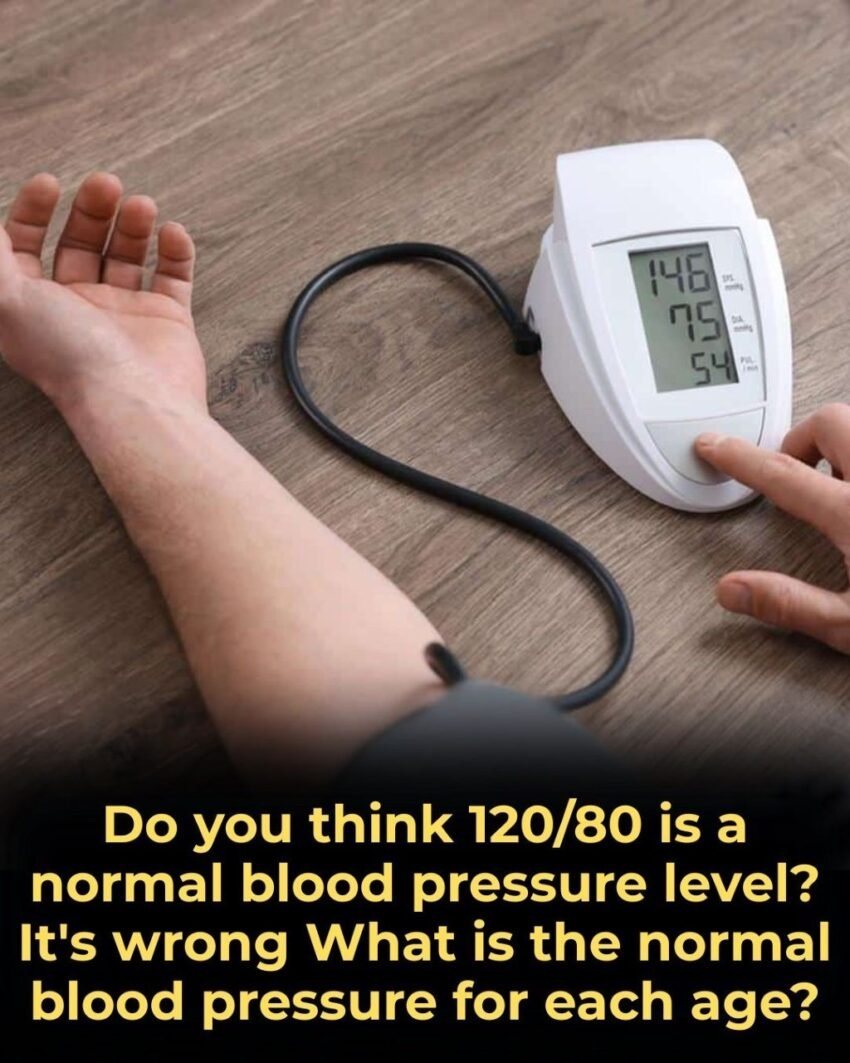
It’s important to know that while blood pressure can change over a lifetime, the definition of “normal” or “healthy” blood pressure does not change significantly with age for adults.
The widely accepted medical guidelines are based on cardiovascular risk, not age. Using age as the main guide for what’s “normal” is a common misconception and can be dangerous, as it may lead to accepting unhealthy high blood pressure as “normal for my age.”
Here are the current guidelines from the American Heart Association (AHA) and American College of Cardiology (ACC), which are used by most major health organizations.
Blood Pressure Categories for Adults (18+)
| Category | Systolic (top number) | and | Diastolic (bottom number) |
|---|---|---|---|
| Normal | Less than 120 mm Hg | and | Less than 80 mm Hg |
| Elevated | 120-129 mm Hg | and | Less than 80 mm Hg |
| High Blood Pressure (Hypertension) Stage 1 | 130-139 mm Hg | or | 80-89 mm Hg |
| High Blood Pressure (Hypertension) Stage 2 | 140 mm Hg or higher | or | 90 mm Hg or higher |
| Hypertensive Crisis | Higher than 180 mm Hg | and/or | Higher than 120 mm Hg |
Goal: For almost all adults, regardless of age, the treatment goal is to sustain a blood pressure under 130/80 mm Hg.
How Blood Pressure Trends With Age
While the target is the same, the average measured blood pressure tends to rise with age due to factors like stiffening arteries. This is why the misconception exists. Here’s a more nuanced look:
-
Children & Adolescents: Normal ranges vary by a child’s age, height, and sex. Pediatricians use specific percentile charts. Generally, it’s much lower than in adults.
-
Young Adults (18-39): Typically have pressure in the Normal range (e.g., 110/70, 115/75). Elevated readings in this group are a strong warning sign to improve lifestyle.
-
Middle-Aged Adults (40-59): Blood pressure often begins to creep up. It’s common to see more people in the Elevated or Stage 1 categories. This is a critical window for lifestyle intervention.
-
Older Adults (60+): Isolated systolic hypertension (where only the top number is high, e.g., 150/70) becomes very common due to arterial stiffness. This is still not “normal” or safe. Treating it significantly reduces the risk of stroke, heart attack, and cognitive decline.
Important Considerations
-
Individual Variation: A “normal” pressure for one healthy 70-year-old might be 118/75, while another might naturally run at 105/65. The key is staying in the healthy category.
-
Measurement is Key: A single high reading doesn’t mean you have hypertension. Diagnosis requires multiple readings taken at different times, often with home monitoring.
-
Consult Your Doctor: Targets can be individualized. For example, a very frail older adult may have a slightly different goal. Never adjust medication based on age-based assumptions.
-
Lifestyle is Foundation: At any age, maintaining a healthy weight, eating a low-sodium diet (like DASH), regular exercise, managing stress, and limiting alcohol are the first and most important steps to healthy blood pressure.
Simple Summary
-
For Adults 18+: Aim for a blood pressure under 120/80 mm Hg.
-
If you’re over 120/80, it’s time to discuss lifestyle changes with your doctor.
-
A reading of 130/80 mm Hg or higher is officially considered high blood pressure at any adult age and requires medical attention.
Disclaimer: This information is for educational purposes only. Always consult with your healthcare provider for diagnosis, treatment plans, and personalized targets for your blood pressure.