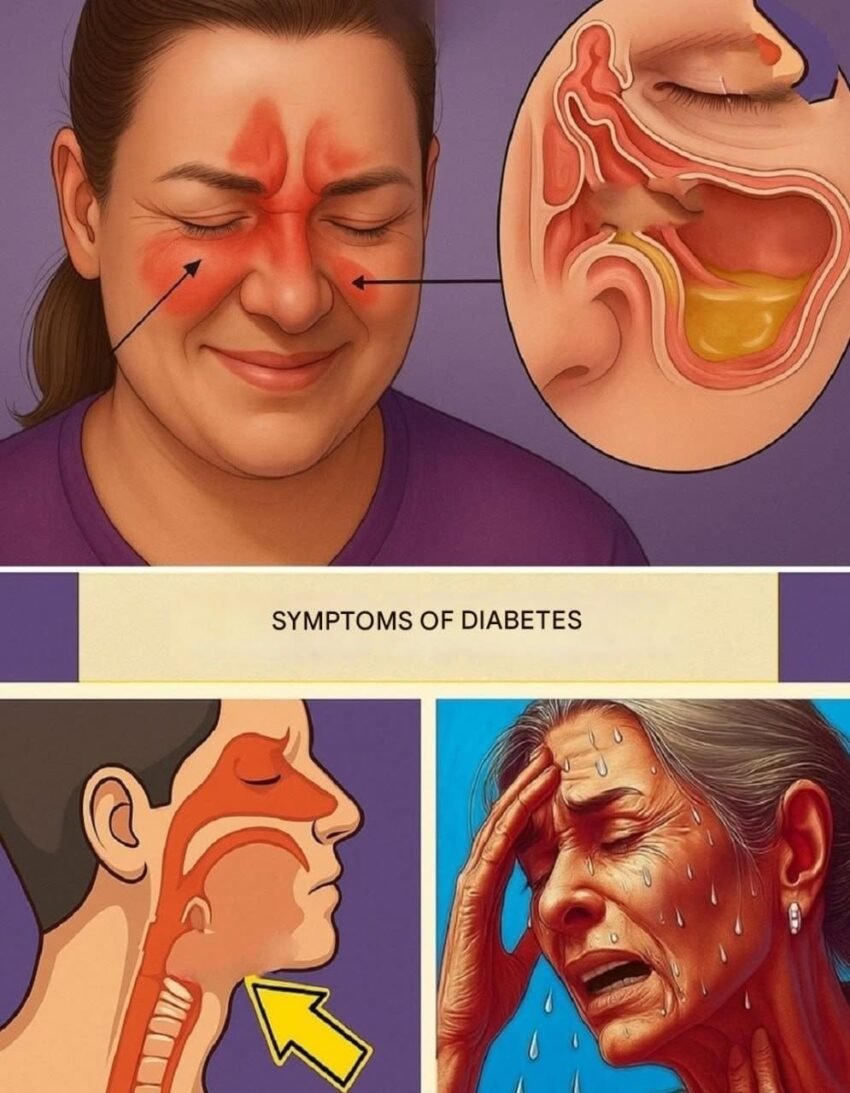
Type 2 diabetes often develops silently over years, and many people have no idea until damage is already underway. The warning signs are subtle and easy to dismiss. Here are seven that warrant attention.
1. Increased Thirst and Frequent Urination
What happens: Excess sugar builds up in your bloodstream, and your kidneys work overtime to filter and absorb it. When they can’t keep up, the sugar spills into your urine, pulling fluids along with it. This triggers constant thirst and more trips to the bathroom—especially at night.
What to watch for: Waking up multiple times during the night to urinate, a thirst that feels unquenchable, drinking far more water than usual without feeling satisfied.
2. Unexplained Weight Loss
What happens: When your body can’t use glucose for energy properly, it starts burning fat and muscle instead. This can lead to noticeable weight loss despite eating the same amount—or even more—than usual.
What to watch for: Losing weight without trying, especially if it’s 10 pounds or more over a few months. This is more common in type 1 diabetes but can occur in type 2 as well.
3. Constant Fatigue
What happens: Without enough insulin or insulin function, glucose stays trapped in your bloodstream instead of entering your cells to fuel your body. The result is a deep, persistent exhaustion that sleep doesn’t fix.
What to watch for: Feeling unusually tired after meals, struggling through daily tasks, brain fog, and irritability that doesn’t improve with rest.
4. Blurred Vision
What happens: High blood sugar pulls fluid from the lenses of your eyes, distorting their shape and ability to focus. This can come and go as blood sugar fluctuates.
What to watch for: Sudden or intermittent blurry vision, difficulty reading, or trouble focusing on screens. Many people get new glasses before discovering the real cause.
5. Slow-Healing Wounds and Frequent Infections
What happens: High blood sugar impairs circulation, damages nerves, and weakens the immune system. This means cuts, sores, and infections—especially of the skin, gums, and urinary tract—take far longer to heal or keep returning.
What to watch for: A small cut that lingers for weeks, repeated yeast infections (in women or men), boils, or gum disease that doesn’t respond to treatment.
6. Tingling or Numbness in Hands and Feet
What happens: Elevated blood sugar damages nerve fibers over time, usually starting in the furthest extremities. This condition, known as diabetic neuropathy, often begins subtly.
What to watch for: Tingling, numbness, burning sensations, or a pins-and-needles feeling in the fingers or toes. It often comes on gradually and symmetrically on both sides.
7. Darkened Skin Patches (Acanthosis Nigricans)
What happens: High insulin levels—the hallmark of insulin resistance—can trigger skin cells to grow abnormally, creating velvety, darkened patches in body folds.
What to watch for: Dark, soft, velvety skin at the neck, armpits, groin, or knuckles. These patches aren’t dirty; they don’t scrub away and are a powerful visible signal of prediabetes or diabetes.
When to See a Doctor
One or two of these symptoms alone doesn’t guarantee diabetes, but the more you check off, the more urgent the need for testing. See your doctor promptly if you notice:
-
Multiple symptoms from this list
-
A strong family history of diabetes
-
You’re over 45 and haven’t been screened
-
You have a history of gestational diabetes
-
You carry extra weight, particularly around the abdomen
The Tests You Need
A simple blood test can catch diabetes or prediabetes early, sometimes even reversing it with lifestyle changes.
| Test | What It Shows |
|---|---|
| A1C | Average blood sugar over 2–3 months. 5.7–6.4% = prediabetes; 6.5%+ = diabetes |
| Fasting Blood Sugar | Sugar after not eating for 8+ hours. 100–125 mg/dL = prediabetes; 126+ = diabetes |
| Oral Glucose Tolerance Test | How your body processes a measured glucose drink over 2 hours |
Good News: Early Detection Matters
Prediabetes and even early type 2 diabetes are often reversible or manageable with changes like:
-
Regular movement (even a 15-minute walk after meals helps)
-
Reducing refined carbohydrates and sugary drinks
-
Weight loss of just 5–7% if overweight
-
Managing stress and sleep
This information pairs closely with the dry mouth at night you asked about earlier—both can be silent signals worth taking seriously. If you’re checking off a few of these signs, a conversation with your doctor is the most valuable next step.