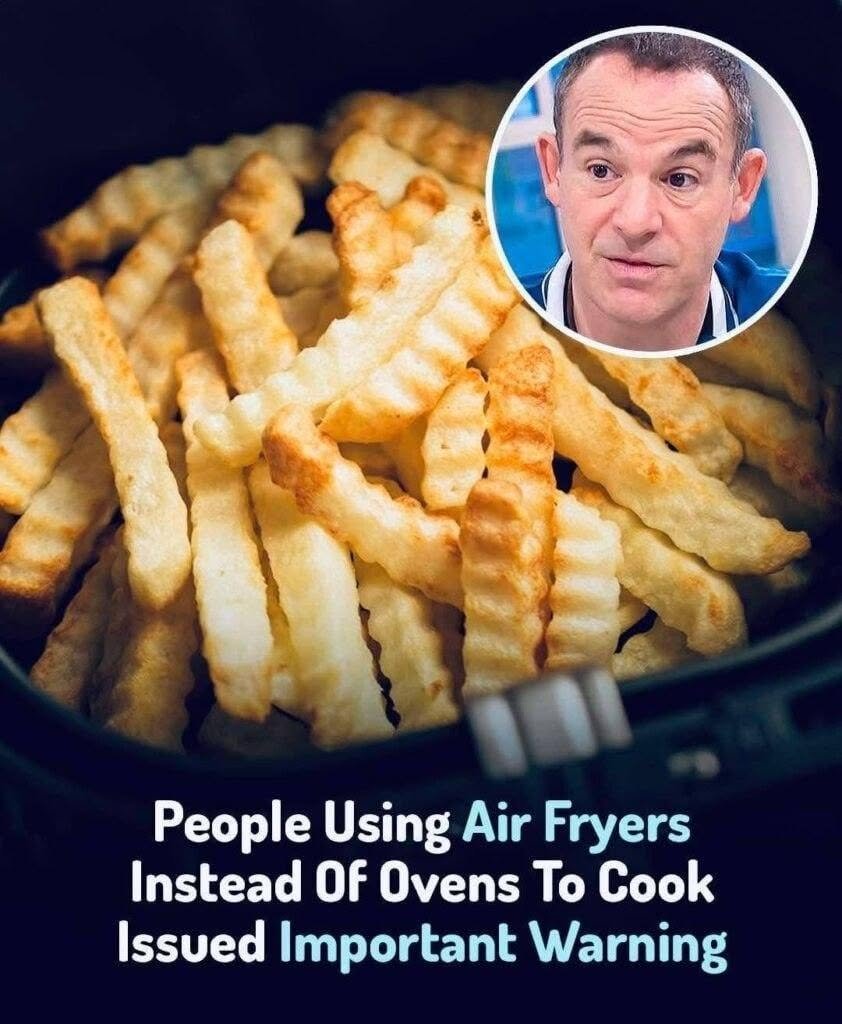
he air fryer vs. oven debate is everywhere, and while air fryers are brilliant tools, the “caution” from experts isn’t about them being dangerous—it’s about the misleading idea that they’re a perfect, one-to-one replacement for a conventional oven in all situations.
The real risks are about food quality, food safety, and setting yourself up for disappointment.
Here’s a breakdown of what culinary scientists, food safety experts, and recipe developers actually caution against, framed as the key limitations where an air fryer falls short of a conventional oven.
The Core of the Caution: An Air Fryer is a Small, Hyper-Efficient Convection Oven
Understanding this is key. Its “magic” is its size and fan speed. It preheats fast and blasts food with intense, dry heat in a very small space. This is a strength for some things, and a critical weakness for others.
The 5 Critical Warnings from the Experts
1. The Danger of Overcrowding (The Food Safety & Quality Risk)
This is the number one mistake and a legitimate food safety concern. A conventional oven has a large volume of hot air. An air fryer’s small basket relies entirely on unimpeded airflow around every piece of food to cook it safely and create a crisp crust.
-
The Risk: If you pile food in, the hot air can’t circulate. You end up with unevenly cooked food, with some parts burnt and others potentially not reaching a safe internal temperature. You are no longer “air frying”—you’re steaming in a hot, cramped space.
-
The Expert Take: Treat the air fryer like a powerful tool for 1-4 servings. If you’re cooking for a family of five, the oven remains the safer, more effective tool for consistent results.
2. The Wet Batter Catastrophe (The Mess & Technique Failure)
This is where the air fryer’s physics spectacularly fails. The intense, cyclonic air will not set a liquid batter the way a vat of hot oil does.
-
The Risk: Pouring a tempura or beer batter into an air fryer basket results in the batter being blown off the food before it can cook. It drips through the basket onto the heating element, creating a massive, acrid smoke and a terrible mess.
-
The Expert Take: An air fryer is magnificent for breaded foods (flour-egg-breadcrumb) where the crust is dry. For a true wet-battered fish and chips or corn dog, a deep fryer or the oven’s broiler for a pre-made version is the only appropriate tool.
3. The False Promise of Baking (The Chemistry Problem)
Baking is a precise science. Conventional ovens provide a gentle, stable, radiant heat that allows structures to set. An air fryer’s intense, forced-air heat is a violent event for a delicate batter.
-
The Risk: Cakes can dome and then collapse in the center because the outside sets too fast. Delicate items like soufflés or custards (flan, crème brûlée) will be ruined by the violent air blowing across their surface.
-
The Expert Take: An air fryer is excellent for baking sturdy, high-moisture items like brownies, cornbread, or a small batch of cookies. It is not a replacement for a conventional oven for a classic layer cake, a custard, or artisan-style bread that needs steam and steady heat.
4. The Dehydration of Large Cuts of Meat
The air fryer’s superpower is in cooking small, fatty proteins (chicken wings, thighs) perfectly. It’s a celebrated “steak machine” for two. However, for a large centerpiece protein, it can be an enemy.
-
The Risk: A large, lean roast (like a pork loin or beef tenderloin) can develop a tough, dry, jerky-like exterior before the center is even close to medium-rare. The intense heat relentlessly pulls moisture from the surface.
-
The Expert Take: For a 4-pound chicken or a large Sunday roast, the more gentle, temperature-controlled environment of a conventional oven is the correct tool. The air fryer is a tool for portions, not platters.
5. The Ingredient Ignition Point (The Safety Warning)
This is a non-obvious but critical caution. The air fryer’s powerful fan can lift lightweight items up into the red-hot heating element.
-
The Risk: A single leaf of kale or a light sprinkle of shredded parmesan cheese on top of your food can get caught in the cyclone and sucked up. It hits the element, instantly ignites, and causes a small fire and a horrible smell.
-
The Expert Take: When topping food with cheese, always try to tuck it in or use heavier pieces. When making kale chips, don’t overload the basket, and cook at a lower temperature. Never leave a running air fryer unattended for the first minute with foods that have light, loose particles.
The Balanced Verdict (What Experts Actually Want You To Know)
No expert is telling you to abandon your air fryer. The caution is simple: Don’t let the hype trick you into abandoning your oven, which is still a precision appliance for specific tasks.
The right question to ask isn’t “Can I air-fry this?” It’s: “Is the food I’m making best cooked with the intense, small-batch, dehydrating wind of an air fryer, or the gentle, enveloping, large-format heat of an oven?”
That’s the most useful, non-sensational way to think about it. Is there a specific dish you were planning to make that prompted this question?