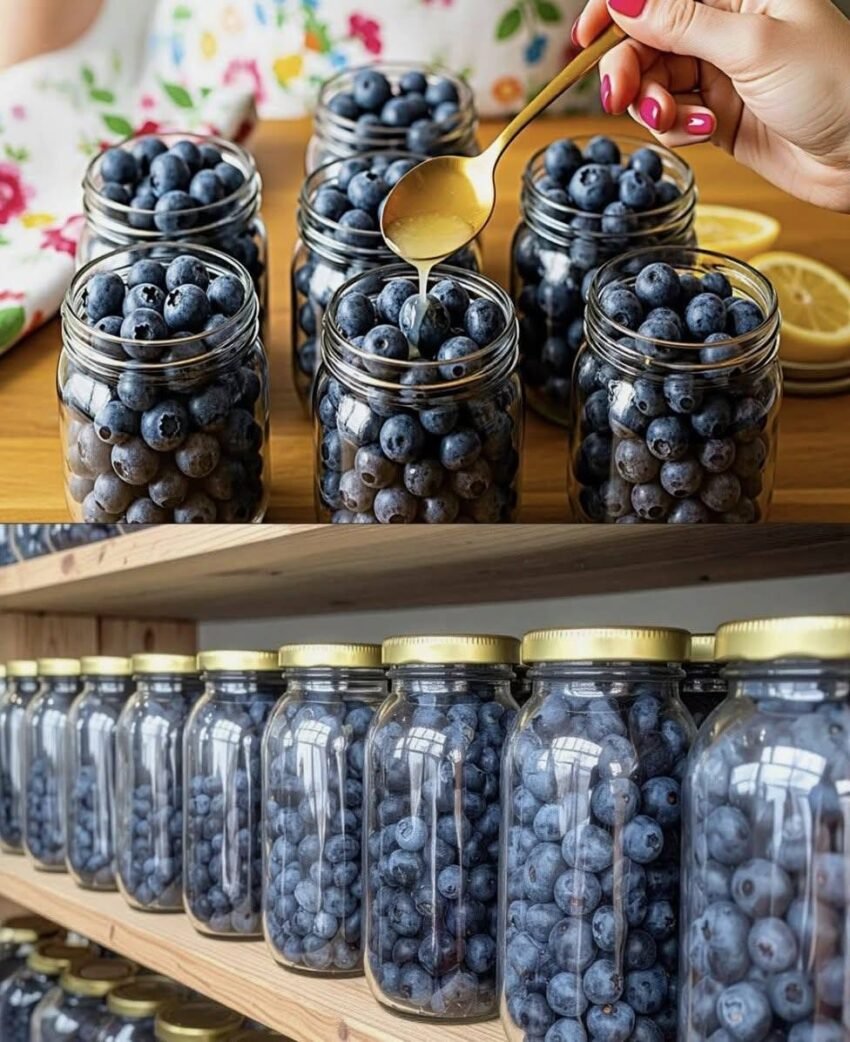
Here is the definitive guide to choosing your preservation method based on what you want to use them for later.
The Critical First Step for ALL Methods
Before you do anything, you must sort and, depending on the method, wash.
-
Sort: Dump the berries onto a sheet pan. Remove any that are squished, moldy (one bad berry will flavor the whole batch), or hard and green. Also remove any stray stems.
-
To Wash or Not to Wash: For freezing methods, many sources say not to wash, as the water can cause toughening of the skin and ice crystal formation. The modern consensus is it’s fine to wash if and only if you dry them obsessively. The best approach is a quick rinse in a diluted vinegar solution (1 part white vinegar to 3 parts water) to kill mold spores, then a gentle rinse in plain water, followed by a thorough, pat-them-dry session on clean kitchen towels. They must be bone-dry.
Method 1: The Individually Quick Frozen (IQF) Powerhouse
Best For: Smoothies, baking (muffins, pancakes), oatmeal, sauces. This is the method that gives you loose, free-flowing berries instead of a solid block.
Shelf Life: Up to 12 months.
This is your workhorse preservation technique.
-
Pre-Chill: Place a rimmed baking sheet in the freezer for 15 minutes. A cold pan helps them freeze faster.
-
Single Layer: Spread your clean, bone-dry blueberries in a single layer on the cold baking sheet. They must not touch.
-
Open Freeze: Place the tray in the freezer, making sure it’s level, for 2-4 hours until the berries are rock-hard.
-
Pack: Quickly transfer the frozen berries to a heavy-duty freezer bag or a vacuum-sealed bag. Squeeze out as much air as possible. (Vacuum sealers are the arch-nemesis of freezer burn and are a worthy investment here).
-
The “Why It Works”: They freeze individually, so you can later pour out exactly half a cup for pancakes without thawing a whole brick. You use them directly from frozen.
Method 2: The Sugar-Pack (Macerated Freezing)
Best For: Spooning over ice cream, cheesecake, yogurt, or making a quick cobbler. This creates a syrupy, “pie filling” experience.
Shelf Life: 6-8 months.
-
Layer: Gently toss clean, dry berries with granulated sugar (a ratio of about 1 cup sugar for every 4 cups berries is a good starting point).
-
Pack: Pack the mixture tightly into a freezer-safe container or jar, leaving about ½ inch of headspace for expansion. The sugar will draw out the berries’ natural juices, creating a thick, sweet syrup that protects them.
-
Freeze: Seal and freeze. The berries will be soft when thawed, but they are swimming in an intensely flavorful, ready-to-use syrup that is pure gold.
Method 3: Dehydration (The Chewy “Raisin” Route)
Best For: Trail mix, granola, cereal, baked goods where you want a chewy texture without added moisture.
Shelf Life: 6-12 months if stored properly in an airtight container in a cool, dark pantry.
-
The “Check” (Mandatory Step): A blueberry’s waxy skin prevents moisture from escaping easily. To dry them successfully, you must create an opening. You can either:
-
Blanch: Drop them in boiling water for 30 seconds, then an ice bath. The skin will develop tiny cracks.
-
Pierce: Painstakingly poke a tiny hole in each berry with a toothpick or the tip of a paring knife.
-
-
Dehydrate: Spread the berries in a single layer on dehydrator trays or on a parchment-lined baking sheet.
-
Dehydrator: 135°F (57°C) for 10-18 hours. They’re done when leathery, slightly sticky, but no longer squishy.
-
Oven: Set to the lowest possible temperature (ideally 140-170°F / 60-75°C). Prop the door open slightly with a wooden spoon for airflow. This can take 8-12 hours.
-
-
Condition: Place the cooled, dried blueberries loosely in a glass jar, seal, and shake once a day for a week. If any condensation appears inside the jar, they aren’t dry enough and need more time in the dehydrator. This step prevents mold.
Method 4: The Flavor Condenser (Blueberry Jam or Shrub)
Best For: Preserving the essence, not the shape.
-
Small-Batch Refrigerator Jam: Cook berries with sugar and a squeeze of lemon until thick and glossy. Store in the fridge for 3 weeks, or water-bath can for shelf-stable jars lasting a year.
-
Blueberry Shrub (Drinking Vinegar): Macerate blueberries in sugar to form a syrup, strain, and mix the syrup with an equal amount of apple cider vinegar. This is a historical preservation method that creates a tangy, complex syrup for cocktails or sparkling water.
The Critical Truth About Freezing
No matter what you do, a thawed blueberry will never have the firm, snappy pop of a fresh one. Freezing creates ice crystals that rupture the fruit’s cell walls. This is not a failure; it’s a physical reality. The IQF method gets you closest, but mentally categorize thawed berries as a “baking and blending” ingredient, and you’ll be thrilled. Treat them as a fresh-eating berry, and you’ll be disappointed.
Do you have a specific end-use in mind (like muffin-baking or yogurt-topping)? I can point you to the exact best method.