
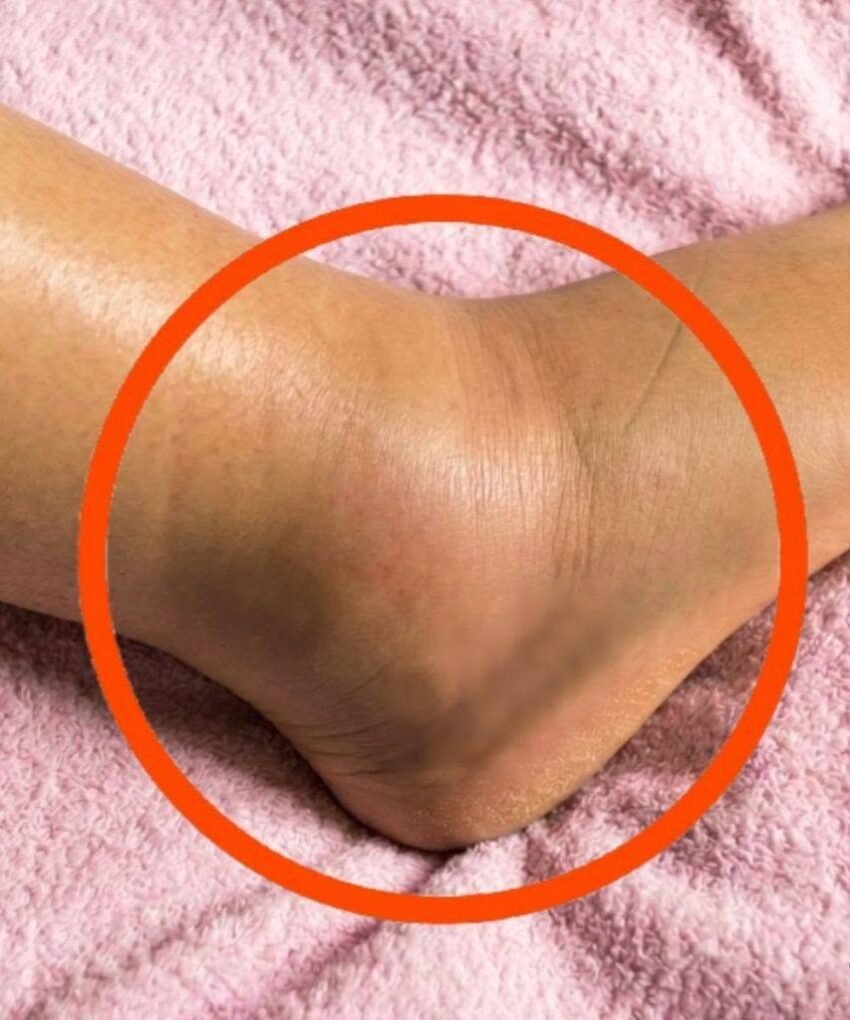
Leg swelling (peripheral edema) is never something to just ignore. It’s your body’s way of signaling that fluid is accumulating in the tissues, and the cause can range from a benign lifestyle issue to a life-threatening emergency. The single most critical task is to figure out if it’s one leg or both legs, because that points to completely different underlying problems.
Here is a framework for understanding what you might be seeing, designed to help you have an informed conversation with a healthcare provider immediately.
The First & Most Critical Decision: One Leg or Both?
This is the most important diagnostic clue.
Scenario A: ONE Leg is Swollen (Unilateral)
This is generally considered more immediately dangerous.
-
Deep Vein Thrombosis (DVT): The Emergency to Rule Out. This is a blood clot in a deep vein, often in the calf or thigh. The swelling is typically accompanied by pain, tenderness, warmth, and reddish or discolored skin. A DVT is a medical emergency because the clot can break free and travel to your lungs (pulmonary embolism), which can be fatal.
-
Infection/Cellulitis: The leg will be red, hot, painfully swollen, and may have a spreading rash. You might have a fever.
-
Venous Insufficiency: A chronic issue where the valves in your leg veins are weak, making it hard for blood to return to the heart. This often causes swelling by the end of the day that improves overnight, along with varicose veins, itching, and a heavy ache.
-
Lymphedema: Swelling from a blockage in the lymphatic system, sometimes after cancer surgery or radiation.
Scenario B: BOTH Legs are Swollen (Bilateral)
This often points to a whole-body (systemic) issue.
-
Congestive Heart Failure (CHF): The heart is too weak to pump blood efficiently. Fluid backs up into the lungs and the body, causing “pitting” edema (when you press on the swelling, it leaves a dent for a few seconds) in both legs, often along with shortness of breath, fatigue, and a dry cough that’s worse when lying down.
-
Kidney Disease: Damaged kidneys can’t filter sodium and water properly. Fluid builds up, causing generalized swelling (often around the eyes in the morning, then settling in the legs as the day goes on).
-
Liver Disease (Cirrhosis): A failing liver produces less albumin, a protein that keeps fluid in your blood vessels. The fluid leaks out, often causing leg swelling and a distended abdomen (ascites).
-
Medication Side Effects: A very common and often overlooked cause. Classic offenders include calcium channel blockers (like amlodipine for blood pressure), NSAIDs (ibuprofen, naproxen), some diabetes drugs, hormones (estrogen, testosterone), and corticosteroids.
What to Do Right Now: The “Pitting Edema” Self-Check
This is a quick observation you can do at home, not a diagnosis:
-
Press the pad of your finger firmly into the swollen area on your shin or ankle for 5-10 seconds.
-
Remove your finger and observe.
-
Pitting Edema: If a deep indentation remains that slowly fills back in, this is classic for CHF, kidney, or liver-related fluid overload.
-
Non-Pitting Edema: If the skin bounces right back and feels thick or hard, this is more typical of lymphedema or a thyroid condition.
-
The Non-Negotiable Guidance
-
Go to the Emergency Room or call your local emergency number immediately if: The swelling is in one leg and is painful, warm, and red (suspected DVT), or if you have leg swelling along with sudden shortness of breath, chest pain, or coughing up blood (possible pulmonary embolism).
-
See a doctor urgently (within 24 hours) if: The swelling is in both legs and is new or getting worse, especially if accompanied by shortness of breath, rapid weight gain over a few days, or decreased urination.
-
Schedule a doctor’s appointment soon if: You have mild, chronic swelling that gets worse during the day and disappears overnight, especially if you have known varicose veins.
And a critical warning: Do not self-treat with diuretics (“water pills”) without a doctor’s direct supervision. If the swelling is from heart or kidney failure, the wrong treatment can worsen your kidney function or cause dangerous electrolyte imbalances.
This is a symptom that demands professional eyes and hands-on evaluation. Please take it seriously.