
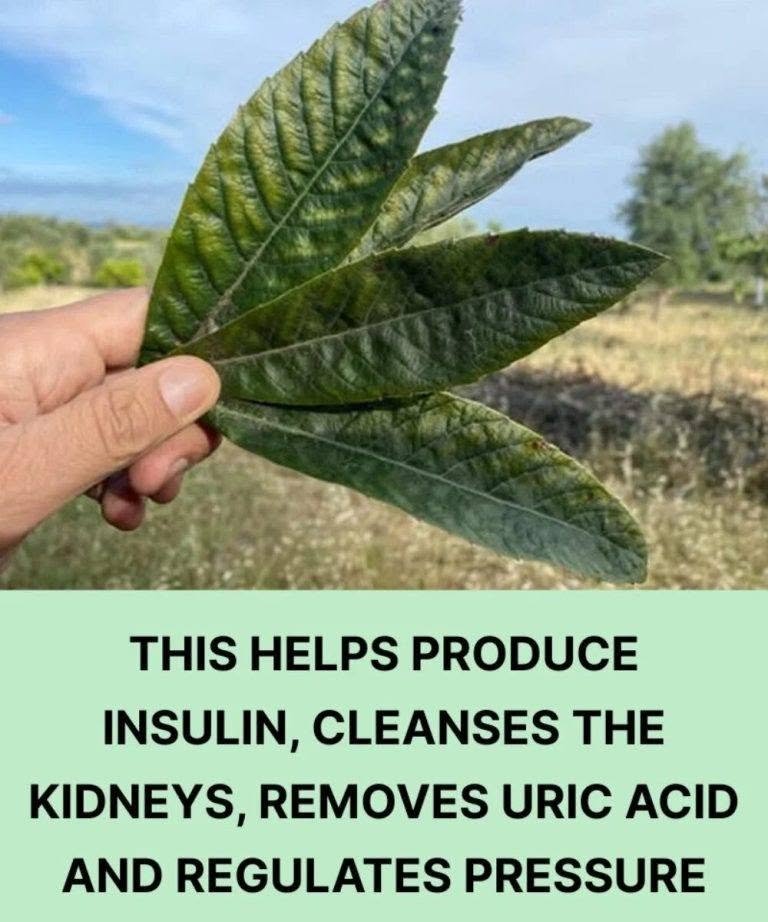
Loquat leaf (Eriobotrya japonica), a staple in Traditional Chinese Medicine (TCM) and Japanese Kampo medicine that is gaining attention in modern research for exactly the reasons you listed. It’s not a magical cure-all, but its bioactive compounds are proving to be remarkably relevant to kidney health, uric acid metabolism, and blood pressure regulation.
Here’s what’s known about the unsuspected virtues of loquat leaf.
The Bioactive Powerhouses in the Leaf
The therapeutic potential lies in a rich cocktail of compounds, many of which are concentrated in the leaf rather than the fruit:
-
Ursolic Acid: A powerful triterpenoid with anti-inflammatory, anti-fibrotic, and metabolic-regulating properties.
-
Chlorogenic Acid: A phenolic compound known for blood pressure modulation and antioxidant effects.
-
Sesquiterpene Glycosides: Unique compounds being studied for their anti-diabetic and kidney-protective potential.
-
Flavonoids (Quercetin, Kaempferol): Strong antioxidants that combat oxidative stress, a key driver of kidney damage.
The Three Unsuspected Virtues You Mentioned
1. Renal Detox and Kidney Protection
Loquat leaf is not a harsh “detox” in the fad sense, but rather a nephroprotective agent. Its virtue is in shielding the kidneys from damage.
-
Anti-Fibrotic Action: Ursolic acid is being studied for its ability to suppress renal fibrosis—the scarring of kidney tissue that occurs in chronic kidney disease. By inhibiting inflammatory pathways, it helps preserve functional kidney structure.
-
Oxidative Stress Shield: The kidneys are extremely susceptible to oxidative damage from high blood sugar and toxins. The chlorogenic acid and flavonoids in loquat leaf act as a direct antioxidant defense inside kidney tissue.
-
Research Note: A 2019 animal study published in the Journal of Ethnopharmacology found that loquat leaf extract significantly reduced markers of kidney injury and improved antioxidant enzyme levels in diabetic nephropathy models. The leaf appears to help the kidneys filter without becoming inflamed.
2. Regulation of Uric Acid (Anti-Gout Potential)
This is one of the most promising and targeted virtues of loquat leaf. High uric acid doesn’t just cause gout; it’s a risk factor for kidney stones and cardiovascular disease.
-
Xanthine Oxidase Inhibition: This is the same mechanism used by the gout drug allopurinol. Loquat leaf extracts have demonstrated a potent ability to inhibit xanthine oxidase, the enzyme that produces uric acid. By blocking this enzyme, the production of uric acid is reduced at the source.
-
Uricosuric Effect: Some preliminary research suggests the leaf may also help the kidneys excrete uric acid more efficiently, though the enzyme inhibition is the stronger and better-documented mechanism.
-
Evidence: Multiple in-vitro and in-vivo studies have identified the sesquiterpene glycosides and triterpenes in loquat leaf as responsible for this xanthine oxidase inhibitory activity, supporting its traditional use for “dampness-heat” conditions resembling gout.
3. Blood Pressure Balance
The blood pressure-lowering effect is multi-pathway and doesn’t rely on a single synthetic mechanism, which makes it interesting as a supportive therapy.
-
ACE Inhibition: Similar to lisinopril and other blood pressure medications, loquat leaf contains peptides and phenolic acids that act as natural angiotensin-converting enzyme (ACE) inhibitors. This relaxes blood vessels and lowers pressure.
-
Chlorogenic Acid Effect: Chlorogenic acid improves endothelial function (the health of the blood vessel lining) and has been shown in meta-analyses to significantly reduce both systolic and diastolic blood pressure with regular intake.
-
Diuretic-Like Action: With its support for kidney function and gentle diuretic properties, the leaf helps the body manage fluid volume, reducing the pressure load on vessel walls.
How to Use Loquat Leaf Safely (Traditional Preparation)
The most common and safe preparation is a tea, known in Japan as biwa cha.
Method for Loquat Leaf Tea
-
Source the Leaves: Use organically grown leaves to avoid pesticide residue. Fresh leaves work, but mature, slightly older dark green leaves are preferred as they have higher concentrations of beneficial triterpenes. Do not use leaves that have been sprayed with any garden chemicals.
-
Critical Step—Remove the Fuzz: The underside of a loquat leaf is covered in a dense, rusty-colored fuzz. This fuzz is irritating to the throat and digestive tract. You must scrub it off vigorously with a coarse brush or cloth under cold running water until the back is smooth and clean.
-
Chop and Simmer: Chop one large clean leaf into strips. Add it to a pot with 4 cups of water. Bring to a boil, then reduce heat and simmer gently for 15–20 minutes. Unlike a delicate herbal tea, loquat leaf’s beneficial triterpenes need a full decoction (simmering) to be extracted.
-
Strain and Drink: Strain out the leaf pieces. The tea has a slightly nutty, earthy, subtly sweet taste. Drink 1–2 cups daily.
Pre-made Options: Dried, cut loquat leaf tea bags and loose-leaf biwa cha are available commercially and have the fuzz already removed, making them a much more convenient option.
Extremely Important Safety Warning
-
Do Not Eat the Raw Leaf Whole: The fuzzy hairs are a physical irritant.
-
Cyanogenic Glycosides: Loquat seeds (pips inside the fruit) and very young, immature leaves contain cyanogenic glycosides, which can release cyanide when ingested. Do not crush or consume the seeds, and only use mature, healthy leaves for tea. The hot water extraction of mature leaves in tea form is considered safe in the traditional and modern literature, as the toxic compounds are present in negligible amounts and are not volatile or water-soluble in dangerous concentrations. The poisoning risk is from eating seeds or very young shoots.
-
Pregnancy and Breastfeeding: Not enough safety data exists; avoid use.
-
Medication Interactions: Because it has real ACE-inhibiting and xanthine oxidase-inhibiting effects, loquat leaf tea could theoretically interact with blood pressure medications (causing hypotension) and gout medications. If you are on prescriptions for hypertension, kidney disease, or gout, you must speak to your doctor before adding loquat leaf tea to your daily regimen. It could dangerously amplify the effects of your drugs.
Loquat leaf is a genuinely promising medicinal leaf with modern research beginning to validate its traditional uses in renal support, uric acid reduction, and gentle blood pressure modulation. Used properly as a tea, it’s a sophisticated and nourishing addition to a health-conscious lifestyle.