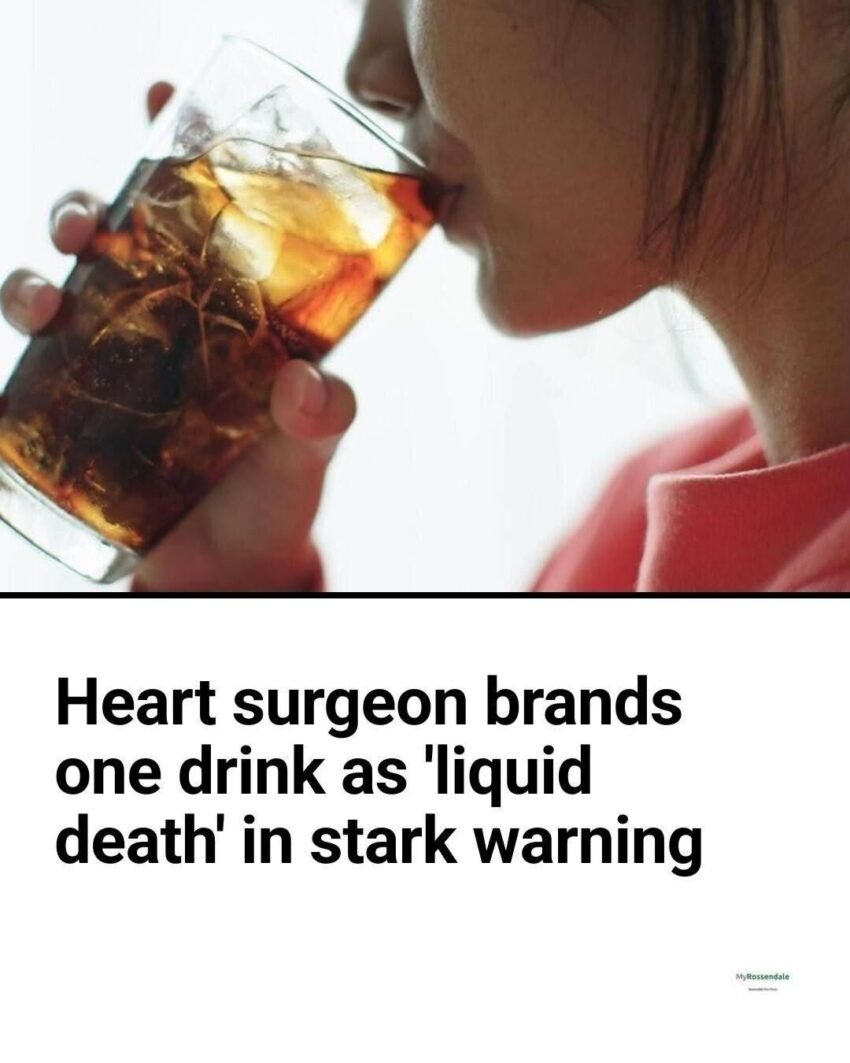
From the perspective of a surgeon who operates on the heart, major vessels, and thoracic cavity, the warning would center on direct, observable damage. Here’s the breakdown of what those drinks are and the specific cardiovascular risks this type of specialist would see firsthand.
The Primary Target: Sugar-Sweetened Beverages (Sodas, Sweet Teas, Fruit Juices)
A general, vascular, and thoracic surgeon sees the end-stage results of metabolic disease in the operating room daily. Their stark warning against sugary drinks isn’t theoretical; it’s based on what they encounter inside the chest cavity.
1. Aortic Aneurysms and Dissections (Thoracic/Vascular Surgery)
This is the most critical warning from a surgeon who operates on the body’s largest artery. High sugar intake drives inflammation and hypertension, which directly weakens the aortic wall. A vascular surgeon repairs life-threatening abdominal aortic aneurysms, while a thoracic surgeon performs emergency surgery for Type A aortic dissections—a tear in the aorta that is often fatal. They would link sugar’s hypertensive and inflammatory effects directly to this risk.
2. Aggressive Coronary Artery Disease (General Cardiac Surgery)
This isn’t just about “clogged arteries.” A heart surgeon performing bypass surgery sees a distinct pattern: patients with high sugar intake often have diffuse, small-vessel disease. This means blockages aren’t just in the large, easily bypassable arteries, but are widespread throughout the smaller vessels on the heart’s surface, making surgical revascularization more difficult and less effective. They would warn that sugar promotes a surgical unfriendly pattern of heart disease.
3. Calcified, “Porcelain” Plaque
Sugar drives advanced glycation end-products (AGEs) that make arterial plaque extremely hard and calcified. A surgeon trying to sew a graft onto a rock-hard, calcified aorta faces a significantly higher risk of the clamp cracking the vessel or causing a stroke from dislodged debris. They would starkly link sugary drink consumption to this technically catastrophic surgical challenge.
The Secondary Target: Energy Drinks
If the warning includes “palpitations” or “sudden cardiac death,” the subject is energy drinks. A surgeon’s specific concern here is their effect on the thoracic cavity’s electrical system and blood pressure.
-
Dangerous Arrhythmias: The massive combination of caffeine, taurine, and other stimulants can trigger atrial fibrillation, prolong the QT interval (a precursor to fatal heart rhythms), and cause coronary artery spasm—even in young, healthy people with no blockages. A surgeon would issue a stark warning about a structurally normal heart suddenly suffering a cardiac arrest.
-
Hypertensive Crisis: Energy drinks cause significant, acute spikes in blood pressure, which is the primary risk factor for the aortic catastrophes mentioned above.
How the Warning Would Translate to Action
A surgeon who has to “hold a heart in their hands” would likely frame the advice this way:
“When you consume a soda or sugary drink, you are not just having empty calories. You are immediately triggering an inflammatory cascade that, over time, forces me to operate on a fragile, inflamed, calcified heart and aorta. The single most impactful thing you can remove from your diet, starting today, is that daily sugar-sweetened or artificially stimulated drink. Your arteries are a plumbing system you cannot replace; stop pouring corrosive fluid through them.”
If you have the name of the surgeon or the specific article, I can give you a much more precise breakdown. Let me know.