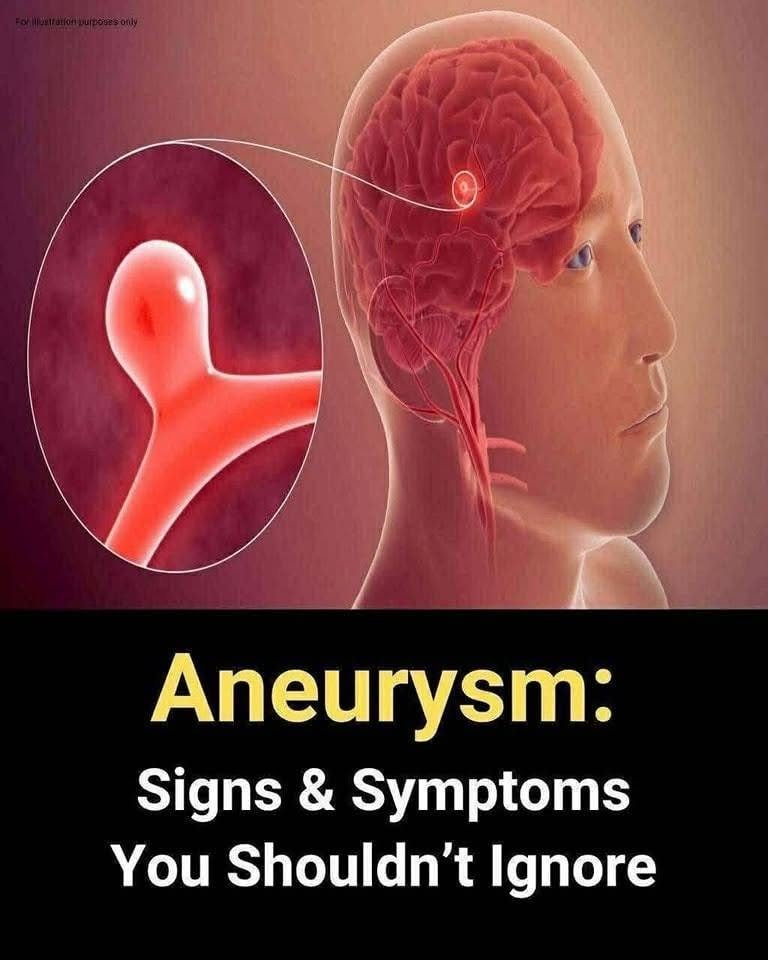
The signs are entirely dependent on where the aneurysm is located. The two most common and deadly are brain (cerebral) and abdominal aortic. You must think of them as two completely different emergencies.
Part 1: Brain Aneurysm (Cerebral Aneurysm)
A ruptured brain aneurysm causes a subarachnoid hemorrhage—bleeding into the space around the brain. An unruptured aneurysm can also cause symptoms by pressing on nerves, but the rupture is the catastrophe.
The “Worst Headache of My Life” (The Sentinel Sign)
People describe this with a level of severity and suddenness that is unmistakable. It’s not a migraine that builds. It’s an instant “thunderclap” headache, like being struck by lightning or hit in the back of the head with a baseball bat. It peaks in seconds. This can sometimes be preceded by a smaller, “sentinel” leak days or weeks earlier, which also causes a sudden, severe, but self-limiting headache. Any thunderclap headache is a medical emergency.
Signs of a Ruptured Brain Aneurysm (Call 911 Immediately)
-
Sudden, catastrophic headache (the hallmark).
-
Nausea and projectile vomiting in conjunction with the headache.
-
Stiff neck (meningismus—blood irritates the meninges).
-
Sudden vision changes: Blurred or double vision, extreme light sensitivity (photophobia).
-
Seizure.
-
Drooping eyelid (ptosis): This is a key sign of an unruptured aneurysm pressing on the oculomotor nerve. The pupil on that side may be fixed and dilated.
-
Loss of consciousness or confusion.
The “Berry” Warning
Some small, unruptured aneurysms leak a tiny amount of blood—a sentinel bleed. The key symptom is a sudden, unusual headache that might be severe but resolves. If you experience this, and especially if you have risk factors (smoking, hypertension, family history, polycystic kidney disease), you need a CT scan and possibly a lumbar puncture, even if the headache has passed.
Part 2: Abdominal Aortic Aneurysm (AAA)
This is a ballooning of the body’s largest artery, the aorta, as it runs through the abdomen. It’s a “silent killer” because it often has zero symptoms until the moment it begins to tear or rupture. Screening is vital for at-risk groups (men over 65 with a smoking history).
The Unruptured AAA (If Symptoms Occur)
Most are found incidentally. When an AAA does cause symptoms, it’s because it’s expanding rapidly and pressing on structures. You might feel:
-
A deep, steady, gnawing pain in the abdomen or on the side of the abdomen.
-
Back pain that is not mechanical (not from moving a certain way).
-
A pulsating feeling in the abdomen near the navel, like a second heartbeat. (Do not press deeply on this to check if you suspect an AAA).
Signs of a Rupturing or Dissecting AAA (Call 911 Immediately)
This is when the inner layer of the aortic wall tears and blood forces the layers apart, or it bursts entirely. It causes massive internal bleeding.
-
Sudden, severe, and persistent abdominal or back pain that can feel like a tearing or ripping sensation. It is often described as the worst pain they’ve ever felt.
-
Pain radiating to the lower back, groin, or legs.
-
The Deadly Triad of Rupture: Severe, sudden abdominal/back pain, hypotension (low blood pressure causing dizziness, clamminess, and fainting), and a pulsatile abdominal mass. This is a pre-cardiac arrest situation.
-
Signs of shock: Clammy, pale skin, rapid heartbeat, shortness of breath, and passing out.
Part 3: Thoracic Aortic Aneurysm (In the Chest)
This is less common but equally lethal. Its symptoms mimic a heart attack.
-
Deep, aching or sharp pain in the chest.
-
Back pain between the shoulder blades.
-
Hoarseness (from pressure on the nerve to the vocal cords).
-
Difficulty swallowing (from pressure on the esophagus).
The Unifying Red Flags: The “Don’t Miss” List
If you or someone nearby has any combination of these, do not wait, do not drive to the hospital, call for an ambulance:
-
A “thunderclap” headache, the worst in your life, that reaches maximum intensity in under 60 seconds.
-
Any severe, sudden-onset headache accompanied by a stiff neck or a drooping eyelid.
-
A deep, tearing pain in the abdomen, flank, or back that is unrelenting and severe.
-
A sense of impending doom—patients with a massive internal bleed often have a profound, instinctual feeling that they are about to die. This is a real clinical sign.
-
Fainting (syncope) combined with any of the above pains.
The tragedy of aneurysms is that the pre-rupture window is often silent. The only defense is knowing your family history, controlling your blood pressure religiously, never smoking, and for those at risk, getting the one-time screening ultrasound. When a rupture begins, recognizing these signs and acting within minutes is the only chance.