
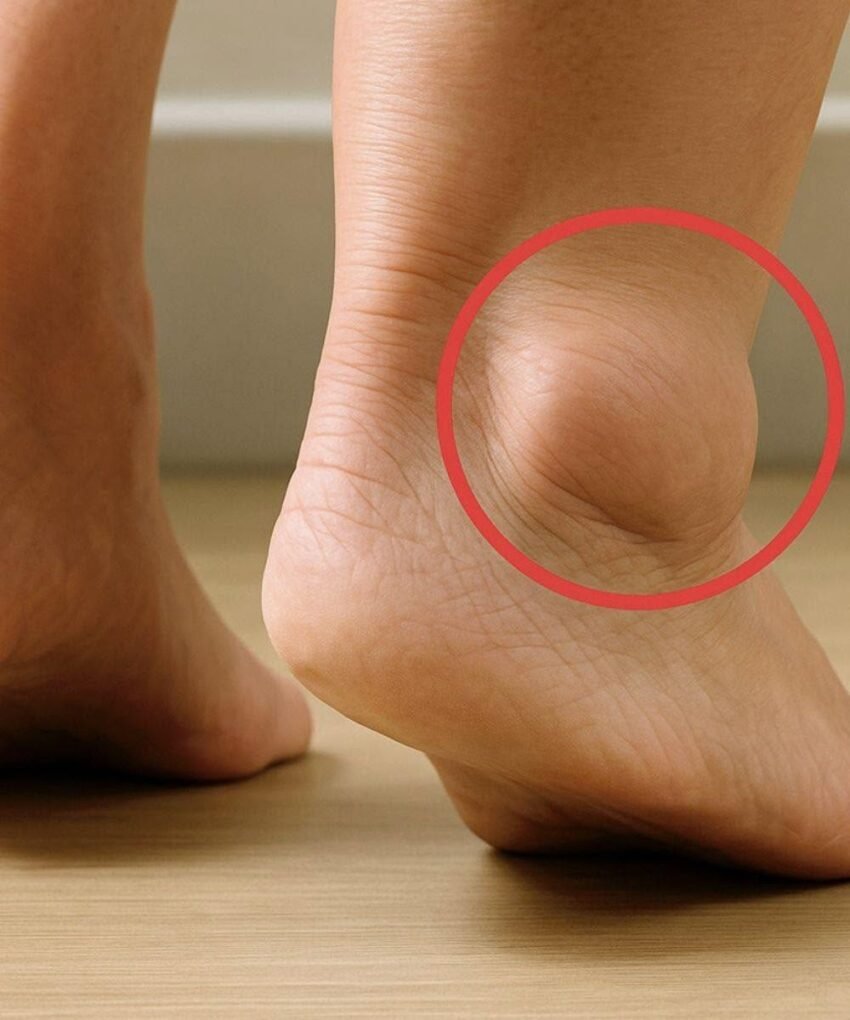
This is a concern that affects both comfort and safety, as swollen feet can signal underlying health issues and directly increase the risk of falls. Here’s a clear breakdown of why it happens and what to do about it.
Part 1: Common Causes (Always Rule Out Medical First)
Swelling in the feet and ankles, known as peripheral edema, is never just “old age.” It has a specific driver. The most common are:
1. Chronic Venous Insufficiency (CVI)
-
What it is: The one-way valves in leg veins weaken with age. Instead of pushing blood back up to the heart, gravity pulls it back down, pooling in the feet and ankles.
-
Key sign: Swelling that worsens after prolonged sitting or standing and improves overnight or when the legs are elevated.
2. Medication Side Effects
-
Common culprits: Calcium channel blockers for high blood pressure (e.g., amlodipine), some diabetes medications (thiazolidinediones), NSAIDs (ibuprofen, naproxen), and certain antidepressants.
-
Key sign: Swelling that began or worsened shortly after starting a new medication or increasing a dose.
3. Congestive Heart Failure (CHF)
-
What it is: The heart pumps less effectively, causing fluid to back up into the venous system.
-
Key signs: Swelling in both feet, worse by evening, often accompanied by shortness of breath, especially when lying flat, and a dry, hacking cough. This requires immediate medical attention.
4. Kidney or Liver Disease
-
What it is: Kidneys failing to filter fluid and protein properly, or a liver not producing enough albumin, leading to fluid leaking into tissues.
-
Key signs: Swelling that is soft and “pitting” (an indent stays after you press the skin), often starting around the eyes in the morning for kidney issues, or a distended abdomen for liver issues.
5. Dependent Edema from Immobility
-
What it is: Simply sitting in a chair with the feet down for many hours without the calf muscle pump working to circulate blood.
-
Key sign: Resolves quickly with elevation and movement. Common in long car rides or sedentary lifestyles.
Part 2: Prevention and Relief Strategies
Once serious conditions are ruled out by a doctor, these strategies effectively manage and prevent swelling.
1. “Toes Above Nose” Elevation
The most common mistake is elevating the legs just slightly. Gravity needs a steep angle to drain fluid effectively.
-
Do it right: Lie down and prop the legs on pillows so the feet are higher than the heart. Do this for 20–30 minutes, 2–3 times daily. A recliner with the feet up but the heart still upright is not the same thing.
2. Activate the Calf Muscle Pump
The calf muscle is the body’s “second heart.” When it contracts, it pushes venous blood back up toward the heart.
-
Simple exercise: While seated, repeatedly point the toes down hard, then pull them back up, flexing the foot. Do 20 repetitions every hour.
-
Better: Stand and rise up on the toes 10–15 times. Walking for just five minutes every hour is ideal.
3. Compression Stockings (But Only If Arteries Are Healthy)
Graduated compression stockings are tightest at the ankle and looser as they go up, physically preventing fluid from pooling.
-
Important medical check first: A doctor must confirm adequate arterial blood flow with an Ankle-Brachial Index (ABI) test. Compression on legs with severe arterial disease can cause serious harm.
-
For proper fit: They should be fitted by a professional. Off-the-shelf “one size fits all” often rolls down and creates a tourniquet effect, worsening the problem.
4. Dietary Sodium Reduction
Sodium holds fluid in the body. Even if the person doesn’t add table salt, processed foods are the hidden source.
-
Biggest hidden culprits: Canned soups, deli meats, frozen dinners, bread, and restaurant food.
-
Target: Aim for under 1,500–2,000 mg of sodium per day. Reading labels is essential—a single can of soup can contain 800–1,200 mg.
5. Review Medications with the Doctor
If the swelling started or worsened after a new prescription, the doctor can often adjust the dose or switch to a different class of drug.
-
Crucial note: Never stop or adjust a heart or blood pressure medication independently. Always have the conversation with the prescribing physician.
When to Seek Urgent Care
Do not delay if the swelling is:
-
Sudden and in one leg only, especially if accompanied by calf pain, warmth, or redness. This can be a deep vein thrombosis (DVT), a medical emergency where a clot can travel to the lungs.
-
Accompanied by chest pain, difficulty breathing, or a cough producing frothy, pink-tinged sputum. This suggests acute heart failure.
-
In a foot that is red, hot, and has a break in the skin or an ulcer. Infection in a swollen limb spreads rapidly and can become septic.
Which of these do you suspect is most relevant—medication, a specific health condition, or simply needing better daily movement and elevation routines? I can tailor the next steps more specifically.