
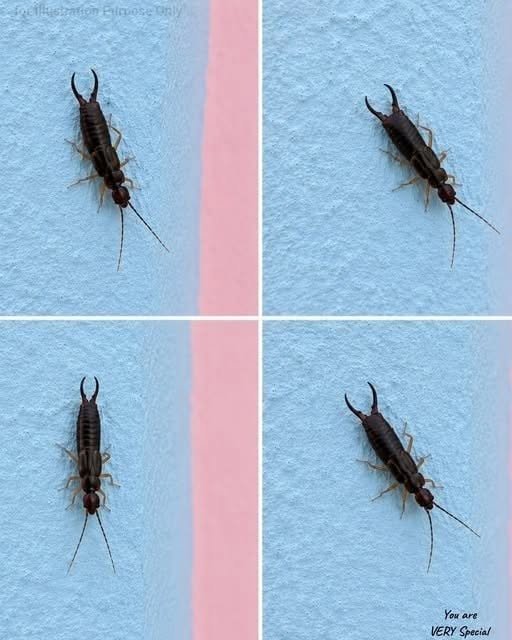
Spotting an unexpected insect in the kitchen can create an immediate sense of alarm.
You may notice a tiny beetle crawling across a shelf, a small gray moth fluttering near the ceiling, or a worm-like larva inside a package of flour or cereal.
The first reaction is often to wonder whether the kitchen is unsafe or unclean.
In many cases, the insect is a common stored-food pest such as a pantry moth, grain beetle, flour beetle, or weevil.
These pests are unpleasant and can contaminate food, but their presence does not necessarily mean that the home has been poorly maintained.
Infested products may enter the kitchen directly from a grocery store, warehouse, or food-processing facility. Once inside, the insects can spread from one package to another if foods are not stored in tightly sealed containers.
The situation is usually manageable with careful inspection, proper disposal, thorough cleaning, and improved food storage.
What Kind of Bug Might Be in Your Pantry?
Several small insects are commonly found in stored dry foods.
Indian Meal Moths
Indian meal moths, often called pantry moths, are small moths that may fly around kitchens, cabinets, or ceilings.
The adult moths are usually grayish with darker copper or reddish-brown coloring on part of their wings.
The moth itself does not eat the stored food. The larvae cause the damage by feeding inside packages.
Possible signs include:
- Fine webbing inside food packages
- Food particles stuck together in clumps
- Small pale larvae
- Cocoons in cabinet corners
- Small moths flying near the pantry
Grain and Flour Beetles
Several kinds of tiny reddish-brown or dark beetles may infest flour, cereal, pasta, crackers, spices, grains, and other dry goods.
They may crawl inside packages, across shelves, or along cabinet walls.
Because they are very small, they can hide in seams, cracks, and folded packaging.
Weevils
Weevils are small beetles, often recognized by their elongated snouts.
Rice weevils, granary weevils, and similar species may develop inside whole grains, rice, corn, seeds, and pasta.
A small round hole in a grain kernel may indicate that an adult weevil has emerged.
Drugstore and Cigarette Beetles
These tiny brown beetles may infest a wide variety of products, including:
- Spices
- Flour
- Tea
- Dried herbs
- Cereal
- Pet food
- Dried fruit
- Chocolate
- Crackers
Are Pantry Pests Dangerous?
Common pantry moths, beetles, and weevils generally do not bite or sting people.
They are not usually considered major disease carriers in the same way as some other household pests.
However, food containing insects, larvae, webbing, droppings, shed skins, or an unusual odor should be discarded.
Contaminated food may be unpleasant, damaged, or unsuitable to eat.
People with allergies or respiratory sensitivities may also react to insect debris or contaminated dust.
Why Pantry Pests Appear
An infestation may begin when eggs or larvae are already present inside a purchased food product.
The insects may remain unnoticed until they mature and emerge.
They can then spread into nearby packages, especially those made from thin cardboard, paper, or loosely sealed plastic.
Commonly affected products include:
- Flour
- Rice
- Pasta
- Cereal
- Oatmeal
- Crackers
- Nuts and seeds
- Dried fruit
- Spices
- Chocolate
- Pet food
- Birdseed
- Dry baking mixes
Finding pantry pests is not proof that the home is dirty. Even a clean kitchen can develop an infestation when an affected package is brought indoors.
Signs That a Food Package May Be Infested
Inspect dry foods carefully if you notice insects in or near the pantry.
Look for:
- Small insects crawling inside a package
- Larvae or worm-like creatures
- Fine silk-like webbing
- Food stuck together in unusual clumps
- Tiny holes in cardboard or plastic
- Powder collecting beneath grain packages
- Damaged kernels or seeds
- Cocoons in corners or under shelves
- An unusual stale or unpleasant smell
The insect you notice in the open may be only the visible clue—the real source is often hidden inside one forgotten package at the back of the pantry.
What to Do When You Find Pantry Pests
Step 1: Identify the General Area
Start by checking the shelf, cabinet, drawer, or storage area closest to where the insect was found.
Do not assume that the nearest open package is the only affected item.
Pantry moth larvae may crawl away from food before forming cocoons, so adult moths or larvae may appear some distance from the original source.
Step 2: Remove Everything From the Pantry
Take all food packages, containers, shelf liners, and loose items out of the affected cabinet.
Place the products on a clean table or counter where they can be inspected individually.
Step 3: Inspect Every Dry Product
Check opened and unopened packages carefully.
Pay particular attention to:
- Package seams
- Folded cardboard edges
- Plastic bag closures
- Jar lids
- Food particles around openings
- Webbing or small holes
Thin packaging may be penetrated by some pantry pests, so an unopened box is not automatically protected.
Step 4: Discard Infested Food
Place affected products in a strong plastic bag and seal it securely.
Take the bag directly to an outdoor trash container.
Do not leave it in an indoor kitchen bin, as insects may escape and return to the pantry.
Do not donate or redistribute questionable food.
Step 5: Decide What Else Should Be Discarded
Foods showing no visible activity may still contain eggs or very small larvae.
Discard products when:
- The packaging is damaged
- The food contains webbing or clumps
- Insects are visible inside
- The product has been stored beside a heavily infested item
- The seal is loose or uncertain
- The food has an unusual smell or appearance
When the condition of a product is uncertain, replacing it is often the safest practical choice.
Step 6: Vacuum Thoroughly
Use a vacuum hose to clean:
- Shelf corners
- Cabinet joints
- Hinges
- Cracks and crevices
- Small peg holes
- The underside of shelves
- The edges of shelf liners
Pantry moth larvae may form cocoons in very small hidden spaces.
After vacuuming, empty the canister or remove the bag outdoors immediately. Seal the debris before placing it in the outside trash.
Step 7: Wash the Shelves
Clean the empty shelves with warm water and dish soap.
A diluted vinegar solution may also be used as a general surface cleaner if it is suitable for the cabinet material.
Vinegar can help remove food residue, but it should not be relied upon as a guaranteed insecticide for hidden eggs or larvae.
Dry every surface completely before returning food to the pantry.
Step 8: Replace Damaged Shelf Liners
Discard paper or porous shelf liners that contain food residue, webbing, or insect activity.
Wash reusable liners and let them dry fully.
Step 9: Check Nearby Areas
Inspect adjacent cabinets and less obvious food sources, including:
- Pet food
- Birdseed
- Dried decorative corn
- Spice drawers
- Tea boxes
- Baking ingredients
- Nuts stored outside the main pantry
- Food kept in a garage or utility room
Should You Use Insecticide in the Pantry?
Spraying insecticide around food-storage areas is usually unnecessary and may contaminate food-preparation surfaces.
Removing the source, vacuuming thoroughly, cleaning cracks, and transferring food to pest-resistant containers are generally more important than spraying.
If an infestation continues despite repeated cleaning, contact a qualified pest-management professional.
Using Pantry Moth Traps
Pheromone traps are available for certain pantry moth species.
These traps attract and capture adult male moths, which can help monitor whether moths are still present.
They do not remove eggs or larvae from food and should not replace inspection and cleaning.
Use only traps intended for stored-food moths and follow the manufacturer’s directions.
What About Beetle Traps?
Some monitoring traps are made for stored-product beetles, but eliminating the infested product remains the most important step.
A trap may show that insects are still active, but it will not correct food storage problems by itself.
Cleaning removes the current infestation, but the real long-term solution is changing how dry foods are stored after they enter the kitchen.
How to Prevent Pantry Pests From Returning
Use Airtight Containers
Transfer dry foods into sturdy containers made from glass, metal, or thick food-safe plastic.
Containers should have tight-fitting lids.
Thin bags and cardboard boxes may not provide reliable protection.
Label the Containers
Write the product name and purchase or expiration date on each container.
This makes it easier to rotate food and identify products that have been stored too long.
Use Older Products First
Practice the “first in, first out” method.
Place newly purchased products behind older ones so the older packages are used first.
Buy Quantities You Can Use
Large bags may seem economical, but they can remain in storage long enough for an unnoticed infestation to spread.
People who cook for one or two may benefit from purchasing smaller quantities of flour, grains, nuts, or cereal.
Inspect Packages Before Buying
At the store, avoid packages with:
- Holes
- Tears
- Loose seals
- Webbing
- Food dust around seams
- Visible insects
Clean Spills Promptly
Flour, grain, crumbs, and pet-food residue can collect in corners and provide food for pests.
Wipe spills immediately and vacuum pantry crevices periodically.
Keep the Pantry Cool and Dry
Warm conditions can speed insect development.
Keep dry foods away from excessive heat, moisture, and direct sunlight.
Repair leaks or condensation problems near food-storage areas.
Inspect Pet Food and Birdseed
Large bags of pet food and birdseed are frequent sources of stored-product insects.
Store them in sturdy containers with secure lids rather than leaving them in open bags.
Can New Flour or Grain Be Frozen?
Freezing certain dry foods may help kill insects that are already present.
Place the unopened or securely wrapped product in a freezer suitable for food storage.
Several days of freezing is commonly used, although effectiveness depends on freezer temperature, package size, and insect species.
After removal, allow the package to return to room temperature while still sealed so condensation does not form directly on the food.
Not every food benefits from freezing, so consider the product’s storage instructions.
Do Bay Leaves Repel Pantry Pests?
Bay leaves are often recommended as a traditional deterrent.
However, evidence that they reliably prevent or eliminate pantry infestations is limited.
They should not replace airtight containers, inspection, cleaning, or proper disposal.
If bay leaves are used for aroma, keep them separate from foods when cross-contact or flavor transfer would be undesirable.
Can Infested Food Be Saved?
Heavily infested food should be discarded.
Although heating or freezing may kill insects, it does not remove webbing, waste, shed skins, allergens, or quality damage.
For household use, disposal is usually the most practical approach.
How Long Does It Take to Eliminate an Infestation?
Adult insects may continue appearing for several weeks if hidden eggs, larvae, or cocoons remain.
Continue inspecting the pantry and monitoring for activity.
If insects keep appearing after all likely food sources have been removed, check:
- Ceiling corners
- Cabinet hardware
- Wall cracks
- Stored pet supplies
- Dried flowers or seeds
- Food in another room
Frequently Asked Questions
Does Finding Pantry Bugs Mean My Kitchen Is Dirty?
No. Infested products may be brought home from a store even when the kitchen is clean.
Food residue and poor storage can help the infestation spread, but they are not always the original cause.
Can Pantry Moths Bite?
Common pantry moths do not normally bite people.
Can Weevils Make You Sick?
Weevils are not generally known for biting or transmitting serious disease to people.
Food visibly containing weevils or other contamination should still be discarded.
Why Are Moths Flying Far From the Pantry?
Larvae may crawl away from food before pupating, and adult moths can fly into other rooms.
The original food source may therefore be some distance from where the moth was noticed.
Can Pantry Pests Enter Sealed Packages?
They cannot penetrate every type of packaging, but some can enter through tiny gaps or chew through paper, cardboard, and thin plastic.
Hard containers with tight lids offer better protection.
Should I Throw Away Everything?
Not necessarily.
Inspect each item carefully. Products stored in undamaged glass, metal, or thick airtight containers may be unaffected.
Discard anything showing activity or questionable packaging.
Can I Keep Canned Food?
Undamaged sealed cans are generally protected.
Wash the outside before returning them to the clean pantry.
Can Pantry Pests Live in Spices?
Yes. Some stored-product beetles can infest spices, dried herbs, tea, and seasoning mixes.
When Should I Call Pest Control?
Consider professional help if:
- Insects continue appearing after several thorough cleanings
- The source cannot be found
- Several rooms are affected
- The infestation involves wall voids or structural spaces
- You cannot safely complete the cleaning
Staying Calm During the Cleanup
Finding insects in food can feel upsetting, especially when a large amount of pantry stock must be discarded.
Try to approach the task one shelf at a time.
You do not need to clean the entire kitchen at once. Begin with the affected cabinet, remove the source, and then inspect the surrounding areas systematically.
Wear gloves if handling contaminated packages makes you uncomfortable, and ask someone for help if lifting containers or reaching high shelves is difficult.
A Simple Post-Cleaning Snack
After completing the pantry inspection, a quick snack can provide a welcome pause.
Ingredients
- ½ ripe avocado
- 1 slice of whole-grain toast or crispbread
- A squeeze of lemon juice
- A small pinch of salt
Instructions
Toast the bread until crisp.
Mash the avocado with lemon juice and a small amount of salt.
Spread it over the toast and serve immediately.
This simple snack provides fiber and unsaturated fat, but it is not a treatment for stress, bruising, circulation problems, or other medical conditions.
Final Thoughts
A tiny moth, beetle, or weevil in the kitchen can be the first visible sign of a stored-food infestation.
The discovery is unpleasant, but it is usually a manageable household problem rather than a medical emergency.
The most effective response is to identify the affected food, remove it, inspect nearby products, vacuum hidden spaces, wash the shelves, and store replacement foods in sturdy airtight containers.
Avoid spraying chemicals around food-storage surfaces unless advised by an appropriate professional.
Traditional ideas such as bay leaves or vinegar may be useful as minor additions to cleaning routines, but they should not replace source removal and secure storage.
Most importantly, do not interpret pantry pests as a personal failure.
They frequently arrive inside purchased products and can appear in even the cleanest homes.
With a calm inspection and a few practical changes, the pantry can be restored and protected from future infestations.