
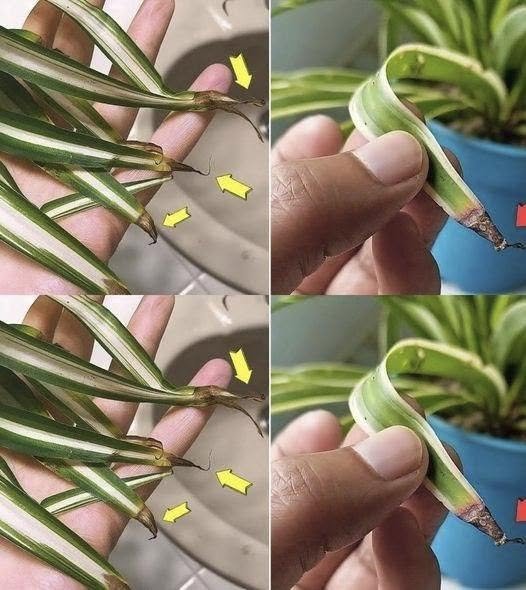
That’s a classic and frustrating problem. The short answer is that the leaf tip is the very end of the plant’s “plumbing system,” so it’s the first place to show signs of distress when the flow of water and nutrients is disrupted.
However, the reason for that disruption is what often surprises people. It’s rarely just one thing, and the most common causes are counterintuitive. Let’s break down the surprising causes and exactly what to do, using a checklist approach.
Part 1: The Surprising Causes (Beyond “It’s Just Dry”)
Most people assume a brown tip means a thirsty plant and instinctively water more. That is often the worst thing you can do. The causes below are ordered from most to least common.
1. Salt Burn from Over-Fertilizing (The #1 Culprit)
This is the most frequent cause for indoor plants. Fertilizer is a mineral salt. When you feed a plant, the water is absorbed, but the roots often leave some salts behind. Over time, these salts accumulate in the soil, burning the delicate root tips and creating a reverse osmosis effect—the salty soil actually pulls water out of the plant’s roots, causing drought-like symptoms even in wet soil.
-
The Clue: You see a white or crusty layer on the soil surface or along the inside of a terracotta pot. The browning starts at the very tips and margins and progresses inward, often with a yellow halo between the brown and green.
2. Tap Water Toxicity (Fluoride, Chlorine, and Boron)
Certain plants are exquisitely sensitive to chemicals perfectly safe for humans. Spider plants (Chlorophytum), dracaenas, peace lilies (Spathiphyllum), and Calatheas are notorious for this. They don’t have a way to expel excess minerals, so they shunt them to the leaf tips, where the water they’re dissolved in evaporates, leaving the concentrated toxin behind to burn the tissue.
-
The Clue: Your plant is on the sensitive list, and you’re using city water. The brown tips are sharp, crisp, and uniformly dead, not soft.
3. Inconsistent Watering (The Wet-Dry Cycle)
A single severe drought can damage the roots, leaving a permanent “scar” that turns into a brown tip a week later. But even more surprising, letting a plant get bone-dry and then flooding it causes root shock and can rot the microscopic root hairs. This reduces the plant’s ability to take up water, again mimicking drought.
-
The Clue: You wait until the plant visibly wilts before watering. The soil has become hydrophobic and water runs straight through to the saucer without being absorbed.
4. Low Humidity (Atmospheric Thirst)
This is often blamed, but it’s usually secondary to one of the above issues. However, for true rainforest plants (Calathea, Maranta, ferns), the average home humidity of 20-40% is a desert. The leaves lose water through transpiration faster than the roots can supply it, and the tips—the furthest point—die back.
-
The Clue: Multiple plants have brown tips despite proper watering, the browning looks crispy, and it’s worse in winter when the heat is on.
5. Root Bound Stress (Too Much for Too Little)
When a plant is severely pot-bound, there isn’t enough soil to hold water and nutrients. The root mass becomes a tight, impenetrable brick. You can water it daily, and the center of the root ball stays dry while the water runs down the sides. This chronic drought stress causes relentless tip browning.
-
The Clue: Roots are circling the pot’s surface or poking out of the drainage holes. Water sits on top of the soil for a long time before draining.
Part 2: The Action Plan – What to Do to Fix and Prevent It
You can’t heal the brown tissue, but you can immediately fix the cause to stop it from spreading to the rest of the leaf and new growth.
Step 1: The Damage Assessment (Don’t Just Water It!)
Stick your finger 2 inches into the soil. If it’s wet, the problem is absolutely not underwatering. It’s overwatering, salt buildup, or a root problem. Do not add more water.
Step 2: Flush the Soil (The Salt & Toxin Detox)
If you suspect salt or tap water buildup, this is the single most effective fix.
-
Place your pot in a sink or tub.
-
Slowly pour distilled or filtered water (not tap) through the soil. Use a volume of water equal to about 3-4 times the pot’s volume.
-
Let it drain completely. This dissolves and washes away accumulated fertilizer salts and tap water toxins.
-
Do this every 4-6 months as preventative maintenance.
Step 3: Switch Your Water Source & Allow It to Sit
For the sensitive plants (Dracaena, Spider Plant, Peace Lily, Calathea), switch to distilled, reverse osmosis, or collected rainwater. If you must use tap, fill a watering can and leave it open to the air for 24-48 hours. This allows chlorine and fluorine to off-gas (though chloramine, used in many cities, will not). This simple switch often stops the problem entirely.
Step 4: The Humidity Hack (That Actually Works)
Misting does almost nothing and can cause fungal issues. Instead:
-
The Tray Method: Fill a wide tray with pebbles and water. Place the pot on top of the pebbles, ensuring the pot’s base is above the water line. The evaporating water creates a localized humidity dome.
-
Group Therapy: Cluster your humidity-loving plants together. As they transpire, they create a humid microclimate among themselves.
Step 5: Trim with a Purpose (The Aesthetic Fix)
Use sharp, clean scissors. Trim the brown tip, leaving a tiny, 1-millimeter sliver of brown at the edge of the healthy green. If you cut into the green, you create a fresh wound the plant will seal, often creating a new brown margin. Follow the natural leaf shape so it doesn’t look chopped.
Final Diagnostic Check: If a single, yellow halo surrounds the brown tip, it almost always points to a watering or salt problem. If the brown part is soft and mushy, it’s a sign of root rot from overwatering. If it’s crispy and paper-dry, it’s environmental (salt, humidity, or chemical).
The most empowering shift is to stop viewing a brown tip as a sign of failure and start seeing it as a perfectly clear, biological communication. Your plant is telling you something specific about its internal plumbing—once you learn its language, the fix is straightforward.