
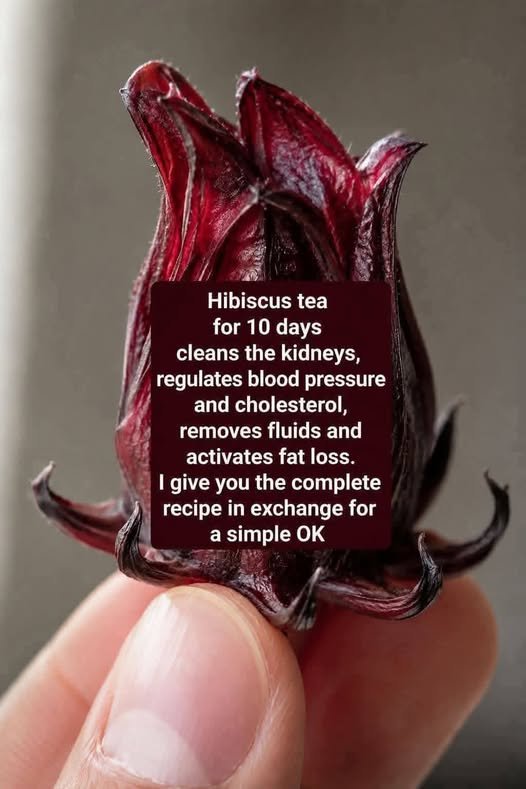
Hibiscus (often called jamaica or sorrel) has a natural tartness similar to cranberry, which pairs beautifully with warm spices like cinnamon and cloves. Turning it into a jelly is a wonderful way to preserve those flavors.
Here’s how to make it with a soft, quivering texture, along with the key steps to ensure it sets perfectly every time.
The Flavor Profile
-
Hibiscus: Tart, fruity, and vibrant red. Provides natural pectin in small amounts, but we’ll need extra help to set it firmly.
-
Cinnamon & Cloves: Warm, woody, slightly sweet. A little goes a long way—cloves can easily overpower, so we use them whole and remove them.
-
Sweetener: You need sugar not just for sweetness, but for the jelly to set and preserve properly. Honey can be used for a portion, but sugar guarantees the right gel structure.
Spiced Hibiscus Flower Jelly
Yield: About 3–4 half-pint jars
Texture: Soft, spreadable jelly—not a firm gummy candy.
Ingredients
-
4 cups strong brewed hibiscus tea (from about 1 cup dried hibiscus flowers)
-
1/4 cup lemon juice (bottled is fine; the acidity is crucial for activation and flavor balance)
-
1 cinnamon stick (about 3 inches)
-
4 whole cloves
-
1 package (1.75 oz) powdered fruit pectin (like Sure-Jell, not instant)
-
3 cups granulated sugar
-
Optional: 1 star anise for extra warmth, or a split vanilla bean
Instructions
1. Brew the Concentrated Tea
-
Bring 5 cups of water to a boil. Remove from heat.
-
Add the dried hibiscus flowers, cinnamon stick, and whole cloves. (Place cloves in a tea infuser or tie them in cheesecloth so you can remove them easily later—fishing out single cloves is tedious.)
-
Steep for at least 30 minutes, or until very strong and deeply colored. The liquid will reduce slightly as the flowers absorb water.
-
Strain well through a fine-mesh sieve, pressing on the flowers to extract all the liquid. You need exactly 4 cups of liquid. If you’re short, add a bit of water. Discard the flowers and whole spices.
2. Prepare for Canning (or Refrigerator Jelly)
-
If preserving for the shelf, sterilize jars and keep them hot. If making a small batch for the fridge, clean jars are fine.
-
Pour the strained, warm hibiscus tea into a large, heavy-bottomed pot.
3. Cook the Jelly
-
Stir the lemon juice and powdered pectin into the hibiscus tea. Whisk vigorously until the pectin is completely dissolved (lumps at this stage will never dissolve later).
-
Place the pot over high heat and bring to a rolling boil—a boil that doesn’t stop when you stir it.
-
Once boiling, add the entire 3 cups of sugar all at once. Stir continuously to dissolve.
-
Return the mixture to a full rolling boil. Boil hard for exactly 1 minute, stirring constantly. (Set a timer. Over-boiling breaks down pectin; under-boiling prevents a set.)
-
Remove from heat. Skim off any foam that has formed on the surface.
4. Jar and Set
-
Ladle the hot liquid jelly into jars, leaving 1/4-inch headspace.
-
Let them cool completely at room temperature undisturbed. The jelly may take 24-48 hours to fully set. It can take a little longer with floral teas, so be patient before declaring it a failure.
Troubleshooting: Will It Set?
Hibiscus is notoriously tricky to set with pectin alone because its natural acidity varies. Here’s how to guarantee success:
-
Lemon Juice is Non-Negotiable: Pectin requires acid to bond. If your jelly doesn’t set, it’s almost always due to insufficient acidity. The 1/4 cup of lemon juice provides the necessary acid load and lifts the flavor.
-
No Reducing the Sugar: Sugar is a structural ingredient here, not just a sweetener. Reducing it will result in syrup, not jelly. If you want less sugar, you must use a specific low-sugar pectin and follow its package instructions instead.
-
The “Cold Plate” Test: Before jarring, place a spoonful of the hot jelly on a plate you’ve kept in the freezer. Let it sit for a minute, then nudge it with your finger. If it wrinkles, it will set.
Serving Suggestions
This jelly is extremely versatile beyond toast:
-
Glaze for meats: Warmed and brushed over roasted duck, ham, or lamb.
-
Cheese board: It’s exceptional with brie, goat cheese, or a sharp cheddar.
-
Stirred into yogurt or oatmeal.
-
As a layer in cakes: Use it like a sour cherry jam between chocolate cake layers.
Let me know if you’d like a version made with honey instead of sugar (using a different gelling method), or a spiced hibiscus simple syrup if the jelly seems like too much work.