
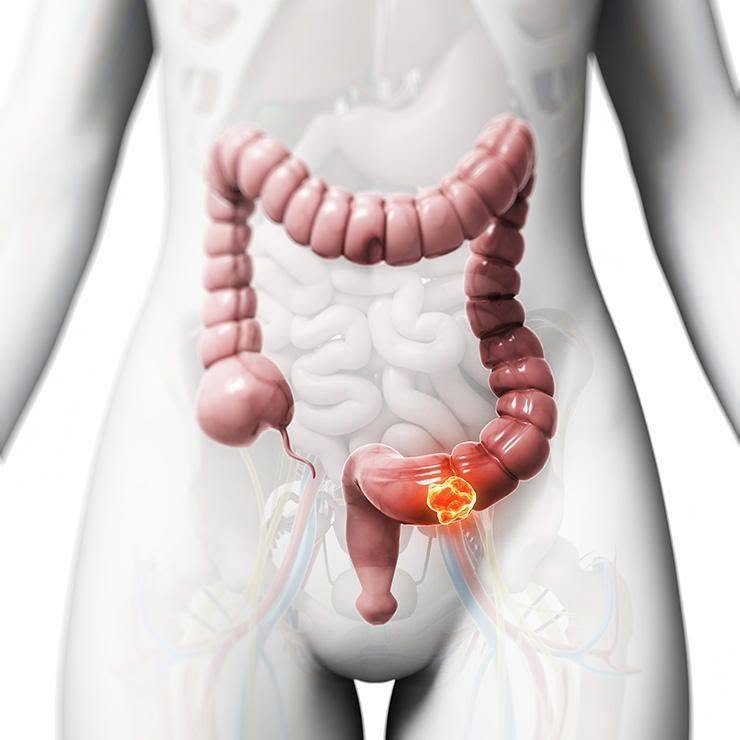
The key is to recognize that your bowel habits have a baseline, and colon cancer disturbs that baseline in specific, persistent ways. Here are the overlooked warning signs, moving from the most dismissed to the most obvious.
The “Anemia of Unknown Origin” (The Biggest Red Herring)
This is the number one overlooked sign in women and young adults. Because a doctor sees anemia in a menstruating woman or a vegetarian and reaches for iron pills, often missing the cancer.
-
The Symptom: You feel tired, washed-out, short of breath walking up stairs, and your skin is pale. A blood test shows iron deficiency anemia.
-
Why It’s Ignored: The assumption is always menstrual bleeding or diet first. But a right-sided colon cancer can slowly ooze blood for years. You never see blood in the stool because it’s digested and chemically changed by the time it exits. The cancer is silently stealing your iron.
-
The Overlooked Clue: Anemia in a man or a post-menopausal woman is colon cancer until proven otherwise. In a younger woman, if the anemia doesn’t correct rapidly with iron supplements, the colon must be scoped.
The “Stool Caliber” Change: The Pencil Stool
This isn’t about constipation. It’s about the physical shape of what comes out.
-
The Symptom: Your stool becomes persistently narrow, like the diameter of a pencil, a ribbon, or a finger. It may be difficult to pass even if it feels soft.
-
Why It’s Ignored: People blame a tight sphincter, hemorrhoids, or “just a small movement.”
-
The Mechanism: A left-sided, ring-shaped tumor creates a fixed obstruction. The stool has to mold itself around this narrowing every single time. A ribbon stool now and then due to a sphincter spasm is normal. A persistent, new pencil shape is a mass.
The “Incomplete Evacuation” Sensation (Tenesmus)
This is a sensation that is distinct and maddening.
-
The Symptom: You finish a bowel movement, but your rectum still feels full. You feel an urgent, painful need to go again, but only a little mucus or nothing comes out.
-
Why It’s Ignored: It’s often mistaken for the straining of constipation or attributed to irritable bowel syndrome (IBS). But true tenesmus is not about hard stool; it’s about a physical mass (the tumor) in the rectum tricking the nerves into sensing a “full” chamber when it’s actually empty, or just pushing out bloody mucus.
-
The Key Distinction: This is a feeling of a mass, not just a need to strain.
The Cramping That Moves In (Not Just Gas)
Colon cancer pain is not a sharp, stabbing ulcer pain. It’s deep, dull, and crampy (visceral pain), and it changes location.
-
The Symptom: You get a gnawing, intermittent cramp in your lower right or lower left abdomen. It might come after eating and then release with a gurgling rush. Over time, the pain becomes more fixed and constant.
-
The Mechanism: The tumor is intermittently blocking the bowel. The colon cramps violently to push contents past the obstruction, then relaxes. This “stop-start” colic is a mechanical problem, not just indigestion.
The Sudden Aversion to Food and Unexplained Weight Loss
This is a systemic effect, not a local one, and it signals a more advanced metabolic shift, but it can sneak up slowly.
-
The Symptom: A subtle “meat intolerance” is a historical hallmark. You suddenly find red meat unappealing or “too heavy.” You get full after a few bites (early satiety). Your clothes fit looser without a change in diet or exercise.
-
Why It’s Ignored: A few lost pounds are often welcomed. The mechanism is the tumor releasing cytokines that alter metabolism and suppress appetite.
The Bleeding That Is Dismissed as Hemorrhoids
This is the single most deadly misdiagnosis. Every single person with hemorrhoids assumes rectal bleeding is a hemorrhoid flare-up. Sometimes, it’s both.
-
The Cancer Signal: Dark red or maroon blood intimately mixed within the stool, often with mucus. It’s not just a streak on the paper.
-
The Hemorrhoid Signal: Bright red, painless drips into the toilet bowl after a movement, or a stripe on the toilet paper.
-
The Overlooked Clue: If you are over 40 and have “hemorrhoid” bleeding, a digital rectal exam and a scope are mandatory to prove there isn’t a cancer higher up that’s bleeding into the hemorrhoidal veins.
Laboratory Clues: The Red and White Blood Cell Paradox
Before you feel a mass, your blood work can show two surprising, contradictory things simultaneously, especially in rectal cancer:
-
Microcytic Anemia: Small, pale red blood cells from chronic iron loss.
-
Thrombocytosis: A high, sometimes alarmingly high, platelet count. Cancer cells, particularly in the GI tract, can release signals (like IL-6) that trick the bone marrow into overproducing platelets. A combination of iron deficiency anemia and high platelets in someone over 40 is a major red flag for an occult GI malignancy.
The Critical Distinction: IBS vs. Colon Cancer
IBS is a functional disorder (the wiring is faulty). Cancer is a mechanical disease (something is growing). The differences are crucial:
| Feature | IBS | Suspicious for Cancer |
|---|---|---|
| Onset | Often lifelong, begins in teens/20s. | New onset after age 40-45. |
| Symptoms | Fluctuate wildly, worse with stress. | Progressive, steady, and relentless. |
| Nighttime | Symptoms rarely wake you from sleep. | Pain or diarrhea that wakes you up. |
| Bleeding | No blood (unless from straining fissure). | Blood mixed in stool or dark/maroon. |
| Weight | Stable (often weight-stable or overweight). | Unexplained weight loss. |
| Anemia | Not present. | Iron deficiency anemia present. |
The “Alarm Symptoms” Guide: If you have any of these, the “wait and see” approach is dangerous: iron deficiency anemia, nighttime symptoms waking you from sleep, unexplained weight loss, blood in the stool, or a persistent change in the shape of your stool. These demand a colonoscopy, not a stool sample test or another month of fiber supplements.