
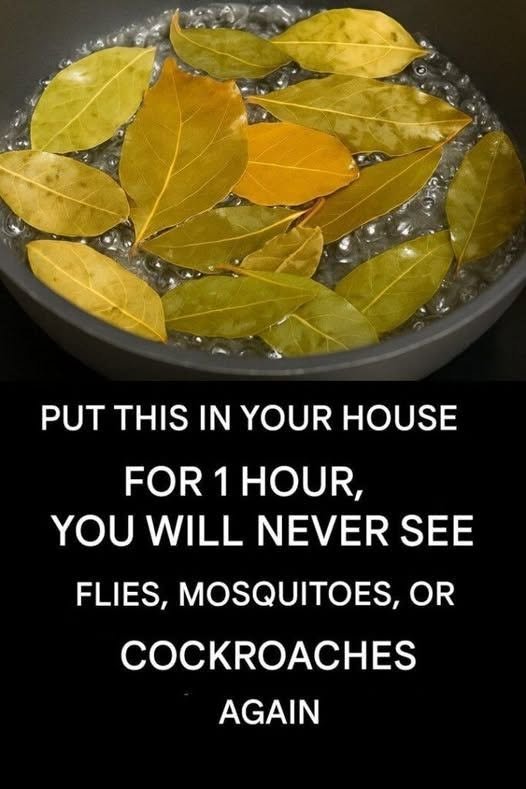
Using boiled leaves as a natural insect repellent is a traditional, non-toxic method that many people swear by, especially in warm climates. The idea is to create a potent, aromatic solution that fills the air with scents insects hate.
Bay leaves are a key component, but their power is often amplified by combining them with other leaves. Based on what common plants have proven insecticidal or repellent properties, here are the best candidates to boil with bay leaf.
The Most Likely “Leaves” & Their Roles
If you’re looking at a viral tip, it likely involves one of these three powerful plants, all of which have scientific backing for repelling pests.
1. Eucalyptus Leaves
-
Why it works: The active compound is eucalyptol (1,8-cineole) . It’s a powerful insect repellent and is even an active ingredient in some commercial mosquito repellents. It’s particularly effective against mosquitoes and flies.
-
How to use: Use 5-7 fresh leaves. The strong, camphor-like vapor is what drives insects away.
2. Mint Leaves (Peppermint or Spearmint)
-
Why it works: Mint contains high levels of menthol, a potent neurotoxin to many insects. It’s one of the most effective natural deterrents for cockroaches and also repels mosquitoes. Cockroaches breathe through their skin, and the strong vapor suffocates and disorients them.
-
How to use: A generous handful of crushed fresh leaves. Crushing releases the essential oils.
3. Lemongrass
-
Why it works: The primary compound is citral, which is closely related to citronella, the gold-standard natural mosquito repellent. It has strong antifungal and antibacterial properties, helping clean the air and deter flies, mosquitoes, and even cockroaches.
-
How to use: Chop 2-3 stalks into small pieces and bruise them with the back of a knife before boiling.
The Method: “Insect-Repellent Tea”
This is not for drinking. You are creating a concentrated aromatic steam and liquid for your home.
Ingredients
-
5-6 dried bay leaves (contain eucalyptol and other terpenes)
-
One of the following fresh additions (or a combination):
-
5-7 fresh eucalyptus leaves
-
10-15 fresh mint leaves, crushed
-
2-3 stalks of lemongrass, chopped and bruised
-
Instructions
-
Place all leaves in a pot with 4-5 cups of water.
-
Bring to a rolling boil, then immediately reduce to a low simmer.
-
Let the pot simmer, uncovered, allowing the steam to disperse throughout the room. Never leave a simmering pot unattended. This is best done when you are in the kitchen or adjacent room and can keep an eye on it.
-
Simmer until the water has reduced by about half and the air is noticeably fragrant (about 30 minutes).
-
After Cooling (The Multiplier Effect): Do not discard the remaining “tea.” Let it cool completely, strain it, and pour it into a spray bottle. Use this to:
-
Spray door thresholds, window sills, and known entry points.
-
Lightly mist dark, damp corners where cockroaches hide (under sinks, behind appliances).
-
Wipe down countertops (ensure surfaces are food-safe by testing a small area first).
-
Important Reality Check & Safety
This method is a repellent and a respiratory irritant to insects with a smaller body mass, but it is not a permanent extermination solution.
-
How it works: The strong fumes overwhelm the insects’ olfactory receptors, disrupting their ability to find food and communicate. For cockroaches, the potent menthol or eucalyptol vapor can act as a fumigant in an enclosed space.
-
Temporary Effect: The effect is powerful but temporary. It lasts as long as the strong scent lingers. You’ll need to repeat this 2-3 times a week for ongoing control.
-
Safety for Pets: Eucalyptus, mint, and bay leaf essential oils and concentrated fumes can be toxic to cats and dogs, especially if they ingest the concentrated water. Use extreme caution or avoid this method entirely if you have pets, particularly if they can access the simmering pot or areas sprayed with the solution. Cats are especially sensitive to eucalyptus.
This is a great natural tool for your arsenal, but it works best alongside other prevention like sealing cracks and eliminating standing water. Let me know if you’d like a more comprehensive pest-prevention checklist.