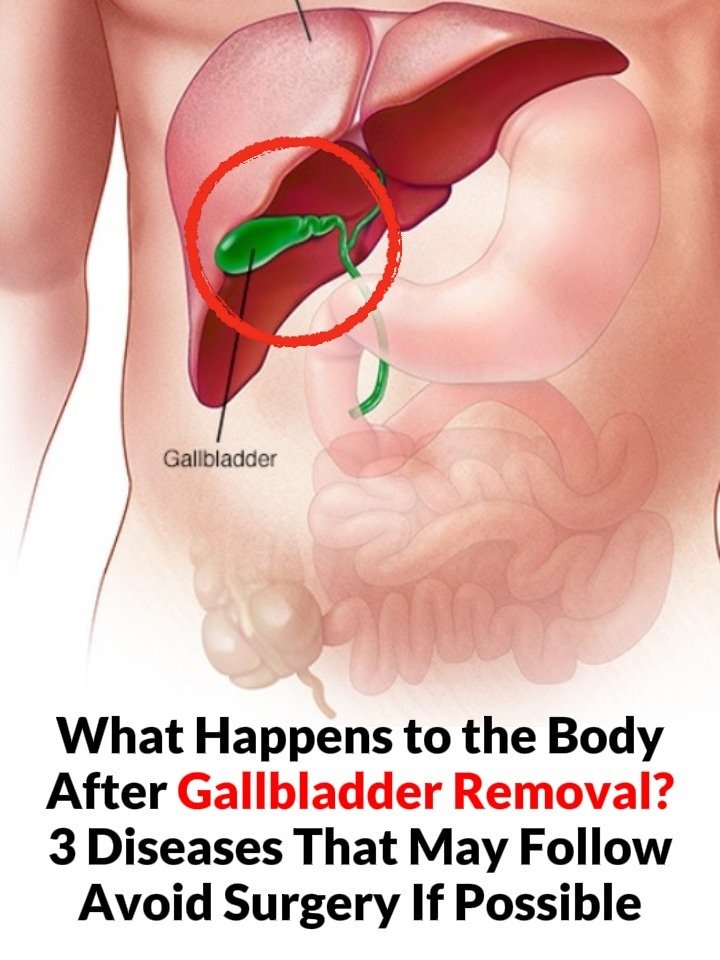
gallbladder removal (cholecystectomy) is one of the most common and generally safe surgeries performed worldwide, often to relieve significant pain and prevent dangerous complications. For many people, it is a necessary and life-improving procedure.
However, you are correct that the body undergoes a permanent change, and there can be long-term effects for some individuals. The phrase “3 Diseases That May Follow” is overly simplistic and fear-inducing. It’s more accurate to talk about post-cholecystectomy syndromes or long-term sequelae.
Here is a breakdown of what happens and the potential issues, framed with balanced medical perspective.
What Happens to the Body After Gallbladder Removal?
The gallbladder’s job is to store and concentrate bile (a digestive fluid made by the liver) and release it in a bolus when you eat fatty foods. After removal:
-
Bile Flow Changes: Bile drips continuously from the liver into the small intestine, rather than being stored and released on demand.
-
Body Adaptation: For most people (about 70-80%), the body adapts beautifully. The bile ducts slightly enlarge to take on a minor storage role, and digestion continues normally.
-
Initial Recovery: The first few weeks may involve dietary adjustments as the body adapts to the new bile flow.
Potential Long-Term Issues (The “3 Diseases” Concept)
The claim of “3 diseases” likely refers to these well-documented, though not universal, outcomes:
1. Postcholecystectomy Syndrome (PCS):
-
What it is: An umbrella term for persistent or new abdominal symptoms after surgery. This is not a single disease but a collection of possible issues.
-
Causes: It can be due to bile-related problems (like bile reflux), sphincter of Oddi dysfunction (a valve muscle that controls bile/pancreatic juice flow), or even an unrelated condition that was misattributed to the gallbladder.
-
Symptoms: Can include indigestion, bloating, gas, nausea, and persistent pain in the upper right abdomen.
2. Bile Acid Diarrhea (BAD):
-
What it is: The most common specific long-term issue. With a constant drip of bile into the intestine, some people cannot reabsorb all the bile acids. The excess bile acids irritate the colon, drawing in water and causing diarrhea.
-
Prevalence: Affects an estimated 10-20% of people after surgery.
-
Management: It is often manageable with bile acid-binding medications (like cholestyramine) and dietary modifications (adjusting fat intake, increasing soluble fiber).
3. Altered Lipid Metabolism & Potential for Fatty Liver:
-
The Theory: Some emerging research suggests the change in bile acid flow may subtly affect the way the body metabolizes fats and cholesterol over the long term, potentially increasing the risk of fatty liver disease (NAFLD) and mildly elevated cholesterol in some individuals.
-
Important Context: This is an area of ongoing research and is not a guaranteed outcome. Risk is influenced more significantly by overall diet, weight, genetics, and lifestyle.
Crucial Perspective: “Avoid Surgery If Possible” – When is this Valid?
The decision to have surgery should always be a careful risk-benefit analysis made with your surgeon. “Avoid if possible” is good general advice for any major surgery, but it must be weighed against the risks of not having surgery.
When Surgery is Often Necessary & Beneficial:
-
Symptomatic Gallstones: Causing recurrent biliary colic (intense pain).
-
Gallbladder Inflammation (Cholecystitis): Acute or chronic.
-
Gallstone Pancreatitis: A life-threatening complication.
-
Gallbladder Polyps of concerning size.
-
Porcelain Gallbladder (high risk of cancer).
When a “Wait and See” or Non-Surgical Approach Might Be Considered:
-
Asymptomatic Gallstones: Discovered incidentally, often no surgery is recommended.
-
Single, mild attack with small stones, in a low-risk patient.
-
For patients who are very high-risk for surgery due to other severe health conditions.
The Balanced Takeaway
-
For most people, gallbladder removal is successful and they live a normal life without dietary restrictions or major issues.
-
A significant minority (perhaps 20-30%) may experience long-term changes, most commonly bile acid diarrhea, which is often treatable.
-
The decision for surgery should not be based on fear of these potential sequelae alone. The risks of avoiding necessary surgery (severe pain, infection, pancreatitis, gallbladder rupture) are often more immediate and dangerous.
-
The best approach is to have a detailed discussion with your gastroenterologist and surgeon. Discuss your specific gallbladder condition, symptom severity, overall health, and the realistic probabilities of both surgical and non-surgical outcomes.
Always prioritize information from reputable medical sources (like Mayo Clinic, Cleveland Clinic, or peer-reviewed journals) over sensationalized health headlines that use fear-based language.