
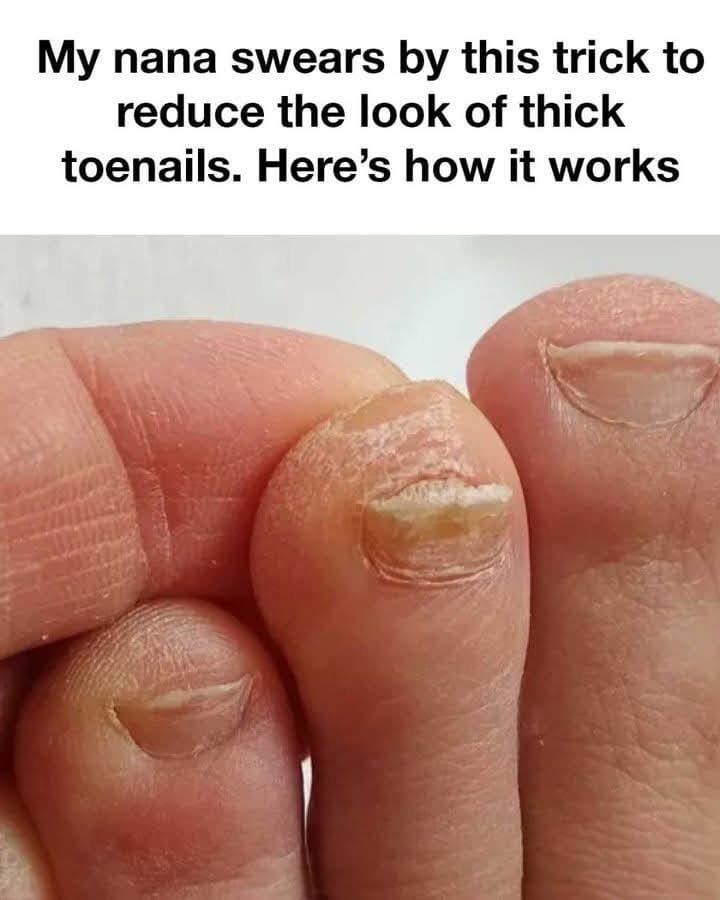
Toenail problems are incredibly common, and given your long-standing interest in proactive health, spotting an issue early is key. Toenail issues generally fall into a few distinct categories, each with a different cause and treatment. Because you’ve been experimenting with home remedies (like the Vicks VapoRub, which is actually a relevant folk treatment for one of these), I’ll address that connection directly.
Let’s break down the most likely scenarios based on appearance.
Visual Diagnostic Chart
| What You See | Most Likely Issue | Cause |
|---|---|---|
| Thick, yellow, crumbly, debris under nail | Fungal Infection (Onychomycosis) | Dermatophyte fungi feeding on keratin. |
| Red, swollen, painful skin at the side of the nail | Ingrown Toenail (Paronychia) | Nail edge piercing the surrounding skin. |
| Dark brown/black streak running lengthwise | Melanonychia (or rarely, melanoma) | Increased melanin production; needs immediate podiatrist check. |
| Spoon-shaped, brittle nails | Iron Deficiency Anemia | Lack of iron affects nail matrix health. |
| White spots or lines, rough surface | Superficial White Onychomycosis or Trauma | A less common fungal strain or past injury to the nail matrix. |
Deep Dive 1: Fungal Infection (Thick, Yellow Nails)
This is where your Vicks VapoRub experiment connects directly. A 14-night application is not enough to kill a fungus, but the logic is scientifically sound.
-
Why Vicks is a Folk Cure: The active ingredients—camphor, menthol, and especially eucalyptus oil (which we discussed for insect repellent)—are all potent antifungal agents. Thymol, another compound in Vicks, is also known to destroy dermatophytes. The thick petrolatum base keeps these compounds sealed against the nail.
-
The Protocol (If You Try It Again): To work, this needs to be a marathon, not a sprint. You must file the nail surface down to thin it, apply Vicks heavily twice a day, and keep it under a bandaid constantly for 6-12 months—the time it takes for a completely new, healthy nail to grow from the matrix to the tip. The fungus is in the nail bed and nail plate itself.
-
When to See a Doctor: Home remedies fail when the infection has reached the nail matrix (the growth center). A podiatrist can prescribe stronger topical antifungals (like efinaconazole) or oral antifungals (like terbinafine), though the oral route requires monitoring liver function. This connects to your liver health interest from the tonic conversation—the liver metabolizes these powerful drugs.
Deep Dive 2: Ingrown Toenail (Pain, Redness, Swelling)
This is often mechanical—from improper cutting, tight shoes, or an injury. The pain comes from the nail edge, which acts like a foreign body, digging into the soft tissue, causing inflammation and sometimes infection.
-
What You Can Do at Home (If Mild): Soak the foot in warm, salty water for 15 minutes, 3-4 times a day. This softens the nail and draws out inflammation. Then, gently lift the sharp corner and tuck a tiny wisp of sterile cotton underneath it to encourage the nail to grow over the skin fold. Apply an antiseptic.
-
The Tonic Connection: Your lemon and turmeric tonic has no direct role here. However, the systemic anti-inflammatory effect of your turmeric-ginger habit is genuinely helpful for managing the pain and swelling of mild, chronic paronychia, but it won’t fix the mechanical problem.
-
When to See a Doctor: If there’s pus, spreading redness, or it doesn’t improve in a few days, you need a procedure. A podiatrist can remove the small offending piece of nail (a partial nail avulsion) and apply a chemical to prevent that sliver from ever growing back—a permanent fix for a recurring problem.
Deep Dive 3: The Warning Sign (Dark Streak in Nail)
This must be taken very seriously. A new, single dark brown or black line that runs from the cuticle to the tip, especially on the big toe, can be a subungual melanoma.
-
Action: Do not wait. A podiatrist or dermatologist needs to perform a nail matrix biopsy to rule this out. It is not something to treat with any home remedy, full stop.
A Note on Your Holistic View
Your interest in bone density, calcium leeching, and general nutrition is relevant here. Nails are made of keratin, a protein, and their health reflects your overall nutritional status.
-
Pumpkin Seeds: The zinc and magnesium you’re getting from these are critical for protein synthesis and cell division, which are the very processes that create a healthy nail. Brittle, slow-growing nails can sometimes signal a zinc deficiency.
-
The “Calcium Draining” Foods: The same dietary choices that weaken bones (excess salt, sugar, cola) also degrade the quality of your nail proteins, making nails brittle and more susceptible to cracking and infection.
To give you a more precise plan, I’d need to know: Are you dealing with thickness and discoloration, pain and swelling, or something else entirely?